Do Ultrasonic Cleaners Work for Glasses?
Author: gute
Date: 2026-08-31
Read: 9 min
Yes, ultrasonic cleaners work effectively for glasses when used correctly. By generating high-frequency sound waves, an ultrasonic cleaner for glasses creates millions of tiny bubbles that remove dirt and residue from areas that are difficult to reach with traditional wiping.
In this guide, we will explain how ultrasonic glasses cleaners work, what they can remove, whether they are safe for different lenses, and how to choose the right model for daily eyewear cleaning.
How Does an Ultrasonic Cleaner Work for Glasses?
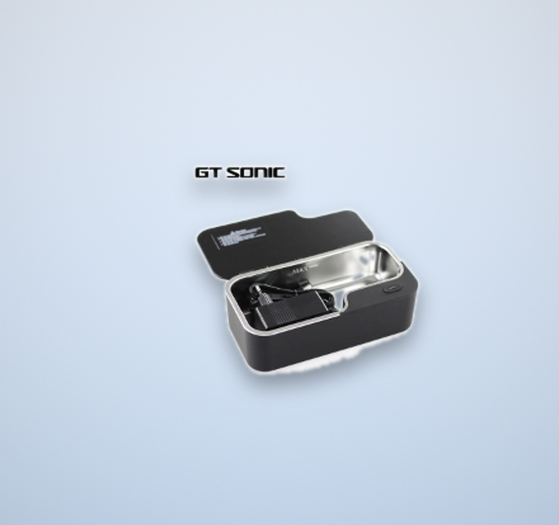
An ultrasonic glasses cleaner works by sending high-frequency sound waves through water to create tiny cavitation bubbles. As these bubbles rapidly expand and collapse, they produce a gentle cleaning effect that helps loosen oil, dust and other residues attached to the surface of glasses.
Compared with manual wiping, ultrasonic cleaning can reach areas that are difficult to access with a cloth, including nose pads, hinges, screws and the small gaps between the lenses and frames. These areas often collect sweat, skin oil and fine particles over time, making them harder to clean through everyday methods.
By using water as a medium to transfer ultrasonic energy around the glasses, an ultrasonic cleaner for eyeglasses helps remove hidden buildup while reducing the need for repeated rubbing. This makes it a practical option for maintaining cleaner lenses and frames, especially when deeper cleaning is needed.
What Can an Ultrasonic Glasses Cleaner Remove?
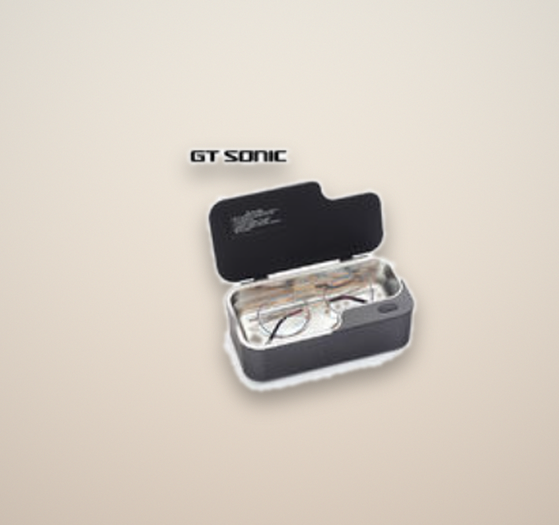
A quality ultrasonic glasses cleaner can remove various types of buildup that accumulate on glasses over time. By using ultrasonic energy in water, it helps clean not only the visible lens surface but also areas where dirt and residue are easily trapped, such as frame edges and small gaps.
1.Fingerprints and Skin Oil
Daily use exposes glasses to fingerprints, facial oils and sweat, which can gradually form a thin layer on lenses and frames. These residues are often the main cause of smudges and reduced clarity. Ultrasonic cleaning helps break down oily deposits and lifts them away without the need for repeated wiping.
2.Dust and Fine Particles
Fine dust particles can settle around lens edges, hinges, nose pads and other small areas that are difficult to reach with a microfiber cloth. Although these particles may seem minor, they can affect cleanliness and wearing comfort. An ultrasonic glasses cleaner helps remove this hidden dirt by allowing the cleaning process to reach deeper into these narrow spaces.
3.Makeup, Grease and Daily Residue
Glasses worn throughout the day may also collect traces of cosmetics, sunscreen, sweat and environmental pollutants. These residues can accumulate around frame connections and other small structures where ordinary cleaning may leave traces behind. An ultrasonic cleaner for glasses offers a deeper cleaning method to remove daily buildup and keep eyewear cleaner for longer.
Are Ultrasonic Cleaners Safe for Glasses?
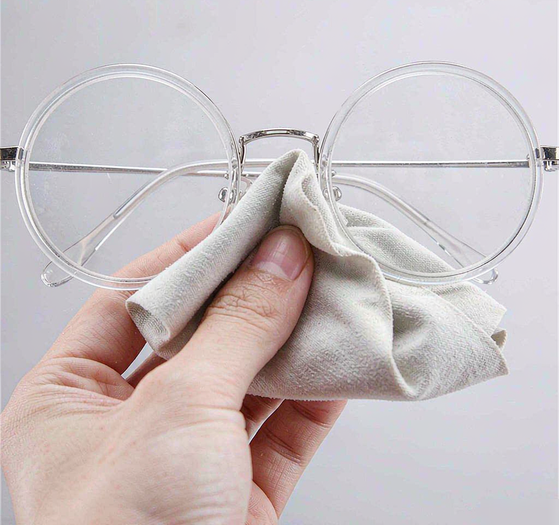
Yes, ultrasonic cleaners are generally safe for most modern glasses when used properly. Unlike manual wiping, ultrasonic cleaning uses water and sound waves rather than direct friction, making it effective for removing oil, dust and residue from lenses, frames and small areas that are difficult to reach with a cloth.
That said, not all glasses are in the same condition. Extra caution is needed for eyewear with damaged coatings, cracked lenses, loose frame parts or signs of aging. In these situations, the condition of the glasses itself may affect the cleaning result more than the ultrasonic process.
To achieve safe and effective cleaning, users should choose an appropriate cleaning cycle and follow the recommended usage instructions. When applied correctly, an ultrasonic cleaner for glasses can provide a deeper clean while helping maintain the appearance and comfort of everyday eyewear.
Can Ultrasonic Cleaners Damage Coated or Special Lenses?
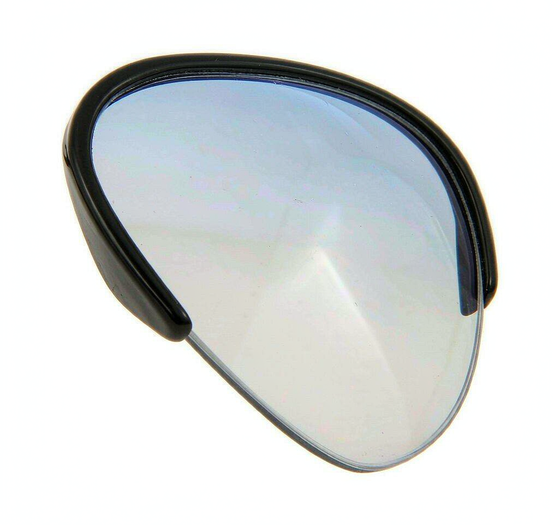
Whether ultrasonic cleaning is suitable for coated or specialty lenses depends mainly on the condition of the lenses and the type of coating applied. For glasses that are in good condition, ultrasonic cleaning can help remove surface buildup without affecting normal lens performance.
However, lenses with worn, peeling or damaged coatings may require more careful handling. This is especially important for eyewear with anti-reflective, polarized or photochromic features, as existing coating issues can become more visible after cleaning. Before using an ultrasonic glasses cleaner, it is best to check the lens manufacturer’s recommendations and ensure the glasses are suitable for ultrasonic cleaning.
With the right cleaning settings and proper usage, an ultrasonic cleaner for glasses can provide effective cleaning while helping protect the original condition of the lenses.
Ultrasonic Cleaner vs Traditional Glasses Cleaning: Which Works Better?
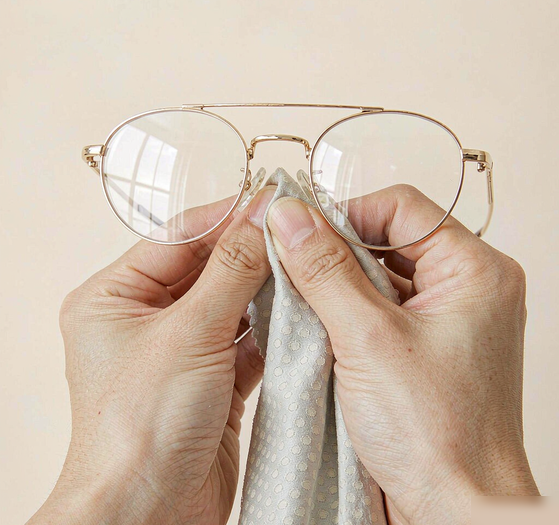
| Cleaning Aspect | Ultrasonic Cleaner | Microfiber Cloth |
|---|
| Fingerprints on lens surface | Effective | Effective |
| Oil and residue removal | More thorough | Limited for stubborn buildup |
| Nose pads and frame joints | Cleans hard-to-reach areas | Difficult to reach |
| Lens and frame gaps | Reaches narrow spaces | Cannot clean deeply |
| Daily maintenance | Suitable | More convenient |
| Deep cleaning needs | Better choice | Limited |
How to Use an Ultrasonic Cleaner for Eyeglasses Correctly?
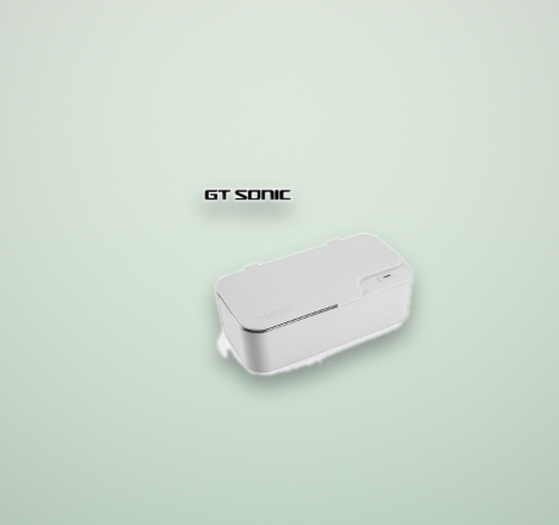
Using an ultrasonic cleaner for eyeglasses is simple, but the right operation method can make a noticeable difference in cleaning results. Proper water level, placement and cycle settings help the cleaner work effectively while keeping the glasses in good condition.
1.Fill the Tank with Clean Water
Start by adding fresh water to the cleaning tank according to the machine’s recommended level. Clean water allows ultrasonic waves to work more efficiently, while regularly replacing the water helps avoid residue buildup from previous cleaning cycles. If you use a cleaning solution, make sure it is suitable for both the machine and eyewear.
2.Place Glasses Correctly
Position the glasses in the tank so that the lenses and frames are fully surrounded by water. Avoid placing too many items together, as crowded placement may affect how evenly ultrasonic energy reaches each surface. Proper positioning allows areas such as nose pads, hinges and frame edges to receive better cleaning coverage.
3.Select Suitable Cleaning Time
For regular glasses maintenance, a short cleaning cycle is usually enough to remove everyday residue. The required time may vary depending on how dirty the glasses are, the power of the ultrasonic glasses cleaner and how often cleaning is performed. Following the recommended cycle prevents unnecessary cleaning time while maintaining good results.
4.Rinse and Dry After Cleaning
Once the cycle is complete, remove the glasses and rinse them if any loosened residue remains on the surface. Use a clean microfiber cloth to dry the lenses and frames, helping prevent water marks and leaving the glasses ready for daily use.
What Frequency Is Best for Cleaning Glasses?

A 40kHz ultrasonic cleaner is a common choice for cleaning eyeglasses because it offers a balanced cleaning effect for delicate items. It produces sufficient cavitation to loosen oil, dust and daily residue while maintaining a cleaning intensity suitable for lenses and frames.
Different frequencies create different cleaning characteristics. Lower frequencies provide stronger cleaning force, while higher frequencies are generally used for more precise and gentle applications. For an ultrasonic cleaner for glasses, 40kHz provides a practical balance between cleaning efficiency and eyewear protection.
How to Choose the Best Ultrasonic Glasses Cleaner?
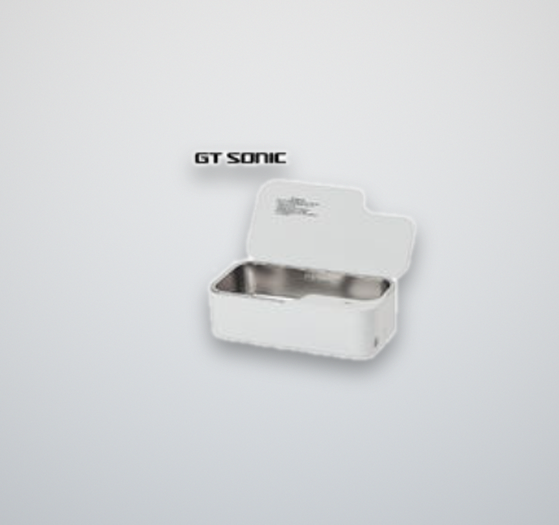
Choosing an ultrasonic glasses cleaner is not only about cleaning power. The most suitable model depends on what you usually clean, how often you use it and the features that match your daily needs. Factors such as ultrasonic frequency, tank size, control functions and machine construction can all affect the overall cleaning experience.
1.Consider the Ultrasonic Frequency
The ultrasonic frequency determines the characteristics of the cavitation process inside the tank. For eyeglasses and other delicate items, a 40kHz ultrasonic cleaner is commonly selected because it provides a balanced cleaning effect. It is widely used for removing oil, dust and residue from glasses while remaining suitable for items such as jewelry, watches and small accessories.
2.Select the Right Tank Capacity
Tank capacity should be considered based on the size and number of items you plan to clean. A compact model is usually enough for personal eyewear and small accessories, while a larger tank offers more room when cleaning multiple pairs of glasses or combining glasses cleaning with other items. An appropriately sized tank also helps avoid placing items too close together during cleaning.
3.Check the Available Cleaning Functions
Different ultrasonic cleaners come with different operating features. Models with adjustable timers allow users to choose cleaning durations based on the condition of the items, while functions such as automatic shut-off can make operation more straightforward. For regular household use, simple and practical controls are often more important than unnecessary settings.
4.Pay Attention to Materials and Internal Design
The construction of the cleaner also affects its suitability for long-term use. A stainless steel tank is commonly used in ultrasonic cleaning equipment because it is durable and easy to maintain. In addition, stable ultrasonic components and well-designed internal structures help maintain consistent operation during repeated cleaning cycles.
Conclusion
For everyday eyewear cleaning, choosing the right ultrasonic glasses cleaner with suitable frequency, capacity and operating features can make the cleaning process more convenient and consistent while helping maintain the condition of your glasses.
FAQs
Do ultrasonic cleaners really work for glasses?
Yes, ultrasonic cleaners work for glasses by using high-frequency sound waves to create cavitation bubbles in water. These bubbles help remove oil, dust and residue from lenses, frames, nose pads and other small areas that are difficult to clean with traditional wiping.
Can I use an ultrasonic cleaner for coated glasses?
Yes, most modern coated glasses can be cleaned with an ultrasonic cleaner if the lenses and coatings are in good condition. However, glasses with peeling, damaged or aging coatings may require extra caution, as ultrasonic cleaning cannot repair existing coating problems.
How long should I put glasses in an ultrasonic cleaner?
Most glasses only need a short ultrasonic cleaning cycle to remove everyday dirt and residue. The exact cleaning time depends on the machine model, ultrasonic power and the condition of the glasses, so following the manufacturer’s recommended settings is the best approach.
What frequency is best for an ultrasonic glasses cleaner?
A 40kHz ultrasonic cleaner is commonly used for glasses because it provides a balanced cleaning effect for delicate items. This frequency generates suitable cavitation to remove oil and residue while maintaining a cleaning intensity appropriate for lenses and frames.
Can ultrasonic cleaners remove scratches from glasses?
No, ultrasonic cleaners cannot remove scratches from glasses. Ultrasonic cleaning is designed to remove surface contaminants such as oil, dust and residue, but scratches, coating damage and physical defects require lens replacement or professional repair.
Can I clean sunglasses with an ultrasonic cleaner?
Yes, many sunglasses can be cleaned with an ultrasonic cleaner, but the lens type should be considered first. Sunglasses with polarized lenses, special coatings or other treatments should be checked according to the manufacturer’s cleaning recommendations.
What liquid should I use in an ultrasonic glasses cleaner?
Clean water is the most common liquid used in household ultrasonic glasses cleaners. Some models can work with specific ultrasonic cleaning solutions, but the liquid should always be compatible with the machine and suitable for eyewear materials.


