What Can You Clean in a Dental Ultrasonic Cleaner--Retainers, Dentures, Mouth Guards & Aligners
Author: Zoey
Date: 2026-03-12
Read: 5min
Summary
A Dental Ultrasonic Cleaner is designed to remove debris, plaque buildup, and surface residue from oral appliances through high-frequency vibration in water or a suitable cleaning solution. For daily home care, it can be a practical tool for cleaning retainers, dentures, mouth guards, and clear aligners more thoroughly than rinsing alone. However, not every dental item should be cleaned the same way, and safe use depends on the material, the cleaning cycle, and the solution inside the device. This guide explains what a dental ultrasonic cleaner does, which appliances are usually suitable for ultrasonic cleaning, how to use a unit like the GT-M4 safely at home, and what should never go into the tank. It also includes a quick-reference table to help users choose the right cleaning approach.
Table of Contents
-What Is a Dental Ultrasonic Cleaner and How Does It Work?
-Can You Clean Retainers, Dentures, Mouth Guards, and Aligners in One Ultrasonic Cleaner?
-How to Use a Dental Ultrasonic Cleaner Safely at Home
-What Not to Put in a Dental Ultrasonic Cleaner
-Dental Ultrasonic Cleaner Comparison Table
-Why More Users Choose a Home Dental Pod Like GT-M4
-Frequently Asked Questions
-Conclusion
What Is a Dental Ultrasonic Cleaner and How Does It Work?
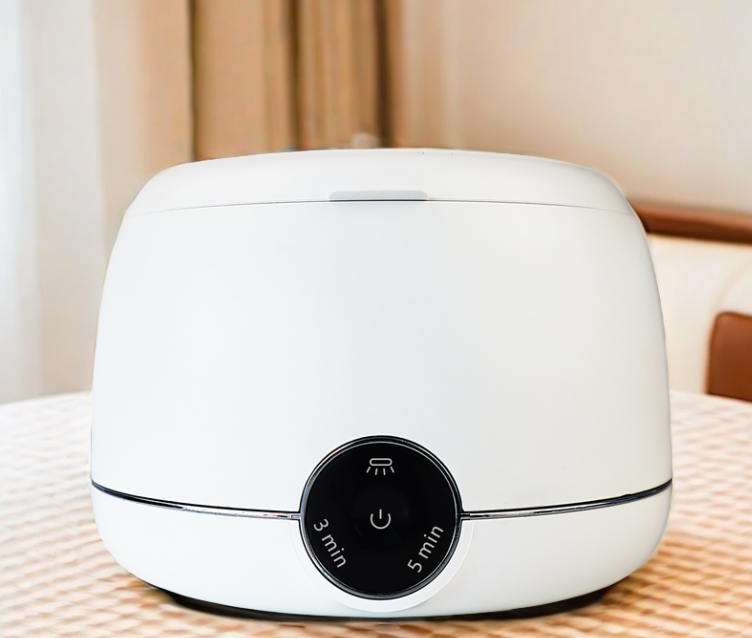
A Dental Ultrasonic Cleaner is a compact cleaning device that uses ultrasonic waves to create rapid microscopic bubbles in liquid. This process, often called cavitation, helps loosen particles from the surface of dental appliances and from small crevices that are harder to clean with a brush alone.
For home users, this means a dental ultrasonic cleaner can help reduce buildup on items that spend hours in the mouth every day. Saliva, plaque, food residue, and stains can collect on appliances quickly, especially on retainers, dentures, and mouth guards. Manual brushing helps, but it may not always reach grooves, textured surfaces, or inner contours.
The cleaning mechanism is gentle in appearance but highly effective when used correctly. A unit such as the GT-M4 is intended to support routine hygiene by combining water-based ultrasonic cleaning with user-friendly operation. In many home-care routines, it serves as a practical alternative to aggressive scrubbing, which can wear down some materials over time.
Here is a quick visual breakdown:
|
Cleaning Method
|
How It Works
|
Best For
|
Limitation
|
|
Rinsing with water
|
Removes loose debris
|
Daily quick rinse
|
Does not remove deeper buildup
|
|
Brushing by hand
|
Physically scrubs surface
|
Visible residue
|
May miss small crevices
|
|
Soaking tablets
|
Helps dissolve deposits
|
Dentures and some retainers
|
Needs extra soaking time
|
|
Dental Ultrasonic Cleaner
|
Uses ultrasonic vibration in liquid
|
Retainers, dentures, mouth guards, aligners
|
Must be used with correct settings and materials
|
The main advantage is not just convenience. It is consistency. A user who follows a regular cleaning cycle is more likely to keep oral appliances fresher, clearer, and more comfortable to wear.
Can You Clean Retainers, Dentures, Mouth Guards, and Aligners in One Ultrasonic Cleaner?
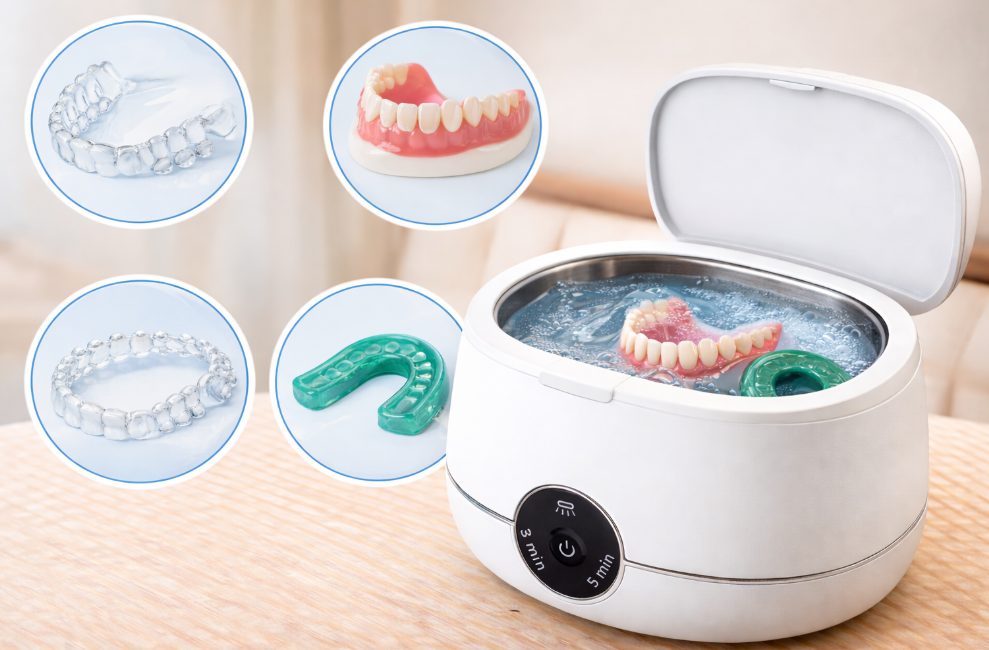
In many cases, yes. A single ultrasonic cleaner for dentures and other oral appliances can be used for several types of dental items, provided the device is used properly and each item is cleaned according to its material and manufacturer guidance.
That said, “one cleaner for all” does not mean “one method for all.” Different appliances require slightly different handling.
Retainers
Retainers are among the most common items cleaned in a Dental Ultrasonic Cleaner. Both clear retainers and Hawley-style retainers can collect plaque, odor, and cloudy deposits over time.
Clear retainers especially benefit from non-abrasive cleaning. Scrubbing too hard with a toothbrush can create fine scratches, which may make the appliance look dull and give residue more places to cling to. Ultrasonic cleaning offers a gentler way to loosen buildup.
For removable retainers, a short cycle in clean water is often enough for routine maintenance. If a manufacturer-approved solution is used, results may be even better. After the cycle, rinse thoroughly and let the retainer air dry before storage.
Dentures
Dentures are another strong match for an ultrasonic cleaner for dentures. Full and partial dentures can trap food particles and biofilm around edges, grooves, and fitting surfaces. Because of their shape, these areas are not always easy to clean evenly by hand.
Ultrasonic cleaning can help lift residue without the force of hard brushing. This is especially useful for users who want a more convenient daily routine or who have reduced hand strength.
However, dentures should still be handled carefully. Users should avoid harsh chemicals unless they are specifically recommended for that denture material. After cleaning, always inspect for cracks, loose parts, or worn sections before wearing them again.
Mouth Guards
Sports mouth guards and night guards can usually be cleaned in a Dental Ultrasonic Cleaner as well. These appliances often develop odor and a cloudy film because they are worn for long periods and stored while still damp.
A short ultrasonic cycle can help remove residue from the inner channel and outer surface more evenly than rinsing alone. This makes the device useful for athletes, teeth grinders, and users with custom night guards.
For thicker guards, ultrasonic cleaning is a maintenance step, not a substitute for proper drying and storage. A guard that is put away wet will still develop odor over time, even if it is cleaned regularly.
Clear Aligners
Clear aligners are perhaps the most appearance-sensitive items in this category. Users want them clean, transparent, and free from odor, but they also want to avoid damage or warping.
A dental pod instructions routine often fits aligner users well: fill the tank, place the aligners inside, run a short cleaning cycle, rinse, and reinsert or store properly. Because aligners are thin and transparent, ultrasonic cleaning can be a smart alternative to abrasive brushing.
Still, temperature matters. Never use very hot water, as heat may affect the fit of clear aligners. Lukewarm or cool water is generally the safer choice for routine cleaning.
How to Use a Dental Ultrasonic Cleaner Safely at Home
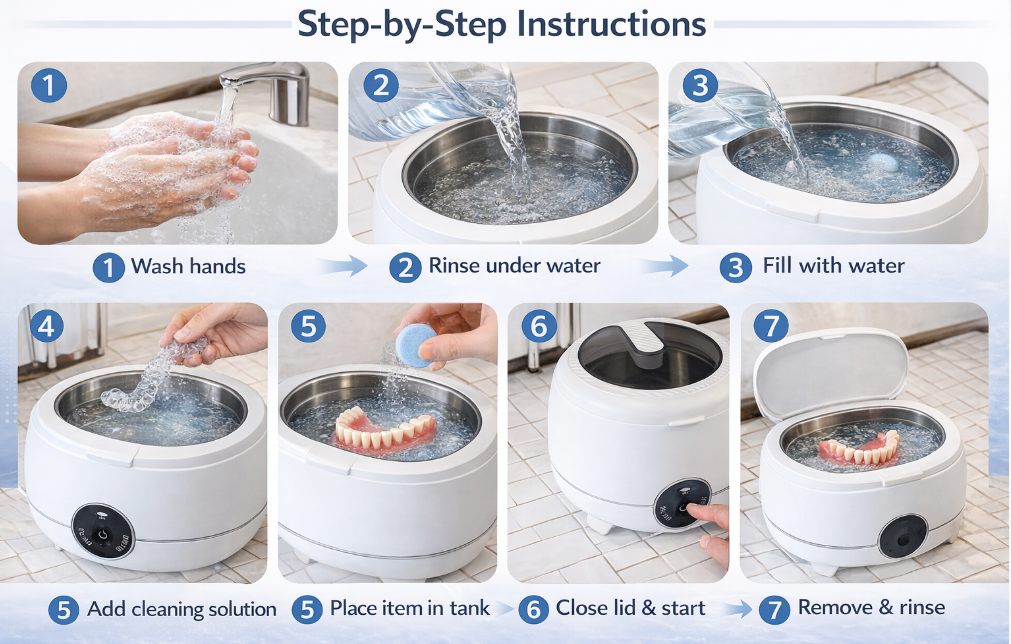
Safe daily use is what turns a cleaning device into a reliable long-term oral care tool. A home unit should be easy to operate, but users still need to follow correct steps.
Step-by-Step Instructions
Here is a simple how to use dental pod process suitable for most home users:
1.Wash your hands before handling the appliance.
2.Rinse the retainer, denture, mouth guard, or aligner under running water to remove loose debris.
3.Fill the ultrasonic cleaner tank with clean water, following the product’s fill line.
4.If allowed by the appliance manufacturer, add a compatible cleaning solution or tablet.
5.Place the dental item in the tank without forcing or bending it.
6.Close the lid and start the cleaning cycle.
7.Once finished, remove the item carefully and rinse it thoroughly with water.
8.Let it air dry on a clean surface or in a ventilated case before reuse.
These are the basic dental pod instructions most users can follow at home. If using a model such as GT-M4, always follow the product-specific cycle time and maintenance directions.
Best Practices for Better Results
For the best results from a Dental Ultrasonic Cleaner, keep these practical habits in mind:
1.Clean appliances regularly rather than waiting for visible buildup.
2.Use fresh water for each session.
3.Avoid overloading the tank with multiple items if space is limited.
4.Rinse thoroughly after any cleaning additive is used.
5.Keep the tank clean and dry between uses.
A simple routine is often more effective than occasional deep cleaning. Users who clean appliances daily or several times a week generally find it easier to keep them fresh and clear.
What Not to Put in a Dental Ultrasonic Cleaner
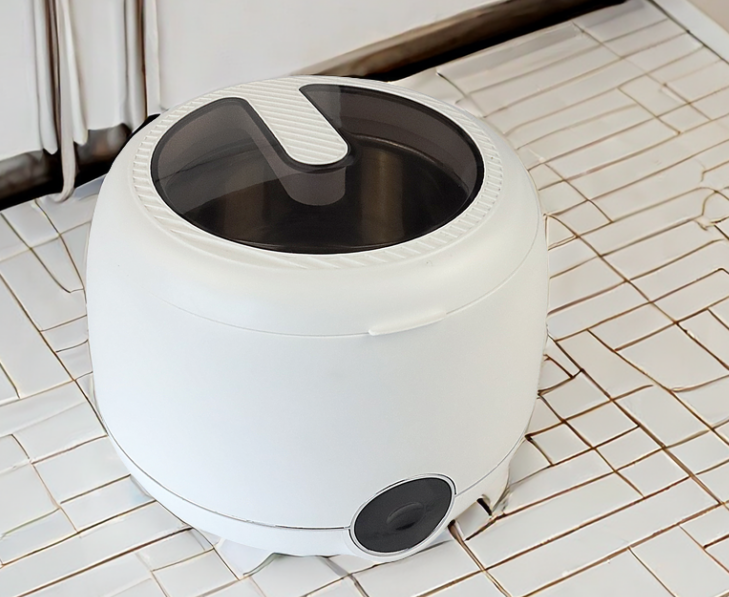
Even though a Dental Ultrasonic Cleaner is versatile, some items should not go into it, or should only be cleaned after confirming compatibility.
Avoid placing the following in the tank unless a manufacturer specifically says it is safe:
|
Do Not Clean or Use with Caution
|
Why
|
|
Fixed dental appliances still attached in the mouth
|
Ultrasonic cleaners are for removable items only
|
|
Appliances with electronics or batteries
|
Water and ultrasonic vibration may damage them
|
|
Items with loose glue, cracks, or fragile repairs
|
Cleaning may worsen existing damage
|
|
Very hot water
|
Can warp clear plastics and aligners
|
|
Bleach or harsh chemicals
|
May damage material and leave unsafe residue
|
|
Jewelry mixed with dental items
|
Cross-contamination and surface damage risk
|
This is where many users make mistakes. They assume stronger cleaning means better cleaning. In reality, good care depends on using the right water temperature, the right solution, and the right cycle length.
If an appliance looks damaged, stop using the cleaner until you confirm it is still safe to wear.
Dental Ultrasonic Cleaner Comparison Table
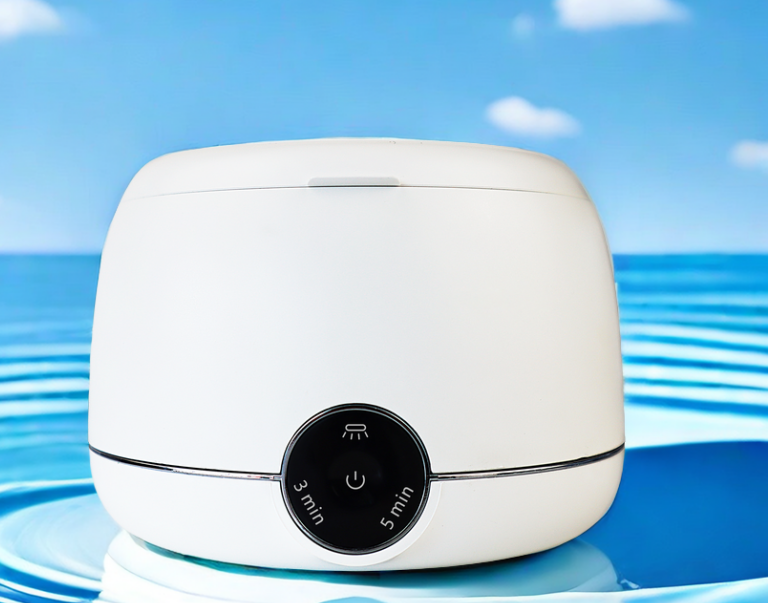
The table below helps match common oral appliances with cleaning guidance.
|
Appliance
|
Can It Be Cleaned in a Dental Ultrasonic Cleaner?
|
Recommended Frequency
|
Key Safety Note
|
|
Clear retainer
|
Yes
|
Daily or several times weekly
|
Avoid hot water
|
|
Hawley retainer
|
Usually yes
|
Several times weekly
|
Check metal and acrylic condition
|
|
Full dentures
|
Yes
|
Daily
|
Rinse well after cleaning
|
|
Partial dentures
|
Usually yes
|
Daily or several times weekly
|
Inspect clasps and joints
|
|
Sports mouth guard
|
Yes
|
After use or several times weekly
|
Dry completely after cleaning
|
|
Night guard
|
Yes
|
Daily or several times weekly
|
Avoid harsh chemicals
|
|
Clear aligners
|
Yes
|
Daily
|
Use gentle cycles and cool or lukewarm water
|
Why More Users Choose a Home Dental Pod Like GT-M4
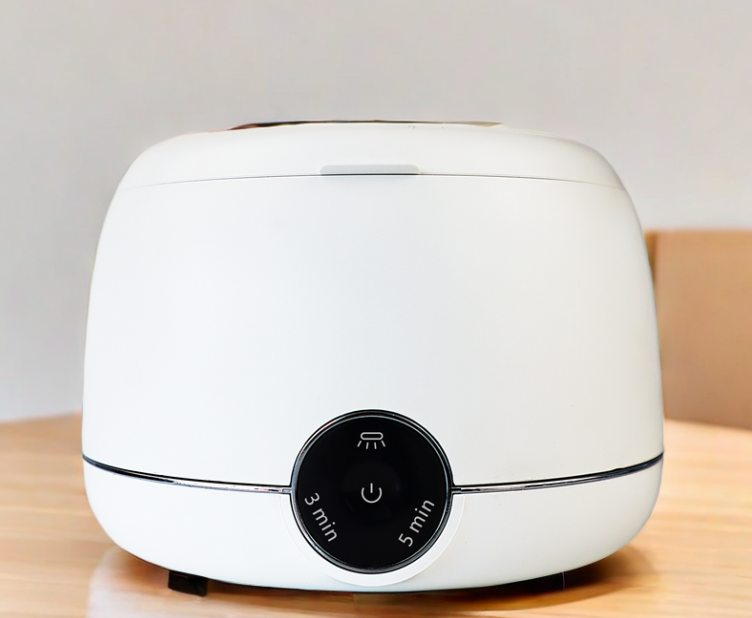
A growing number of consumers want a compact, simple, and modern cleaning solution for oral appliances. That is one reason home ultrasonic units such as GT-M4 are gaining attention.
The appeal is easy to understand. A product like GT-M4 fits into a daily home-care routine without taking up much space. It supports regular cleaning for multiple removable dental appliances while offering a cleaner, more convenient alternative to brushing alone.
For users comparing options, the decision often comes down to four factors:
1.ease of use
2.cleaning consistency
3.appliance compatibility
4.size for home storage or travel
A well-designed Dental Ultrasonic Cleaner can support all four. For users with retainers, dentures, or aligners, this kind of device can become part of a repeatable care habit that is both practical and hygienic.
Frequently Asked Questions
Can I clean retainers and dentures in the same machine?
Yes, a single ultrasonic cleaner for dentures and retainers can usually handle both, but each item should be cleaned separately or with proper hygiene precautions. Rinse the tank between uses.
How often should I use a dental ultrasonic cleaner?
For many removable oral appliances, daily use or several times per week works well. The right schedule depends on how often the item is worn and how much buildup it collects.
Is ultrasonic cleaning better than brushing?
It is not always a replacement for brushing, but it can be more effective at reaching small crevices and removing residue gently. Many users combine both methods.
Where can I learn how to use dental pod devices properly?
The safest approach is to follow the manufacturer’s how to use dental pod guide and product-specific dental pod instructions, especially for cycle time, water level, and approved cleaning agents.


