How Long do Glasses Stay in an Ultrasonic Cleaner?
Author: gute
Date: 2026-08-31
Read: 7 min
This guide explains the recommended ultrasonic cleaning time for glasses, what affects cycle length, when to repeat a cycle and how to avoid leaving eyewear in the cleaner longer than necessary.
How Long Should Glasses Stay in an Ultrasonic Cleaner?
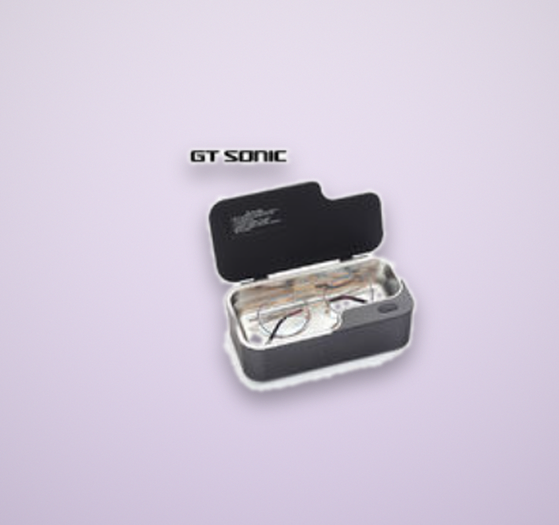
For routine cleaning, most glasses only need a short cycle in an ultrasonic cleaner for glasses. Light fingerprints and surface oil often come off quickly, while buildup around nose pads, hinges and frame joints may need a little more time.
There is no single cleaning time that fits every machine. Some ultrasonic cleaners use preset cycles of 90 seconds or 3 minutes, while others run closer to 5 minutes. The best starting point is the cycle recommended for eyewear rather than simply choosing the longest setting.
How dirty the glasses are also makes a difference. Eyewear cleaned regularly usually needs less time than glasses with heavier sweat, oil or residue that has built up over a longer period.
| Glasses Condition | Recommended Approach |
|---|
| Light fingerprints or surface oil | Start with a short cleaning cycle |
| Normal everyday buildup | Use the standard eyeglass cycle |
| Residue around hinges or nose pads | Inspect after one complete cycle |
| Still dirty after cleaning | Reposition and repeat a short cycle if needed |
| Damaged or aging eyewear | Check condition before ultrasonic cleaning |
What Affects Ultrasonic Cleaning Time for Glasses?
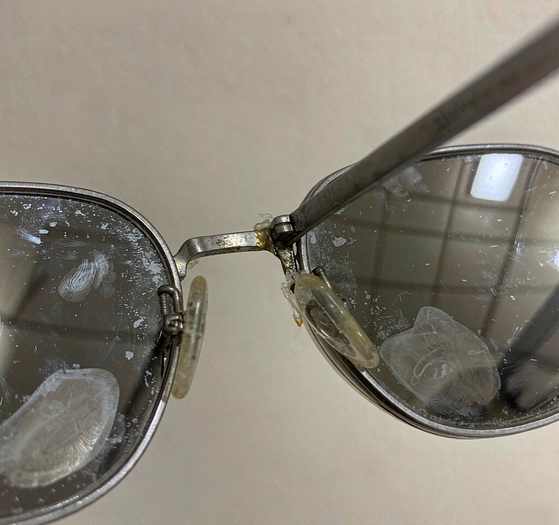
The right ultrasonic cleaning time for glasses varies from one situation to another. What matters is not only how dirty the glasses look, but also what kind of residue is present, how well the eyewear has aged and how the cleaner delivers ultrasonic energy during the cycle.
1.Amount and Type of Buildup
Light fingerprints and fresh skin oil usually come away more quickly than residue that has settled around nose pads, hinges or frame edges. Sweat, cosmetics and fine dust can also mix into a more stubborn film over time, especially on glasses worn outdoors or for long periods.
When buildup is concentrated in small joints, longer cleaning is not always the best answer. Fresh water, better positioning or a second short cycle may work more effectively than leaving the glasses in the tank continuously.
2.Condition of the Lenses and Frames
Eyewear condition can change how much cleaning is appropriate. Older frames may have loose screws, weakened joints or worn surface finishes, while lenses may already show coating deterioration, haze or scratches.
These issues are easy to mistake for dirt. If a mark remains after a normal cycle, it is worth checking whether it is actually removable residue before increasing the cleaning time. Ultrasonic cleaning can remove contamination, but it cannot correct material wear or damaged coatings.
3.Ultrasonic Frequency, Power and Timer Settings
The same cleaning time can produce different results on different machines. Frequency affects the cavitation pattern in the tank, while power influences how strongly that cleaning action is delivered. Tank size and preset programs also affect how the glasses are exposed during each cycle.
Many household eyewear cleaners operate around 40kHz, but frequency alone does not tell the whole story. A three-minute cycle on a compact low-power unit is not necessarily comparable to three minutes on a larger or more powerful cleaner. The timer should therefore be read together with the machine’s operating specifications rather than treated as a universal standard.
Is One Long Cycle or Two Short Cycles Better for an Ultrasonic Glasses Cleaner?
When the first cleaning cycle leaves some residue behind, it is usually better to pause and assess the result before continuing. A second short cycle gives you a chance to refresh the water, reposition the glasses and focus on areas that may not have cleaned evenly the first time.
This matters because cleaning performance is not controlled by time alone. Residue trapped around hinges, nose pads or frame joints may respond better to improved positioning or fresh cleaning liquid than to a longer uninterrupted cycle.
If a mark remains unchanged after a normal cycle, check whether it is actually removable buildup. Scratches, coating haze and permanent discoloration are not cleaning issues, so keeping the glasses in the tank longer will not correct them.
What Happens If Glasses Stay in an Ultrasonic Cleaner Too Long?
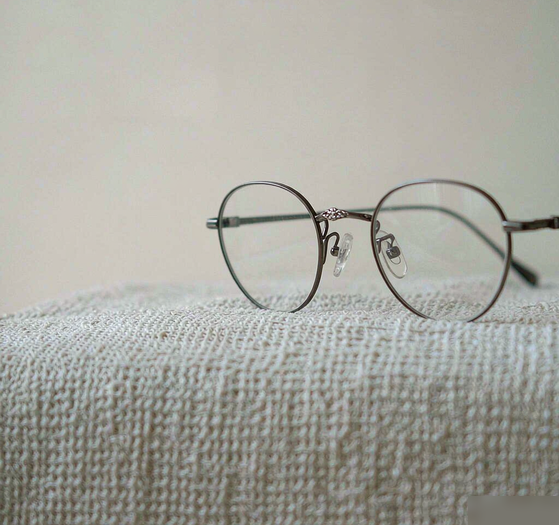
Once the removable buildup has been loosened, extending the cycle usually brings diminishing returns. The glasses may remain in the tank longer without becoming noticeably cleaner, especially when the remaining marks are caused by wear rather than residue.
The greater concern is with eyewear that has delicate or aging components. Repeated or prolonged exposure can be less suitable for loose fittings, decorative attachments, weakened frame joints or lenses with existing coating damage. In these cases, extra time adds more exposure without solving the underlying issue.
How Long Should Coated Glasses Stay in an Ultrasonic Cleaner?
For coated glasses, 1–3 minutes is a sensible starting range when the lens coating is intact and ultrasonic cleaning is permitted by the eyewear manufacturer. If the machine has a preset eyeglass program, use that cycle instead of increasing the time manually.
If haze, peeling or uneven reflections remain after cleaning, the problem may be related to coating wear rather than dirt. In that case, a longer cycle is unlikely to change the result.
Because anti-reflective, polarized and photochromic lenses are made differently, any care limits provided by the lens manufacturer should take priority over a general timing range.
How Do Preset Timer Settings Affect Ultrasonic Glasses Cleaning Time?
Preset timers mainly control how long ultrasonic energy is applied during each cycle, but the available settings can vary a lot between machines. Some household cleaners offer fixed programs such as 90 seconds, 180 seconds or 300 seconds, while others use a single automatic cycle. For glasses, the useful setting is not simply the shortest or longest option, but the one intended for light, delicate items or everyday cleaning.
Timer length should also be considered together with the cleaner’s power and tank design. A three-minute cycle on one machine may not deliver the same cleaning intensity as three minutes on another. If the manufacturer provides a specific eyewear program, that setting is usually more meaningful than comparing cycle times by minutes alone.
How Often Should You Use an Ultrasonic Cleaner for Glasses?
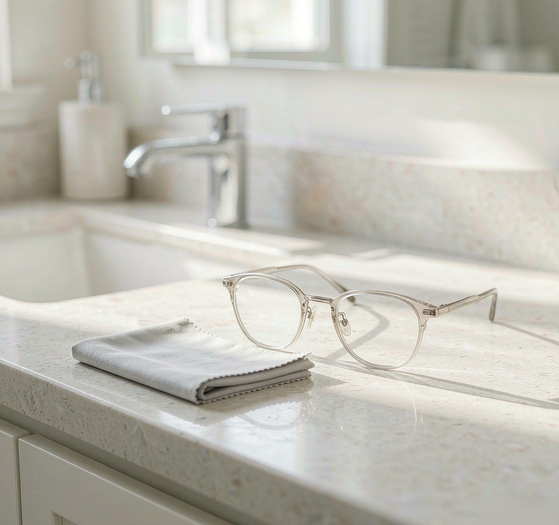
How often glasses need ultrasonic cleaning depends on wear habits rather than a fixed timetable. Daily-use eyewear exposed to skin oil, sweat, cosmetics or dusty environments may need a more thorough clean sooner, while occasionally worn glasses can usually go longer between cycles.
FAQs About Ultrasonic Cleaning Time for Glasses
1.How many minutes should glasses stay in an ultrasonic cleaner?
Most glasses only need about 1–3 minutes in an ultrasonic cleaner for light everyday buildup. Some machines use preset cycles closer to 3–5 minutes, so the recommended program for that specific cleaner should be followed.
2.Is 3 minutes enough to clean glasses in an ultrasonic cleaner?
Yes, 3 minutes is often enough for routine glasses cleaning, especially when the residue is limited to fingerprints, skin oil and light dust. Heavier buildup around hinges or nose pads may require another normal cycle rather than one excessively long run.
3.Is 5 minutes too long for glasses in an ultrasonic cleaner?
Not necessarily. A 5-minute cycle can be suitable if it falls within the machine manufacturer’s recommended settings for eyewear. However, extending the cycle beyond what is needed will not automatically produce a better result.
4.Can I run an ultrasonic glasses cleaner twice?
Yes, a second short cycle can be used if visible dirt remains after the first one. Before restarting, check the glasses and make sure the remaining marks are removable residue rather than scratches, coating wear or permanent discoloration.
5.Do very dirty glasses need a longer ultrasonic cleaning cycle?
Very dirty glasses may need a full standard cycle or a second short cycle, but longer cleaning time is not always the answer. Old grease, trapped debris, water quality and the position of the glasses inside the tank can also affect the result.
6.How long should coated glasses stay in an ultrasonic cleaner?
For coated glasses, 1–3 minutes is a practical starting range when ultrasonic cleaning is permitted and the coating is in good condition. Any specific cleaning limits provided by the eyewear manufacturer should take priority.
7.Should I use the longest timer setting for glasses?
No, the longest timer setting is not automatically better for glasses. Use the preset eyeglass or delicate-item cycle first, then inspect the result before deciding whether another cleaning cycle is needed.
Conclusion
For most glasses, 1–3 minutes is a practical starting range, while some ultrasonic cleaners use preset cycles closer to 3–5 minutes. The right cleaning time depends on the machine, the amount of residue and the condition of the lenses and frames.
If you are looking for an ultrasonic cleaner for glasses for home, retail or professional use, GTSonic offers a range of ultrasonic cleaning solutions with different tank capacities, timer settings and configurations. Contact GTSonic to find the right ultrasonic glasses cleaner for your application.


