banner

News Details

Events
Contact Us
GT SONIC
0086-75523356715
Contact Now

How Long Does Ultrasonic Cleaning Take:A Guide to 4-Cycle Portable Ultrasonic Cleaners

Author: Zoey Date: 2025-09-19 Read: 6min

Last updated on:2026-03-18

Quick Answer:

For most items, ultrasonic cleaning usually takes 1–10 minutes, depending on the item type, level of dirt, cleaning solution, machine power, and frequency.

Key Takeaways:

1.Most jewelry: 1–3 minutes

2.Retainers: 2–5 minutes

3.Glasses: 2–3 minutes

4.Heavy soil: 5–10 minutes

5.Actual time depends on solution, power, and frequency

Ultrasonic cleaning has become a popular method for cleaning delicate items like jewelry, eyeglasses, and dental retainers. This cleaning technique uses high-frequency sound waves to create tiny bubbles in a liquid cleaning solution, which then collapse, generating microscopic shockwaves that effectively clean items. But one question frequently asked by users is: How long does ultrasonic cleaning take, especially when using a 4-cycle timer portable ultrasonic cleaner?

In this article, we'll break down the ultrasonic cleaning process, explore factors that impact cleaning time, and recommend some of the best ultrasonic cleaners on the market today.

Table of Contents

What is a Ultrasonic cleaning cycle?

-What is the process of ultrasonic cleaning?

-How long is the cycle of ultrasonic cleaner?

-How Long Does Ultrasonic Cleaning Take?

Factors Affecting Ultrasonic Cleaning Time and Efficiency

-How cleaning solutions affect ultrasonic cleaning time?

-How power and frequency affect ultrasonic cleaning time?

Best ultrasonic cleaner with digital timer (2026 update)

-Quick Comparison of Digital Timer Ultrasonic Cleaners

-Creworks ultrasonic cleaner with heater and timer

-GTSONIC 4-cycle digital timer small ultrasonic cleaning machine

-Magnasonic professional ultrasonic jewelry cleaner with digital timer

What can you clean with an ultrasonic cleaner

-How to clean jewelry in an ultrasonic cleaner

-How to use ultrasonic cleaner for retainer

-How to clean glasses with ultrasonic cleaner

Five benefits of using timed ultrasonic cleaning

FAQ

What is an Ultrasonic Cleaning Cycle?
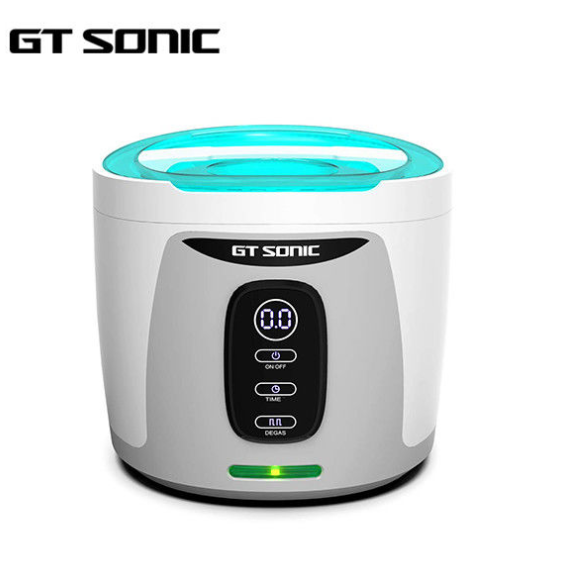
 

Before diving into cleaning times, it’s important to understand the concept of an ultrasonic cleaning cycle.

What is the Process of Ultrasonic Cleaning?

Ultrasonic cleaning involves the use of high-frequency sound waves to agitate a liquid solution. These sound waves produce microscopic bubbles in the liquid, which, when they collapse, create shockwaves that remove dirt, grease, and other contaminants from the surface of objects. It’s particularly effective for cleaning delicate or intricate items such as jewelry, small machine parts, and even medical instruments.

Ultrasonic cleaners typically use water or a specially formulated cleaning solution to enhance the cleaning process. The sound waves generated by the cleaner are usually in the range of 20 to 40 kHz, making them effective at dislodging contaminants that might otherwise be difficult to clean by hand.

How Long is the Cycle of an Ultrasonic Cleaner?

Ultrasonic cleaners come with varying cycle times depending on the model, size, and specific purpose. Most portable ultrasonic cleaners with a digital timer are equipped with a multi-cycle function. A typical 4-cycle ultrasonic cleaning machine might have the following cycle times:

1.Cycle 1: 1-2 minutes – Light cleaning for delicate items.

2.Cycle 2: 2-4 minutes – Moderate cleaning for general-purpose items.

3.Cycle 3: 5-7 minutes – Heavy-duty cleaning for items with more dirt or grease.

4.Cycle 4: 8-10 minutes – Deep cleaning for stubborn contaminants.

In total, the cleaning time for a 4-cycle ultrasonic cleaner can range from about 1 minute to 10 minutes, depending on the intensity of the cleaning required. Some items, such as jewelry, may only need a few minutes, while more complex items like medical equipment may need a full cycle.

How Long Does Ultrasonic Cleaning Take?

For most household items, ultrasonic cleaning usually takes between 1 and 10 minutes, depending on the type of item and the amount of dirt or residue.

The table below shows the typical ultrasonic cleaning time for different household items.

Item

Recommended Time

Notes

Jewelry

1–3 minutes

Suitable for most rings, earrings, and small metal jewelry with light daily dirt.

Retainers

2–5 minutes

Use an appropriate cleaning solution and avoid over-cleaning delicate materials.

Glasses

2–3 minutes

Best for frames and lenses with light buildup; check coating compatibility first.

Watch Straps

3–5 minutes

Suitable for metal watch bands; avoid parts that are not water-safe.

Small Metal Parts

5–10 minutes

Heavier soil may require a longer cycle or repeated cleaning.

Factors Affecting Ultrasonic Cleaning Time and Efficiency
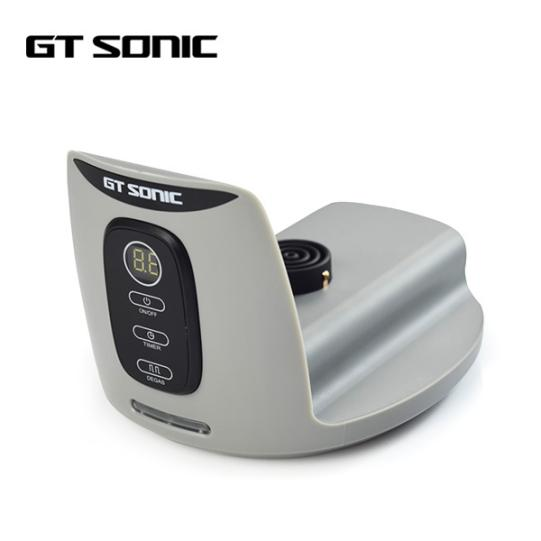
 

While the time on the digital timer gives a guideline, there are several other factors that affect how long the cleaning process will take.

How Cleaning Solutions Affect Ultrasonic Cleaning Time?

The type of cleaning solution you use can significantly impact the cleaning time. Solutions that are specifically designed for ultrasonic cleaning contain surfactants and other agents that enhance the cleaning process. These solutions can break down oils, grease, and other stubborn contaminants more effectively, thereby reducing the time needed for cleaning.

For example, when cleaning jewelry, an ultrasonic cleaner with a jewelry-safe solution may reduce the cleaning time because the solution helps loosen grime and dirt quickly. Conversely, a water-only solution may require a longer cycle to achieve the same results.

How Power and Frequency Affect Ultrasonic Cleaning Time?

Ultrasonic cleaners operate at various power levels and frequencies, both of which can affect cleaning time:

Power: The higher the power of an ultrasonic cleaner, the faster and more efficient the cleaning process. Powerful units can create larger and more forceful bubbles, which results in more thorough cleaning, potentially reducing the time needed for each cycle.

Frequency: The frequency of the ultrasonic sound waves plays a crucial role in determining cleaning efficiency. Lower frequencies (e.g., 20 kHz) are better suited for cleaning larger or more durable objects, while higher frequencies (e.g., 40 kHz or above) are better for more delicate items like jewelry. Higher frequencies usually take longer because they create smaller bubbles that clean more precisely, but with less force.

Best Ultrasonic Cleaners with Digital Timers (2026 update)

Looking for a portable ultrasonic cleaner with a digital timer? The models below are suitable for users who want more precise cleaning control for everyday items such as jewelry, glasses, retainers, and small accessories. When comparing different models, it is helpful to look at timer settings, frequency, tank size, heating function, and intended use.

 

If you're in the market for a portable ultrasonic cleaner with a digital timer, here are some of the best models available in 2026.

Quick Comparison of Digital Timer Ultrasonic Cleaners

The table below provides a simple comparison to help readers choose the right digital timer ultrasonic cleaner for different household cleaning needs.

Model

Key Feature

Suitable For

Timer Type

Extra Function

Model 1

Easy digital timer control

Jewelry, glasses, and daily household items

Preset digital timer

Compact and user-friendly design

Model 2

Multiple cleaning cycle options

Retainers, watch straps, and light metal parts

Multi-cycle digital timer

Suitable for more flexible cleaning needs

Model 3

Balanced cleaning performance for delicate items

Small accessories, jewelry, and regular home use

Digital timer with simple operation

Designed for convenient everyday cleaning

Creworks Ultrasonic Cleaner with Heater and Timer

The Creworks Ultrasonic Cleaner combines high-quality cleaning power with a built-in heater and a digital timer. With a frequency range of 40 kHz, this cleaner is suitable for a wide range of items, from watches and eyeglasses to dental tools. The integrated heater ensures that your cleaning solution stays at the optimal temperature for effective cleaning, and the timer lets you set specific cleaning cycles for maximum efficiency.

GTSONIC 4-Cycle Digital Timer Small Ultrasonic Cleaning Machine

GTSONIC’s 4-cycle digital timer model is compact, making it an excellent choice for smaller objects like jewelry and glasses. With four preset cycles, it’s easy to select the perfect time for various cleaning needs. Whether you’re cleaning everyday jewelry or delicate dental retainers, this model has you covered with a cycle range of 1 to 10 minutes.

Magnasonic Professional Ultrasonic Jewelry Cleaner with Digital Timer

For those who need an ultrasonic cleaner specifically for jewelry, the Magnasonic Professional Ultrasonic Jewelry Cleaner is a top choice. It comes with a 42 kHz frequency, which ensures delicate and thorough cleaning. The digital timer is adjustable from 1 to 8 minutes, making it suitable for a variety of jewelry pieces, including rings, necklaces, and watches.

What Can You Clean with an Ultrasonic Cleaner?
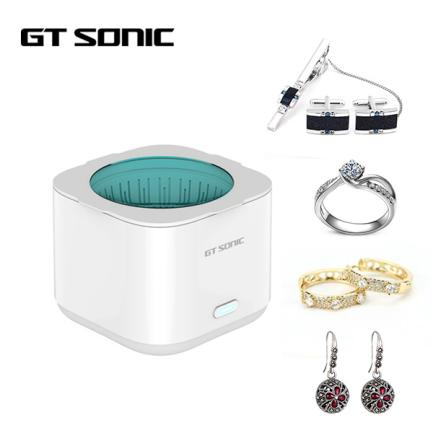
 

Ultrasonic cleaning is versatile and can be used for a variety of items. Here are some common things you can clean with an ultrasonic cleaner:

How to Clean Jewelry in an Ultrasonic Cleaner

Jewelry, particularly gold and silver, can accumulate dirt, oils, and grime over time. To clean jewelry in an ultrasonic cleaner, simply place the pieces in the basket, add a jewelry-safe cleaning solution or water, and set the timer based on the material of the jewelry. A 1-3 minute cycle is usually sufficient for most jewelry types.

How to Use an Ultrasonic Cleaner for Retainers

Ultrasonic cleaners are ideal for cleaning dental retainers, as they can remove plaque and bacteria that accumulate over time. Add a dental cleaning solution to the ultrasonic cleaner, place the retainer inside, and run a short cycle (usually 2-5 minutes). Always consult your orthodontist for the best solution and timing.

How to Clean Glasses with an Ultrasonic Cleaner

Eyeglasses are often coated with oils and dust, making them challenging to clean. An ultrasonic cleaner is perfect for removing these contaminants from your lenses and frames. Place your glasses in the basket, add a mild cleaning solution, and run a short 2-3 minute cycle.

Five Benefits of Using Timed Ultrasonic Cleaning
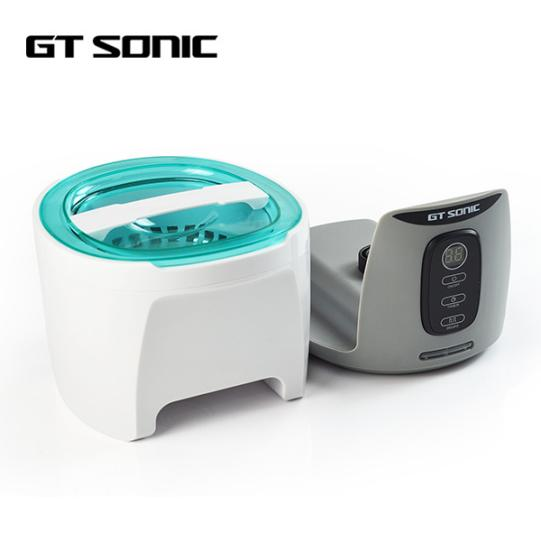
 

1.Precision: Timed cycles ensure that your items are cleaned for the optimal amount of time, preventing overexposure to cleaning solutions.

2.Convenience: A digital timer allows for easy and precise control, making the cleaning process more user-friendly.

3.Efficiency: Timed cycles help save energy and cleaning solution by preventing unnecessary extended cleaning.

4.Consistency: With timed cycles, you can achieve the same results each time, ensuring consistent quality.

5.Gentle Cleaning: Ultrasonic cleaning is ideal for delicate items, as it uses sound waves rather than abrasive methods, reducing the risk of damage.

FAQ

What is a Digital Ultrasonic Cleaner Used For?

Digital ultrasonic cleaners are used for cleaning delicate items such as jewelry, eyeglasses, dental tools, and small machine parts. The digital timer ensures precise control over the cleaning process.

How to Use Digital Ultrasonic Cleaner?

To use a digital ultrasonic cleaner, simply fill the tank with the appropriate cleaning solution, place the item in the basket, set the timer, and press start. Follow manufacturer guidelines for best results.

What is the Difference Between Digital and Analog Ultrasonic Cleaners?

The primary difference is the control interface. Digital ultrasonic cleaners have an electronic display with preset cycles and timers, while analog models use manual dials. Digital models tend to offer more precision and ease of use.

Ultrasonic cleaning, especially with a portable cleaner that features a 4-cycle timer, offers a convenient, efficient, and precise way to clean a variety of delicate items. By considering factors like cleaning solution, power, and frequency, you can optimize the cleaning process and ensure your items stay in pristine condition. Whether you're cleaning jewelry, eyeglasses, or dental retainers, an ultrasonic cleaner with a digital timer can save you time while delivering excellent results.

Does a longer ultrasonic cleaning time always mean better cleaning?

No. Longer cleaning does not always mean better results. Excessive cleaning time can put unnecessary stress on delicate materials, thin plastics, coatings, and fragile finishes. For many items, short repeated cycles are safer than one overly long session.

Can ultrasonic cleaning damage jewelry?

It can, depending on the jewelry. Many metal jewelry items clean well in ultrasonic machines, but antique jewelry, loose-stone settings, plated jewelry, glued parts, and treated, filled, oiled, dyed, or coated gemstones may be at risk. If the item is delicate or has an uncertain setting, a gentler cleaning method is safer.

Can I use only water in an ultrasonic cleaner?

Yes, water can be used, but cleaning performance is often better with a suitable water-based cleaning solution. Water alone may help remove loose dirt, while the right detergent or specialty solution can improve cavitation effectiveness and shorten cleaning time. Water quality also matters in some applications

Do heated ultrasonic cleaners clean faster?

In many cases, yes. Heating can help loosen dirt and may speed up cleaning for many residues, though the effect depends on the contaminant, item material, and cleaning chemistry. For household use, heat can improve performance, but not every item should be cleaned at higher temperatures.

Recommended Reading

1.Ultrasonic Glasses Cleaner :The Complete Guide to Cleaning Your Eyeglasses

2.How Does an Ultrasonic Glasses Cleaner Work?

3.Homemade Ultrasonic Cleaner Solution for Glasses: What Liquid to Use?


banner
News Details

How Long Does Ultrasonic Cleaning Take:A Guide to 4-Cycle Portable Ultrasonic Cleaners

2026-03-19

Ultrasonic cleaning has become a popular method for cleaning delicate items like jewelry, eyeglasses, and dental retainers. This cleaning technique uses high-frequency sound waves to create tiny bubbles in a liquid cleaning solution

Last updated on:2026-03-18

Quick Answer:

For most items, ultrasonic cleaning usually takes 1–10 minutes, depending on the item type, level of dirt, cleaning solution, machine power, and frequency.

Key Takeaways:

1.Most jewelry: 1–3 minutes

2.Retainers: 2–5 minutes

3.Glasses: 2–3 minutes

4.Heavy soil: 5–10 minutes

5.Actual time depends on solution, power, and frequency

Ultrasonic cleaning has become a popular method for cleaning delicate items like jewelry, eyeglasses, and dental retainers. This cleaning technique uses high-frequency sound waves to create tiny bubbles in a liquid cleaning solution, which then collapse, generating microscopic shockwaves that effectively clean items. But one question frequently asked by users is: How long does ultrasonic cleaning take, especially when using a 4-cycle timer portable ultrasonic cleaner?

In this article, we'll break down the ultrasonic cleaning process, explore factors that impact cleaning time, and recommend some of the best ultrasonic cleaners on the market today.

Table of Contents

What is a Ultrasonic cleaning cycle?

-What is the process of ultrasonic cleaning?

-How long is the cycle of ultrasonic cleaner?

-How Long Does Ultrasonic Cleaning Take?

Factors Affecting Ultrasonic Cleaning Time and Efficiency

-How cleaning solutions affect ultrasonic cleaning time?

-How power and frequency affect ultrasonic cleaning time?

Best ultrasonic cleaner with digital timer (2026 update)

-Quick Comparison of Digital Timer Ultrasonic Cleaners

-Creworks ultrasonic cleaner with heater and timer

-GTSONIC 4-cycle digital timer small ultrasonic cleaning machine

-Magnasonic professional ultrasonic jewelry cleaner with digital timer

What can you clean with an ultrasonic cleaner

-How to clean jewelry in an ultrasonic cleaner

-How to use ultrasonic cleaner for retainer

-How to clean glasses with ultrasonic cleaner

Five benefits of using timed ultrasonic cleaning

FAQ

What is an Ultrasonic Cleaning Cycle?


Before diving into cleaning times, it’s important to understand the concept of an ultrasonic cleaning cycle.

What is the Process of Ultrasonic Cleaning?

Ultrasonic cleaning involves the use of high-frequency sound waves to agitate a liquid solution. These sound waves produce microscopic bubbles in the liquid, which, when they collapse, create shockwaves that remove dirt, grease, and other contaminants from the surface of objects. It’s particularly effective for cleaning delicate or intricate items such as jewelry, small machine parts, and even medical instruments.

Ultrasonic cleaners typically use water or a specially formulated cleaning solution to enhance the cleaning process. The sound waves generated by the cleaner are usually in the range of 20 to 40 kHz, making them effective at dislodging contaminants that might otherwise be difficult to clean by hand.

How Long is the Cycle of an Ultrasonic Cleaner?

Ultrasonic cleaners come with varying cycle times depending on the model, size, and specific purpose. Most portable ultrasonic cleaners with a digital timer are equipped with a multi-cycle function. A typical 4-cycle ultrasonic cleaning machine might have the following cycle times:

1.Cycle 1: 1-2 minutes – Light cleaning for delicate items.

2.Cycle 2: 2-4 minutes – Moderate cleaning for general-purpose items.

3.Cycle 3: 5-7 minutes – Heavy-duty cleaning for items with more dirt or grease.

4.Cycle 4: 8-10 minutes – Deep cleaning for stubborn contaminants.

In total, the cleaning time for a 4-cycle ultrasonic cleaner can range from about 1 minute to 10 minutes, depending on the intensity of the cleaning required. Some items, such as jewelry, may only need a few minutes, while more complex items like medical equipment may need a full cycle.

How Long Does Ultrasonic Cleaning Take?

For most household items, ultrasonic cleaning usually takes between 1 and 10 minutes, depending on the type of item and the amount of dirt or residue.

The table below shows the typical ultrasonic cleaning time for different household items.

Item

Recommended Time

Notes

Jewelry

1–3 minutes

Suitable for most rings, earrings, and small metal jewelry with light daily dirt.

Retainers

2–5 minutes

Use an appropriate cleaning solution and avoid over-cleaning delicate materials.

Glasses

2–3 minutes

Best for frames and lenses with light buildup; check coating compatibility first.

Watch Straps

3–5 minutes

Suitable for metal watch bands; avoid parts that are not water-safe.

Small Metal Parts

5–10 minutes

Heavier soil may require a longer cycle or repeated cleaning.

Factors Affecting Ultrasonic Cleaning Time and Efficiency


While the time on the digital timer gives a guideline, there are several other factors that affect how long the cleaning process will take.

How Cleaning Solutions Affect Ultrasonic Cleaning Time?

The type of cleaning solution you use can significantly impact the cleaning time. Solutions that are specifically designed for ultrasonic cleaning contain surfactants and other agents that enhance the cleaning process. These solutions can break down oils, grease, and other stubborn contaminants more effectively, thereby reducing the time needed for cleaning.

For example, when cleaning jewelry, an ultrasonic cleaner with a jewelry-safe solution may reduce the cleaning time because the solution helps loosen grime and dirt quickly. Conversely, a water-only solution may require a longer cycle to achieve the same results.

How Power and Frequency Affect Ultrasonic Cleaning Time?

Ultrasonic cleaners operate at various power levels and frequencies, both of which can affect cleaning time:

Power: The higher the power of an ultrasonic cleaner, the faster and more efficient the cleaning process. Powerful units can create larger and more forceful bubbles, which results in more thorough cleaning, potentially reducing the time needed for each cycle.

Frequency: The frequency of the ultrasonic sound waves plays a crucial role in determining cleaning efficiency. Lower frequencies (e.g., 20 kHz) are better suited for cleaning larger or more durable objects, while higher frequencies (e.g., 40 kHz or above) are better for more delicate items like jewelry. Higher frequencies usually take longer because they create smaller bubbles that clean more precisely, but with less force.

Best Ultrasonic Cleaners with Digital Timers (2026 update)

Looking for a portable ultrasonic cleaner with a digital timer? The models below are suitable for users who want more precise cleaning control for everyday items such as jewelry, glasses, retainers, and small accessories. When comparing different models, it is helpful to look at timer settings, frequency, tank size, heating function, and intended use.


If you're in the market for a portable ultrasonic cleaner with a digital timer, here are some of the best models available in 2026.

Quick Comparison of Digital Timer Ultrasonic Cleaners

The table below provides a simple comparison to help readers choose the right digital timer ultrasonic cleaner for different household cleaning needs.

Model

Key Feature

Suitable For

Timer Type

Extra Function

Model 1

Easy digital timer control

Jewelry, glasses, and daily household items

Preset digital timer

Compact and user-friendly design

Model 2

Multiple cleaning cycle options

Retainers, watch straps, and light metal parts

Multi-cycle digital timer

Suitable for more flexible cleaning needs

Model 3

Balanced cleaning performance for delicate items

Small accessories, jewelry, and regular home use

Digital timer with simple operation

Designed for convenient everyday cleaning

Creworks Ultrasonic Cleaner with Heater and Timer

The Creworks Ultrasonic Cleaner combines high-quality cleaning power with a built-in heater and a digital timer. With a frequency range of 40 kHz, this cleaner is suitable for a wide range of items, from watches and eyeglasses to dental tools. The integrated heater ensures that your cleaning solution stays at the optimal temperature for effective cleaning, and the timer lets you set specific cleaning cycles for maximum efficiency.

GTSONIC 4-Cycle Digital Timer Small Ultrasonic Cleaning Machine

GTSONIC’s 4-cycle digital timer model is compact, making it an excellent choice for smaller objects like jewelry and glasses. With four preset cycles, it’s easy to select the perfect time for various cleaning needs. Whether you’re cleaning everyday jewelry or delicate dental retainers, this model has you covered with a cycle range of 1 to 10 minutes.

Magnasonic Professional Ultrasonic Jewelry Cleaner with Digital Timer

For those who need an ultrasonic cleaner specifically for jewelry, the Magnasonic Professional Ultrasonic Jewelry Cleaner is a top choice. It comes with a 42 kHz frequency, which ensures delicate and thorough cleaning. The digital timer is adjustable from 1 to 8 minutes, making it suitable for a variety of jewelry pieces, including rings, necklaces, and watches.

What Can You Clean with an Ultrasonic Cleaner?


Ultrasonic cleaning is versatile and can be used for a variety of items. Here are some common things you can clean with an ultrasonic cleaner:

How to Clean Jewelry in an Ultrasonic Cleaner

Jewelry, particularly gold and silver, can accumulate dirt, oils, and grime over time. To clean jewelry in an ultrasonic cleaner, simply place the pieces in the basket, add a jewelry-safe cleaning solution or water, and set the timer based on the material of the jewelry. A 1-3 minute cycle is usually sufficient for most jewelry types.

How to Use an Ultrasonic Cleaner for Retainers

Ultrasonic cleaners are ideal for cleaning dental retainers, as they can remove plaque and bacteria that accumulate over time. Add a dental cleaning solution to the ultrasonic cleaner, place the retainer inside, and run a short cycle (usually 2-5 minutes). Always consult your orthodontist for the best solution and timing.

How to Clean Glasses with an Ultrasonic Cleaner

Eyeglasses are often coated with oils and dust, making them challenging to clean. An ultrasonic cleaner is perfect for removing these contaminants from your lenses and frames. Place your glasses in the basket, add a mild cleaning solution, and run a short 2-3 minute cycle.

Five Benefits of Using Timed Ultrasonic Cleaning


1.Precision: Timed cycles ensure that your items are cleaned for the optimal amount of time, preventing overexposure to cleaning solutions.

2.Convenience: A digital timer allows for easy and precise control, making the cleaning process more user-friendly.

3.Efficiency: Timed cycles help save energy and cleaning solution by preventing unnecessary extended cleaning.

4.Consistency: With timed cycles, you can achieve the same results each time, ensuring consistent quality.

5.Gentle Cleaning: Ultrasonic cleaning is ideal for delicate items, as it uses sound waves rather than abrasive methods, reducing the risk of damage.

FAQ

What is a Digital Ultrasonic Cleaner Used For?

Digital ultrasonic cleaners are used for cleaning delicate items such as jewelry, eyeglasses, dental tools, and small machine parts. The digital timer ensures precise control over the cleaning process.

How to Use Digital Ultrasonic Cleaner?

To use a digital ultrasonic cleaner, simply fill the tank with the appropriate cleaning solution, place the item in the basket, set the timer, and press start. Follow manufacturer guidelines for best results.

What is the Difference Between Digital and Analog Ultrasonic Cleaners?

The primary difference is the control interface. Digital ultrasonic cleaners have an electronic display with preset cycles and timers, while analog models use manual dials. Digital models tend to offer more precision and ease of use.

Ultrasonic cleaning, especially with a portable cleaner that features a 4-cycle timer, offers a convenient, efficient, and precise way to clean a variety of delicate items. By considering factors like cleaning solution, power, and frequency, you can optimize the cleaning process and ensure your items stay in pristine condition. Whether you're cleaning jewelry, eyeglasses, or dental retainers, an ultrasonic cleaner with a digital timer can save you time while delivering excellent results.

Does a longer ultrasonic cleaning time always mean better cleaning?

No. Longer cleaning does not always mean better results. Excessive cleaning time can put unnecessary stress on delicate materials, thin plastics, coatings, and fragile finishes. For many items, short repeated cycles are safer than one overly long session.

Can ultrasonic cleaning damage jewelry?

It can, depending on the jewelry. Many metal jewelry items clean well in ultrasonic machines, but antique jewelry, loose-stone settings, plated jewelry, glued parts, and treated, filled, oiled, dyed, or coated gemstones may be at risk. If the item is delicate or has an uncertain setting, a gentler cleaning method is safer.

Can I use only water in an ultrasonic cleaner?

Yes, water can be used, but cleaning performance is often better with a suitable water-based cleaning solution. Water alone may help remove loose dirt, while the right detergent or specialty solution can improve cavitation effectiveness and shorten cleaning time. Water quality also matters in some applications

Do heated ultrasonic cleaners clean faster?

In many cases, yes. Heating can help loosen dirt and may speed up cleaning for many residues, though the effect depends on the contaminant, item material, and cleaning chemistry. For household use, heat can improve performance, but not every item should be cleaned at higher temperatures.

Recommended Reading

1.Ultrasonic Glasses Cleaner :The Complete Guide to Cleaning Your Eyeglasses

2.How Does an Ultrasonic Glasses Cleaner Work?

3.Homemade Ultrasonic Cleaner Solution for Glasses: What Liquid to Use?