banner

News Details

Events
Contact Us
GT SONIC
0086-75523356715
Contact Now

Ultrasonic Glasses Cleaner :The Complete Guide to Cleaning Your Eyeglasses

Author: Zoey Date: 2025-09-16 Read: 5min

Last updated: 2026-04-15

Quick Answer: Are Ultrasonic Glasses Cleaners Safe?

Yes, ultrasonic glasses cleaners are generally safe for most eyeglasses when used correctly. They work well for removing oil, dust, and debris from lenses, hinges, and nose pads. Use a mild cleaning solution, start with a short 3–5 minute cycle, and check coated, damaged, or older lenses before cleaning. For daily smudges, manual cleaning is enough; for deeper buildup, ultrasonic cleaning is often more effective.

Key Takeaways

1.Ultrasonic cleaning is best for deep cleaning hinges, nose pads, and frame gaps.

2.Most eyeglasses can be cleaned safely, but coated or damaged lenses need extra care.

3.Use a mild eyeglass-safe solution and start with a 3–5 minute cycle.

4.Choose an ultrasonic cleaner based on tank size, timer settings, noise, and ease of use.

Summary

Ultrasonic glasses cleaners are generally safe and effective for most eyeglasses when used with a mild cleaning solution and a short cleaning cycle. They work especially well for deep cleaning areas that are difficult to wipe by hand, such as hinges and nose pads. This guide explains how to use an ultrasonic cleaner for glasses, what types of lenses can be cleaned, how long to run a cleaning cycle, and what to check before cleaning coated or older lenses.

Table of Contents

How does ultrasonic cleaning work?

Do ultrasonic glasses cleaner work?

How to clean glasses with ultrasonic cleaner?

What types of lenses can be cleaned using ultrasonic cleaning?

Ultrasonic cleaners for glasses: popular options for home use

Why choose gtsonic ultrasonic cleaning device?

Eyeglasses ultrasonic Cleaner FAQs

How Does Ultrasonic Cleaning Work?
Ultrasonic Cleaning Work

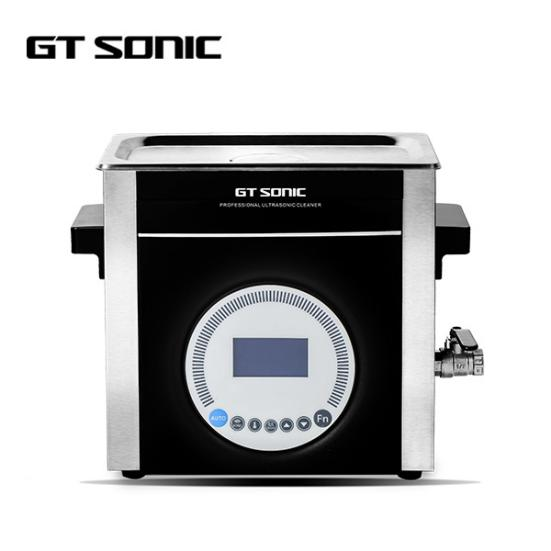
Ultrasonic cleaning uses high-frequency sound waves to agitate a cleaning solution. These sound waves create microscopic bubbles in the solution, which implode (or collapse) upon contact with the surface being cleaned. This process, known as cavitation, helps dislodge dirt, oils, dust, and other particles from delicate surfaces like eyeglass lenses and frames.

How to Use an Ultrasonic Cleaner?

Using an ultrasonic cleaner for eyeglasses is relatively simple. Here's how you can do it:

Fill the Cleaner with Solution: First, fill the ultrasonic cleaner's tank with a cleaning solution. You can use a specialized eyeglass cleaning solution or plain water with a small amount of mild dish soap.

Place Your Glasses in the Basket: Carefully place your eyeglasses into the cleaning basket provided with the ultrasonic cleaner. Make sure the lenses are fully submerged in the solution.

Start the Cleaning Cycle: Turn on the ultrasonic cleaner and select the appropriate cleaning time (usually 3-5 minutes). The device will emit high-frequency sound waves, causing the solution to bubble and clean your eyeglasses.

Rinse and Dry: Once the cycle is complete, remove your glasses, rinse them gently with clean water to remove any residue, and dry them with a microfiber cloth.

What Does an Ultrasonic Cleaner Do?

An ultrasonic cleaner is highly effective at removing stubborn dirt, oils, and debris from delicate surfaces. For eyeglasses, the ultrasonic cleaner works by:

Breaking down grease and oil buildup on lenses

Dislodging dirt particles lodged in hard-to-reach areas, like hinges or the spaces between the lenses and frames

Gently cleaning without damaging the lenses or frames

This is especially useful for people with glasses who find regular cleaning methods inadequate for removing oils from their skin or makeup, or dirt from their surroundings.

Do Ultrasonic Glasses Cleaners Work?
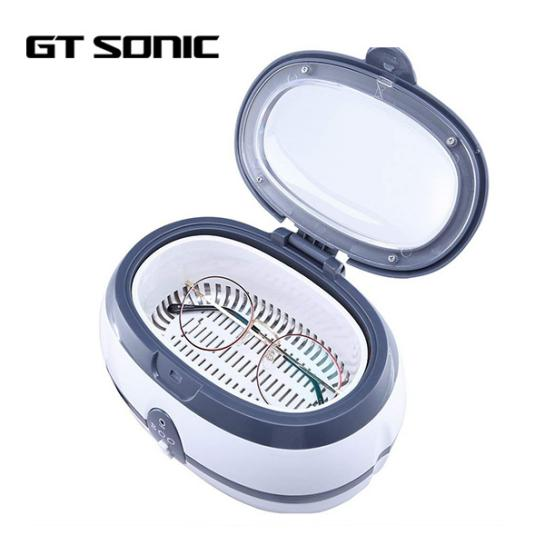
The short answer is yes—ultrasonic glasses cleaners are effective at cleaning eyeglasses, and they provide a deeper, more thorough clean compared to traditional methods. The ultrasonic waves reach small nooks and crannies where dirt and grime tend to accumulate, ensuring that your glasses are fully cleaned. Furthermore, ultrasonic cleaners are safe for most types of lenses and frames, including plastic, metal, and glass.

However, there are a few considerations to keep in mind:

Lens Coatings: If your eyeglasses have special coatings, such as anti-reflective or anti-scratch coatings, you should check with the manufacturer to ensure that ultrasonic cleaning won’t damage the coating.

Frame Material: Most eyeglass frames can handle ultrasonic cleaning, but certain materials, such as cheap plastics or older frames, may be more vulnerable to damage.

Choosing the Best Eyeglass Cleaner: A Comprehensive Review

There are many different ultrasonic cleaners on the market, each varying in size, power, and features. When selecting the best ultrasonic cleaner for your glasses, consider the following:

1.Capacity: Make sure the cleaner can accommodate the size of your eyeglasses and any other items you may want to clean.

2.Power: Higher power generally means more effective cleaning, but it may also increase the risk of damage if not used carefully.

3.Timer and Settings: Look for a model with adjustable settings so you can tailor the cleaning cycle to suit your glasses.

4.Durability: Choose a reputable brand that offers warranties or guarantees on their products.

How to Clean Glasses with Ultrasonic Cleaner?
Clean Glasses with Ultrasonic Cleaner

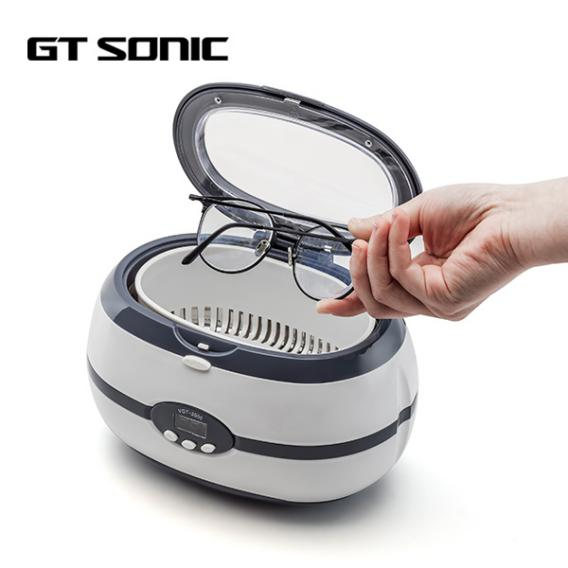
Cleaning your eyeglasses with an ultrasonic cleaner involves a few simple steps, but it’s important to do it properly to ensure your glasses are cleaned effectively without any risk of damage.

What Liquid to Use in Ultrasonic Cleaner for Glasses?

While you can technically use plain water in an ultrasonic cleaner, it’s best to use a specialized ultrasonic cleaning solution designed for eyeglasses. These solutions are gentle yet effective, often containing ingredients that help to break down oils and dirt without harming the lenses or frames. If you don’t have an ultrasonic cleaner solution on hand, you can mix a few drops of mild dish soap with warm water, but be sure the soap is non-abrasive.

How Long to Clean Glasses in Ultrasonic Cleaner?

Most ultrasonic cleaners have a preset timer, with cycles typically ranging from 3 to 5 minutes. For most eyeglasses, a 3-minute cleaning cycle is sufficient. If your glasses are extremely dirty, you can repeat the process, but be cautious not to overdo it. Prolonged cleaning cycles can lead to unnecessary wear on the lenses or frames, especially if the cleaner uses high-frequency waves for extended periods.

What Are the Best Steps for Ultrasonic Cleaning of Glasses?

Prepare the Cleaning Solution: Fill the tank with the ultrasonic cleaning solution, ensuring the level is sufficient to cover the glasses completely.

Place Glasses in the Cleaner: Put your glasses in the cleaner’s basket, ensuring they are fully submerged in the solution.

Set the Timer: Select a 3-5 minute cycle on your ultrasonic cleaner.

Start the Cleaner: Turn on the device and let it run its course.

Rinse and Dry: Once the cycle is complete, remove your glasses carefully. Rinse them with fresh water and dry them using a microfiber cloth.

What Types of Lenses Can Be Cleaned Using Ultras?
Types of Lenses Can Be Cleaned Using Ultras

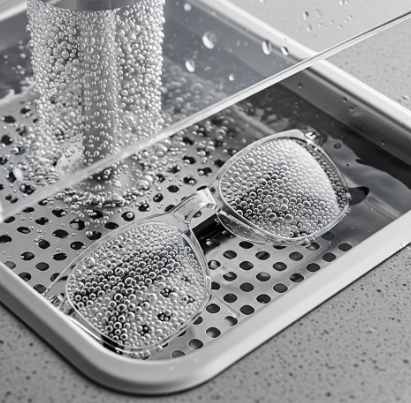
Ultrasonic cleaning is a highly effective method for cleaning lenses, but it’s essential to know which types of lenses are safe to clean with this technology. Here’s an overview of different lenses and their compatibility with ultrasonic cleaning.

Ultrasonic cleaning is a highly effective method for cleaning lenses, but it’s essential to know which types of lenses are safe to clean with this technology.

Lens or Frame Type

Suitable for Ultrasonic Cleaning

Risk Level

Recommended Use

Standard plastic lenses

Yes, in most cases

Low

Use a mild eyeglass-safe solution and a short 3–5 minute cycle.

Polycarbonate or Trivex lenses

Usually yes

Low to Moderate

Clean gently and inspect for scratches or loose coating edges first.

Coated lenses (AR, UV, anti-scratch, blue-light)

Often yes, with caution

Moderate

Only clean if the coating is intact and well bonded. Avoid long cycles.

Polarized sunglasses

Often yes, with caution

Moderate

Check for peeling film, edge wear, or delamination before cleaning.

Glass lenses

Usually yes

Low

Use a mild solution and avoid unnecessary long cleaning times.

Damaged, peeling, cracked, or older glasses

Not recommended

High

Use manual cleaning or ask an optician before ultrasonic cleaning.

Summary: Most eyeglasses can be cleaned in an ultrasonic cleaner, but coated, damaged, or older lenses should be checked carefully first. When in doubt, start with the shortest cycle and a mild solution.

1.Plastic and Polycarbonate Lenses

Most standard plastic, polycarbonate, and Trivex lenses can usually be cleaned safely with a mild solution and a short ultrasonic cycle.

2.Coated Lenses

Lenses with anti-reflective, UV, anti-scratch, or blue-light coatings can often be cleaned ultrasonically, but only if the coating is intact and not peeling or damaged.

3.Polarized Sunglasses

Polarized sunglasses may be cleaned in an ultrasonic cleaner, but the lens film and edges should be checked carefully before cleaning.

4.Damaged or Older Glasses

Old, loose, cracked, scratched, or peeling glasses are better cleaned manually or checked by an optician before ultrasonic cleaning.

Ultrasonic Cleaners for Glasses: Popular Options for Home Use
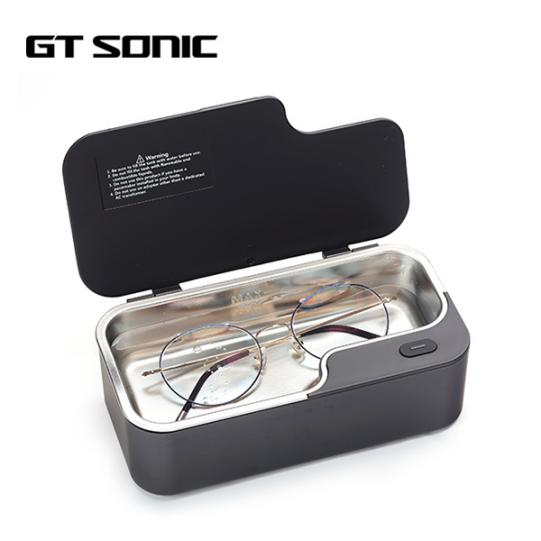
Best Ultrasonic Cleaner for Glasses

There is no single ultrasonic cleaner that is best for every user. The right choice depends on tank size, cleaning frequency, noise level, timer settings, and whether you plan to clean only eyeglasses or other small items as well. Below are some common ultrasonic cleaner options for glasses and home use.

1.GTSONIC Ultrasonic Cleaner

Compact, portable, and powerful, GTSONIC is a popular choice among eyeglass owners.

It has adjustable time settings and is known for its high-quality, durable construction.

2.iSonic P4820 Ultrasonic Cleaner

A great mid-range option, the iSonic features a large cleaning capacity and reliable performance.

It is ideal for both eyeglasses and other small personal items like jewelry and watches.

3.Crest Ultrasonic Cleaner

Known for its advanced technology, Crest ultrasonic cleaners are often used in professional settings but are also available for personal use.

It provides excellent cleaning performance with adjustable cycle times and an easy-to-use interface.

When choosing an ultrasonic cleaner for glasses, it is better to focus on practical factors such as tank size, cleaning cycle settings, noise level, and ease of use, rather than looking for a single “best” model. The most suitable option depends on your cleaning habits and whether you need the device for eyeglasses only or for multiple household items.

Why Choose GTSONIC Ultrasonic Cleaning Device?

GTSONIC Ultrasonic Cleaning Device

GTSONIC stands out in the market for several reasons:

GT SONIC is a trusted ultrasonic cleaning solution provider with over 23 years of OEM and ODM experience.
Backed by a 50,000 m² industrial park and more than 20 automated production lines, we ensure stable quality, scalable manufacturing, and rapid development cycles. Standard models are delivered within 7 days, while custom-designed solutions are completed in as fast as 25 days. From engineering design to mass production, GT SONIC delivers reliable, efficient, and flexible ultrasonic cleaning solutions tailored to global customer needs.

Efficient Cleaning: GTSONIC uses high-frequency ultrasonic waves to clean glasses thoroughly, ensuring every part of the glasses is properly cleaned.

Durable Design: Made with high-quality materials, GTSONIC cleaners are built to last, with resistance to corrosion and wear.

User-Friendly: GTSONIC cleaners come with clear instructions, making it easy for beginners to use. They also have customizable settings for different cleaning needs.

Multi-Use: Besides eyeglasses, the GTSONIC ultrasonic cleaner is versatile and can clean jewelry, watches, dentures, and other small items.

Looking for a Custom Ultrasonic Glasses Cleaner Solution?

Eyeglasses ultrasonic Cleaner FAQs

1.Is it safe to clean eyeglasses in an ultrasonic cleaner?

Yes, in most cases it is safe. Most eyeglasses can be cleaned in an ultrasonic cleaner if the lenses, coatings, and frame are in good condition.

2.Do ultrasonic glasses cleaners work better than manual cleaning?

They are usually better for deep cleaning. Ultrasonic cleaning can remove oil, dust, and debris from hinges, nose pads, and frame edges that manual wiping may miss.

3.What liquid should I use in an ultrasonic cleaner for glasses?

Use an eyeglass-safe ultrasonic cleaning solution, or water with a very small amount of mild, non-abrasive dish soap. Avoid strong chemicals, bleach, or harsh solvents.

4.How long should glasses stay in an ultrasonic cleaner?

For most glasses, 3 to 5 minutes is enough. Start with a shorter cycle first, especially for coated lenses or older frames.

5.Can coated lenses go in an ultrasonic cleaner?

Many coated lenses can be cleaned safely, but weak, peeling, or damaged coatings may be at greater risk. Always inspect the lens condition before cleaning.

6.How often should I ultrasonic clean my glasses?

Weekly or as needed is usually enough. For everyday fingerprints and light smudges, manual cleaning is typically sufficient.

In conclusion, ultrasonic glasses cleaners are an efficient and easy way to keep your eyeglasses looking pristine. With proper use and the right cleaning solution, you can enjoy spotless lenses and improved vision without the hassle of traditional cleaning methods.

banner
News Details

Ultrasonic Glasses Cleaner :The Complete Guide to Cleaning Your Eyeglasses

2026-04-15

Maintaining the cleanliness of your eyeglasses is essential not only for preserving their appearance but also for ensuring optimal vision. Traditional cleaning methods like using a microfiber cloth or spraying a lens cleaner are common practices.

Last updated: 2026-04-15

Quick Answer: Are Ultrasonic Glasses Cleaners Safe?

Yes, ultrasonic glasses cleaners are generally safe for most eyeglasses when used correctly. They work well for removing oil, dust, and debris from lenses, hinges, and nose pads. Use a mild cleaning solution, start with a short 3–5 minute cycle, and check coated, damaged, or older lenses before cleaning. For daily smudges, manual cleaning is enough; for deeper buildup, ultrasonic cleaning is often more effective.

Key Takeaways

1.Ultrasonic cleaning is best for deep cleaning hinges, nose pads, and frame gaps.

2.Most eyeglasses can be cleaned safely, but coated or damaged lenses need extra care.

3.Use a mild eyeglass-safe solution and start with a 3–5 minute cycle.

4.Choose an ultrasonic cleaner based on tank size, timer settings, noise, and ease of use.

Summary

Ultrasonic glasses cleaners are generally safe and effective for most eyeglasses when used with a mild cleaning solution and a short cleaning cycle. They work especially well for deep cleaning areas that are difficult to wipe by hand, such as hinges and nose pads. This guide explains how to use an ultrasonic cleaner for glasses, what types of lenses can be cleaned, how long to run a cleaning cycle, and what to check before cleaning coated or older lenses.

Table of Contents

How does ultrasonic cleaning work?

Do ultrasonic glasses cleaner work?

How to clean glasses with ultrasonic cleaner?

What types of lenses can be cleaned using ultrasonic cleaning?

Ultrasonic cleaners for glasses: popular options for home use

Why choose gtsonic ultrasonic cleaning device?

Eyeglasses ultrasonic Cleaner FAQs

How Does Ultrasonic Cleaning Work?

Ultrasonic Cleaning Work

Ultrasonic cleaning uses high-frequency sound waves to agitate a cleaning solution. These sound waves create microscopic bubbles in the solution, which implode (or collapse) upon contact with the surface being cleaned. This process, known as cavitation, helps dislodge dirt, oils, dust, and other particles from delicate surfaces like eyeglass lenses and frames.

How to Use an Ultrasonic Cleaner?

Using an ultrasonic cleaner for eyeglasses is relatively simple. Here's how you can do it:

Fill the Cleaner with Solution: First, fill the ultrasonic cleaner's tank with a cleaning solution. You can use a specialized eyeglass cleaning solution or plain water with a small amount of mild dish soap.

Place Your Glasses in the Basket: Carefully place your eyeglasses into the cleaning basket provided with the ultrasonic cleaner. Make sure the lenses are fully submerged in the solution.

Start the Cleaning Cycle: Turn on the ultrasonic cleaner and select the appropriate cleaning time (usually 3-5 minutes). The device will emit high-frequency sound waves, causing the solution to bubble and clean your eyeglasses.

Rinse and Dry: Once the cycle is complete, remove your glasses, rinse them gently with clean water to remove any residue, and dry them with a microfiber cloth.

What Does an Ultrasonic Cleaner Do?

An ultrasonic cleaner is highly effective at removing stubborn dirt, oils, and debris from delicate surfaces. For eyeglasses, the ultrasonic cleaner works by:

Breaking down grease and oil buildup on lenses

Dislodging dirt particles lodged in hard-to-reach areas, like hinges or the spaces between the lenses and frames

Gently cleaning without damaging the lenses or frames

This is especially useful for people with glasses who find regular cleaning methods inadequate for removing oils from their skin or makeup, or dirt from their surroundings.

Do Ultrasonic Glasses Cleaners Work?

The short answer is yes—ultrasonic glasses cleaners are effective at cleaning eyeglasses, and they provide a deeper, more thorough clean compared to traditional methods. The ultrasonic waves reach small nooks and crannies where dirt and grime tend to accumulate, ensuring that your glasses are fully cleaned. Furthermore, ultrasonic cleaners are safe for most types of lenses and frames, including plastic, metal, and glass.

However, there are a few considerations to keep in mind:

Lens Coatings: If your eyeglasses have special coatings, such as anti-reflective or anti-scratch coatings, you should check with the manufacturer to ensure that ultrasonic cleaning won’t damage the coating.

Frame Material: Most eyeglass frames can handle ultrasonic cleaning, but certain materials, such as cheap plastics or older frames, may be more vulnerable to damage.

Choosing the Best Eyeglass Cleaner: A Comprehensive Review

There are many different ultrasonic cleaners on the market, each varying in size, power, and features. When selecting the best ultrasonic cleaner for your glasses, consider the following:

1.Capacity: Make sure the cleaner can accommodate the size of your eyeglasses and any other items you may want to clean.

2.Power: Higher power generally means more effective cleaning, but it may also increase the risk of damage if not used carefully.

3.Timer and Settings: Look for a model with adjustable settings so you can tailor the cleaning cycle to suit your glasses.

4.Durability: Choose a reputable brand that offers warranties or guarantees on their products.

How to Clean Glasses with Ultrasonic Cleaner?

Clean Glasses with Ultrasonic Cleaner

Cleaning your eyeglasses with an ultrasonic cleaner involves a few simple steps, but it’s important to do it properly to ensure your glasses are cleaned effectively without any risk of damage.

What Liquid to Use in Ultrasonic Cleaner for Glasses?

While you can technically use plain water in an ultrasonic cleaner, it’s best to use a specialized ultrasonic cleaning solution designed for eyeglasses. These solutions are gentle yet effective, often containing ingredients that help to break down oils and dirt without harming the lenses or frames. If you don’t have an ultrasonic cleaner solution on hand, you can mix a few drops of mild dish soap with warm water, but be sure the soap is non-abrasive.

How Long to Clean Glasses in Ultrasonic Cleaner?

Most ultrasonic cleaners have a preset timer, with cycles typically ranging from 3 to 5 minutes. For most eyeglasses, a 3-minute cleaning cycle is sufficient. If your glasses are extremely dirty, you can repeat the process, but be cautious not to overdo it. Prolonged cleaning cycles can lead to unnecessary wear on the lenses or frames, especially if the cleaner uses high-frequency waves for extended periods.

What Are the Best Steps for Ultrasonic Cleaning of Glasses?

Prepare the Cleaning Solution: Fill the tank with the ultrasonic cleaning solution, ensuring the level is sufficient to cover the glasses completely.

Place Glasses in the Cleaner: Put your glasses in the cleaner’s basket, ensuring they are fully submerged in the solution.

Set the Timer: Select a 3-5 minute cycle on your ultrasonic cleaner.

Start the Cleaner: Turn on the device and let it run its course.

Rinse and Dry: Once the cycle is complete, remove your glasses carefully. Rinse them with fresh water and dry them using a microfiber cloth.

What Types of Lenses Can Be Cleaned Using Ultras?

Types of Lenses Can Be Cleaned Using Ultras

Ultrasonic cleaning is a highly effective method for cleaning lenses, but it’s essential to know which types of lenses are safe to clean with this technology. Here’s an overview of different lenses and their compatibility with ultrasonic cleaning.

Ultrasonic cleaning is a highly effective method for cleaning lenses, but it’s essential to know which types of lenses are safe to clean with this technology.

Lens or Frame Type

Suitable for Ultrasonic Cleaning

Risk Level

Recommended Use

Standard plastic lenses

Yes, in most cases

Low

Use a mild eyeglass-safe solution and a short 3–5 minute cycle.

Polycarbonate or Trivex lenses

Usually yes

Low to Moderate

Clean gently and inspect for scratches or loose coating edges first.

Coated lenses (AR, UV, anti-scratch, blue-light)

Often yes, with caution

Moderate

Only clean if the coating is intact and well bonded. Avoid long cycles.

Polarized sunglasses

Often yes, with caution

Moderate

Check for peeling film, edge wear, or delamination before cleaning.

Glass lenses

Usually yes

Low

Use a mild solution and avoid unnecessary long cleaning times.

Damaged, peeling, cracked, or older glasses

Not recommended

High

Use manual cleaning or ask an optician before ultrasonic cleaning.

Summary: Most eyeglasses can be cleaned in an ultrasonic cleaner, but coated, damaged, or older lenses should be checked carefully first. When in doubt, start with the shortest cycle and a mild solution.

1.Plastic and Polycarbonate Lenses

Most standard plastic, polycarbonate, and Trivex lenses can usually be cleaned safely with a mild solution and a short ultrasonic cycle.

2.Coated Lenses

Lenses with anti-reflective, UV, anti-scratch, or blue-light coatings can often be cleaned ultrasonically, but only if the coating is intact and not peeling or damaged.

3.Polarized Sunglasses

Polarized sunglasses may be cleaned in an ultrasonic cleaner, but the lens film and edges should be checked carefully before cleaning.

4.Damaged or Older Glasses

Old, loose, cracked, scratched, or peeling glasses are better cleaned manually or checked by an optician before ultrasonic cleaning.

Ultrasonic Cleaners for Glasses: Popular Options for Home Use

Best Ultrasonic Cleaner for Glasses

There is no single ultrasonic cleaner that is best for every user. The right choice depends on tank size, cleaning frequency, noise level, timer settings, and whether you plan to clean only eyeglasses or other small items as well. Below are some common ultrasonic cleaner options for glasses and home use.

1.GTSONIC Ultrasonic Cleaner

Compact, portable, and powerful, GTSONIC is a popular choice among eyeglass owners.

It has adjustable time settings and is known for its high-quality, durable construction.

2.iSonic P4820 Ultrasonic Cleaner

A great mid-range option, the iSonic features a large cleaning capacity and reliable performance.

It is ideal for both eyeglasses and other small personal items like jewelry and watches.

3.Crest Ultrasonic Cleaner

Known for its advanced technology, Crest ultrasonic cleaners are often used in professional settings but are also available for personal use.

It provides excellent cleaning performance with adjustable cycle times and an easy-to-use interface.

When choosing an ultrasonic cleaner for glasses, it is better to focus on practical factors such as tank size, cleaning cycle settings, noise level, and ease of use, rather than looking for a single “best” model. The most suitable option depends on your cleaning habits and whether you need the device for eyeglasses only or for multiple household items.

Why Choose GTSONIC Ultrasonic Cleaning Device?

GTSONIC Ultrasonic Cleaning Device

GTSONIC stands out in the market for several reasons:

GT SONIC is a trusted ultrasonic cleaning solution provider with over 23 years of OEM and ODM experience.
Backed by a 50,000 m² industrial park and more than 20 automated production lines, we ensure stable quality, scalable manufacturing, and rapid development cycles. Standard models are delivered within 7 days, while custom-designed solutions are completed in as fast as 25 days. From engineering design to mass production, GT SONIC delivers reliable, efficient, and flexible ultrasonic cleaning solutions tailored to global customer needs.

Efficient Cleaning: GTSONIC uses high-frequency ultrasonic waves to clean glasses thoroughly, ensuring every part of the glasses is properly cleaned.

Durable Design: Made with high-quality materials, GTSONIC cleaners are built to last, with resistance to corrosion and wear.

User-Friendly: GTSONIC cleaners come with clear instructions, making it easy for beginners to use. They also have customizable settings for different cleaning needs.

Multi-Use: Besides eyeglasses, the GTSONIC ultrasonic cleaner is versatile and can clean jewelry, watches, dentures, and other small items.

Looking for a Custom Ultrasonic Glasses Cleaner Solution?

Contact Us Now

Eyeglasses ultrasonic Cleaner FAQs

1.Is it safe to clean eyeglasses in an ultrasonic cleaner?

Yes, in most cases it is safe. Most eyeglasses can be cleaned in an ultrasonic cleaner if the lenses, coatings, and frame are in good condition.

2.Do ultrasonic glasses cleaners work better than manual cleaning?

They are usually better for deep cleaning. Ultrasonic cleaning can remove oil, dust, and debris from hinges, nose pads, and frame edges that manual wiping may miss.

3.What liquid should I use in an ultrasonic cleaner for glasses?

Use an eyeglass-safe ultrasonic cleaning solution, or water with a very small amount of mild, non-abrasive dish soap. Avoid strong chemicals, bleach, or harsh solvents.

4.How long should glasses stay in an ultrasonic cleaner?

For most glasses, 3 to 5 minutes is enough. Start with a shorter cycle first, especially for coated lenses or older frames.

5.Can coated lenses go in an ultrasonic cleaner?

Many coated lenses can be cleaned safely, but weak, peeling, or damaged coatings may be at greater risk. Always inspect the lens condition before cleaning.

6.How often should I ultrasonic clean my glasses?

Weekly or as needed is usually enough. For everyday fingerprints and light smudges, manual cleaning is typically sufficient.

In conclusion, ultrasonic glasses cleaners are an efficient and easy way to keep your eyeglasses looking pristine. With proper use and the right cleaning solution, you can enjoy spotless lenses and improved vision without the hassle of traditional cleaning methods.