How to Choose an Ultrasonic Glasses Cleaner for Optical Shops and Eyewear Brands
Author: GT SONIC
Date: 2026-09-16
Read: 6 min
Why Eyewear Applications Need More Than a Basic Cleaning Solution
Choosing an ultrasonic glasses cleaner for eyewear applications requires understanding how glasses are used, maintained and serviced. Unlike general small-item cleaning, eyewear products often include delicate lenses, coatings, frames, hinges and small connection areas that require suitable cleaning methods.
Daily use can leave fingerprints, oil, dust and residue around areas that are difficult to clean with a cloth. Nose pads, screws and frame joints are common places where buildup can remain even after regular wiping.
An ultrasonic glasses cleaner provides another cleaning approach by using ultrasonic vibration in liquid. The cavitation effect helps loosen contaminants from detailed structures and creates a more consistent cleaning process.
For optical shops and eyewear-related applications, the right equipment should balance cleaning performance, operation convenience and compatibility with different eyewear products.
Key Factors to Consider When Selecting an Ultrasonic Glasses Cleaner
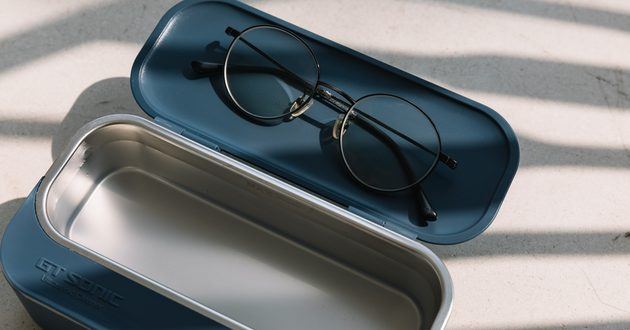
Capacity and Cleaning Volume Requirements
Capacity determines how the cleaner fits into daily use. A compact tank may be suitable for regular glasses maintenance, while a larger capacity can provide more flexibility when multiple items need to be cleaned.
The correct capacity depends on cleaning frequency, item types and available space. Choosing the largest model is not always the most practical solution. A suitable balance between cleaning space and operation convenience is usually more important.
Ultrasonic Frequency and Cleaning Performance
Ultrasonic frequency influences the cleaning characteristics of the machine. For eyewear applications, the cleaning process needs to provide effective residue removal while considering delicate structures and materials.
When selecting a professional glasses cleaning machine, frequency should be evaluated together with power, tank design and intended application instead of being considered as an isolated specification.
Operation Efficiency and Maintenance Convenience
In environments where cleaning is performed regularly, easy operation becomes an important factor. Functions such as automatic timing, simple controls and convenient maintenance can improve daily workflow.
A suitable ultrasonic eyeglass cleaner should not only provide cleaning performance but also support a repeatable and efficient cleaning routine.
How Optical Shops Can Integrate Ultrasonic Cleaning Into Daily Services
For optical shops that want a larger tank and stable daily operation, see the GT SONIC commercial ultrasonic glasses cleaner product page.
Improving Customer Service Experience
For optical shops, cleaning can become part of the overall customer experience. Providing a professional cleaning process during fitting, adjustment or after-sales service can help create a stronger impression of care and attention.
The equipment should be easy to operate, reliable during repeated use and suitable for different eyewear products handled in daily service scenarios.
Supporting Different Eyewear Products
Optical applications may involve different glasses, sunglasses and accessories. Before cleaning, consider lens coatings, frame materials and product recommendations.
A flexible ultrasonic glasses cleaner should support practical maintenance while allowing users to select appropriate cleaning methods for different items.
How Eyewear Brands Can Use Cleaning Solutions to Improve Customer Experience
Supporting Product Care and Customer Education
Eyewear brands can use cleaning solutions as part of product care guidance. Helping customers understand proper maintenance can improve product experience and encourage better long-term use habits.
A suitable cleaning machine should match the brand positioning and provide a convenient way for customers to maintain eyewear products.
Creating Additional Brand Touchpoints
Cleaning equipment can also support customer interaction after purchase. Demonstrations, maintenance services and product education can create additional opportunities to communicate product value.
For this reason, selecting an eyewear brand cleaning machine requires considering not only cleaning ability but also the overall user experience.
Comparing Compact and Professional Ultrasonic Glasses Cleaners

Compact ultrasonic cleaners usually focus on convenience, simple operation and everyday use. Professional-oriented solutions place more emphasis on repeated operation, stability and broader application requirements.
GT SONIC provides different ultrasonic cleaning solutions designed around various eyewear applications. The GT-X series includes compact, portable and advanced configurations, allowing different cleaning requirements to be matched with suitable product options.
When selecting equipment, focus on how the product will be used rather than choosing a machine only because of higher specifications. The right balance between functions, convenience and application needs creates better long-term value.
Why GT SONIC Is a Suitable Reference for Eyewear Cleaning Solutions
If you are planning a larger order, read our Bulk Purchase Guide: Buying Ultrasonic Glasses Cleaners from a Manufacturer for supplier selection tips.
GT SONIC focuses on ultrasonic cleaning solutions for different application requirements, including eyewear cleaning scenarios. Its product approach covers different configurations so users can evaluate solutions based on cleaning purpose, product features and usage environment.
For optical shops and eyewear applications, a suitable ultrasonic cleaner should provide reliable cleaning performance while remaining practical for daily operation. Evaluating product design, specifications and application suitability helps identify a solution that fits actual requirements.
Rather than selecting equipment based on a single specification, consider the complete cleaning process and how the machine supports regular eyewear maintenance.
Common Mistakes When Choosing an Ultrasonic Glasses Cleaner
Focusing Only on One Specification
Specifications are important, but a single parameter does not determine the complete cleaning experience. Capacity, frequency, power, operation method and application requirements should be evaluated together.
Ignoring Product Compatibility
Different eyewear products may have different materials and coatings. Confirm suitability before cleaning and follow recommended procedures for specific items.
Choosing Without Considering Daily Workflow
A cleaner should match actual usage habits. Consider cleaning frequency, operation steps and maintenance requirements before making a final decision.
Final Guide: Selecting the Right Ultrasonic Glasses Cleaner
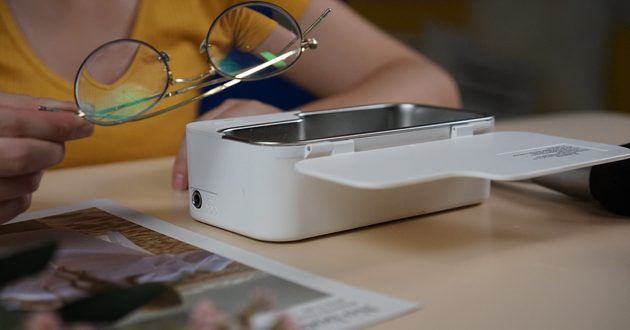
Still have questions about choosing the right model? Contact our team for guidance.
The right ultrasonic glasses cleaner depends on the application environment, cleaning requirements and expected user experience.
For optical shops, consider workflow efficiency and service needs. For eyewear brands, consider customer experience and product care value. For both applications, factors such as capacity, frequency, operation convenience and compatibility should be evaluated together.
By understanding these factors and comparing suitable solutions such as GT SONIC ultrasonic cleaners, you can select equipment that better supports professional eyewear cleaning needs.
FAQ
What should optical shops consider when choosing an ultrasonic glasses cleaner?
Optical shops should consider cleaning frequency, eyewear types, available space, operation convenience and long-term usability. The best solution should fit daily service workflows instead of focusing only on individual specifications.
Can an ultrasonic glasses cleaner be used for coated lenses?
Compatibility depends on lens coating, material and manufacturer recommendations. Before cleaning special eyewear, confirm whether ultrasonic cleaning is appropriate for the specific product.
What makes a professional glasses cleaning machine different from a basic cleaner?
A professional solution usually focuses on stable operation, convenient workflow, suitable cleaning performance and better support for repeated use scenarios.
Why consider GT SONIC ultrasonic cleaner solutions for eyewear applications?
GT SONIC provides ultrasonic cleaning solutions designed for different application requirements. Users can evaluate products according to cleaning needs, specifications and usage environments.


