Introduction to Low-noise Ultrasonic Glasses Cleaner: Operating Below 60 Decibels
Author: Zoey
Date: 2025-10-09
Read: 5min
Last updated: 2026-04-15
Maintaining your glasses can often be a hassle, especially when it comes to cleaning them effectively without causing scratches or damage. Ultrasonic glasses cleaners offer a fantastic solution by utilizing sound waves to remove dirt and oil from lenses and frames, providing a deeper clean than traditional methods. However, the noise generated by some ultrasonic cleaners can be distracting, especially if you need to use it in a quiet environment. This blog explores the benefits of low-noise ultrasonic glasses cleaners, specifically models that operate below 60 decibels.
What is an Ultrasonic Glasses Cleaner?
-Do ultrasonic glasses cleaner work?
-How to clean glasses with ultrasonic cleaner?
Why Choose an ultrasonic cleaner for glasses Below 60 Decibels?
-What is the advantage of using the best ultrasonic cleaner for glasses?
-Noise Below 60 Decibels VS. traditional ultrasonic cleaning machine
How Does a Low-Noise glasses cleaner ultrasonic Work?
-Are all ultrasonic cleaners noisy?
-How many dB is an ultrasonic cleaner?
Choosing the Right Low-Noise ultrasonic glasses cleaning machine
-Ultrasonic cleaner supplier
-Ultrasonic cleaning machine price
-Ultrasonic cleaning machine specifications
Why GTSONIC low noise glasses ultrasonic cleaning machine is a must-have for glasses care?
FAQs
What is an Ultrasonic Glasses Cleaner?
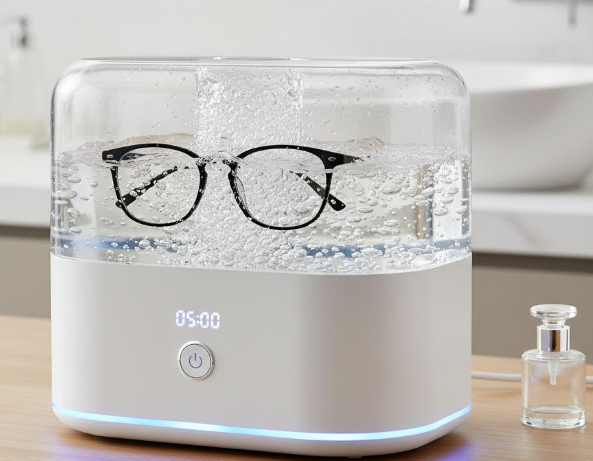
An ultrasonic glasses cleaner is a device that uses ultrasonic waves to clean eyeglasses. The ultrasonic waves create rapid pressure changes in a cleaning solution, forming tiny bubbles (known as cavitation) that scrub the surface of the lenses and frames without direct contact. This gentle but effective method removes dust, dirt, oils, and other residues from areas that are hard to reach with a cloth or wipe.
Do Ultrasonic Glasses Cleaners Work?
Yes, ultrasonic cleaners are highly effective at cleaning glasses. They work by producing ultrasonic sound waves that create millions of tiny bubbles in the cleaning solution. These bubbles implode on the surface of the glasses, dislodging dirt, oil, and grime, even from intricate areas like hinges or corners. Since the process doesn’t involve direct friction, it is safe for even delicate lenses, including those with coatings such as anti-reflective or scratch-resistant layers.
How to Clean Glasses with an Ultrasonic Cleaner?
Cleaning your glasses with an ultrasonic cleaner is simple and efficient:
1.Fill the Tank: Pour a mixture of water and ultrasonic cleaning solution (usually mild detergent) into the machine’s tank. Make sure the solution is appropriate for eyeglass cleaning.
2.Place Your Glasses: Put your glasses into the mesh basket or holder, ensuring they are fully submerged in the solution.
3.Start the Machine: Turn on the cleaner and set the timer (usually 3 to 10 minutes, depending on the level of dirt).
4.Dry Your Glasses: Once the cycle is finished, remove your glasses and dry them with a clean, soft cloth.
This quick process ensures your glasses are clean and free of contaminants without risking damage.
Why Choose an Ultrasonic Cleaner for Glasses Below 60 Decibels?
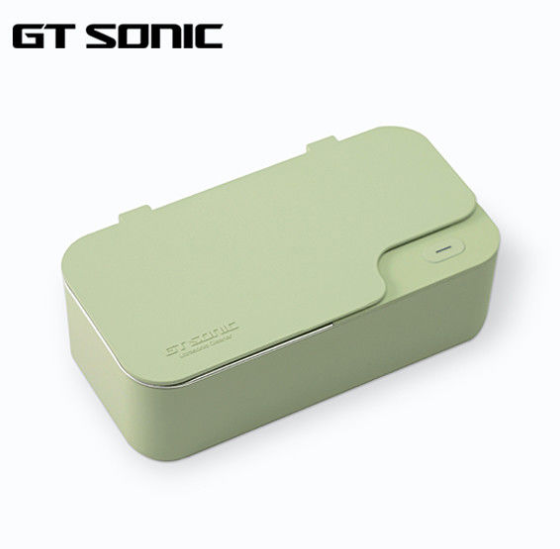
The noise level of an ultrasonic cleaner can be a significant factor in whether it’s suitable for your needs. Ultrasonic cleaners typically operate at noise levels between 60-80 decibels, but many models designed for home use now offer quieter options that operate below 60 decibels. These lower-noise cleaners are ideal for quiet environments such as offices or homes, where noise levels can be a concern.
What is the Advantage of Using the Best Ultrasonic Cleaner for Glasses?
The primary advantage of using an ultrasonic cleaner for glasses is the high-quality cleaning it provides. It reaches areas that are often missed with manual cleaning, such as the small crevices around the frames or lenses. Unlike using cloths, which may leave behind dust or oils, ultrasonic cleaners provide a deep, consistent clean with minimal effort.
Additionally, the gentle action of ultrasonic cleaning reduces the risk of scratching or damaging your glasses, which is often a concern with traditional cleaning methods.
Noise Below 60 Decibels vs. Traditional Ultrasonic Cleaning Machine
Ultrasonic cleaners can generate a significant amount of noise during operation. Traditional ultrasonic cleaning machines often emit noise levels between 70-80 decibels, which can be compared to the sound of a vacuum cleaner or a washing machine. For many people, this noise level is disruptive, especially in quieter spaces.
Low-noise ultrasonic glasses cleaners, operating at below 60 decibels, are quieter and more pleasant to use in daily life. At this noise level, the cleaner is roughly as loud as a normal conversation or soft background music, making it much more suitable for home or office use without disturbing others.
How Does a Low-Noise Glasses Cleaner Ultrasonic Work?
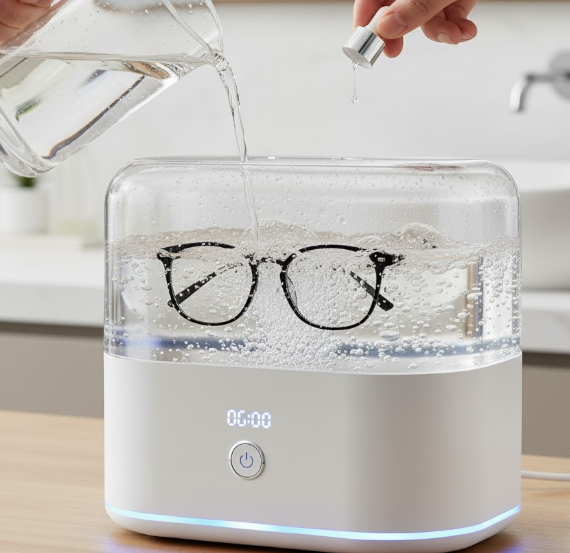
A low-noise ultrasonic glasses cleaner works by utilizing the same principle as traditional ultrasonic cleaners—high-frequency sound waves that create cavitation in the cleaning solution. However, special design features and technology allow these models to operate more quietly.
Are All Ultrasonic Cleaners Noisy?
Not all ultrasonic cleaners are noisy. The noise level depends on the design of the ultrasonic transducers, the material of the tank, and the overall construction of the cleaner. High-end models designed for home use often come with noise-dampening features like insulated casings, quieter transducers, and optimized frequencies to reduce the decibel levels during operation.
How Many dB is an Ultrasonic Cleaner?
Most ultrasonic cleaners typically operate in the 60–80 dB range, with the actual noise level influenced by factors such as tank size, ultrasonic frequency, power output, and whether the unit has sound-dampening housing, but models designed for home or office use can operate at lower levels. A low-noise ultrasonic cleaner will operate below 60 dB, which is quieter than a normal conversation (around 60 dB) and closer to background noise levels, making it less likely to disturb your environment.
Choosing the Right Low-Noise Ultrasonic Glasses Cleaning Machine
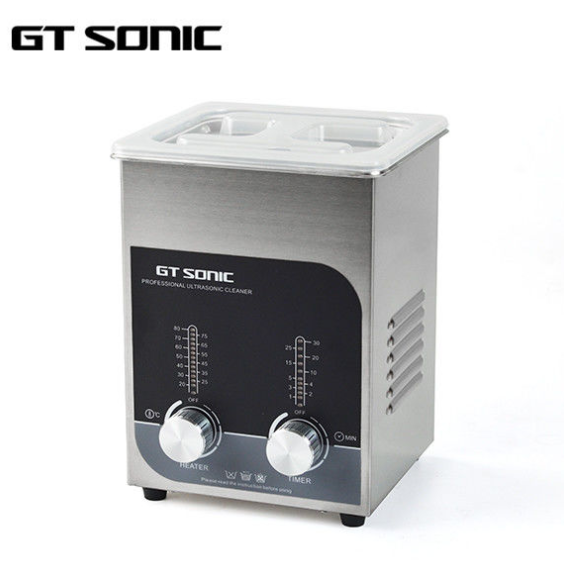
Selecting the right low-noise ultrasonic cleaner can be a challenge, but focusing on key features can help you find the best model for your needs.
Ultrasonic Cleaner Supplier
Here are three well-known suppliers of ultrasonic cleaning machines that offer models with low-noise capabilities:
1.GTSONIC: Known for its reliable and effective ultrasonic cleaners, GTSONIC offers a range of models with noise levels below 60 dB. Their devices are highly regarded for their durable construction and quiet operation.
2.iSonic: iSonic is another trusted name in ultrasonic cleaners, offering a variety of models for different cleaning needs. Their low-noise models are compact and efficient, ideal for household use.
3.Magnasonic: Magnasonic's ultrasonic cleaners are well-reviewed for their quiet operation and affordability. Their models, like the MGUC500, operate under 60 dB and are excellent for cleaning glasses without the loud noise.
Ultrasonic Cleaning Machine Price
Prices for ultrasonic cleaners vary depending on their features and brand. Generally, low-noise ultrasonic cleaners for glasses range from $30 to $200. Entry-level models might cost around $30-$50, while mid-range options with advanced features (like larger tanks and longer cleaning cycles) may cost $100 or more. Higher-end models with enhanced features and ultra-low-noise technology can go beyond $200.
Ultrasonic Cleaning Machine Specifications
When choosing an ultrasonic cleaner, consider the following specifications:
1.Frequency: The most common frequency range for glasses cleaners is between 40 kHz and 60 kHz. Higher frequencies tend to clean more effectively but may be quieter and gentler.
2.Capacity: Consider how many glasses you typically need to clean at once. Larger models can handle multiple pairs, while smaller models are more compact.
3.Noise Level: Look for a model that operates below 60 dB for a quieter experience.
4.Timer Settings: A model with an adjustable timer allows you to set the cleaning time based on the level of dirt on your glasses.
Why GTSONIC Low-Noise Glasses Ultrasonic Cleaning Machine is a Must-Have for Glasses Care?
GTSONIC’s low-noise ultrasonic cleaning machine is an excellent choice for those looking for both high performance and quiet operation. It operates below 60 dB, ensuring that it won’t disturb your surroundings while still providing an efficient and deep clean. With its compact design, durable build, and ease of use, it’s perfect for both home and office use.
Key features of the GTSONIC low-noise model include:
1.Quiet Operation: Runs at less than 60 dB, ideal for quiet environments.
2.Effective Cleaning: Uses high-frequency ultrasonic waves to clean your glasses thoroughly.
3.Easy to Use: Simple interface with adjustable time and power settings.
4.Durable and Reliable: Made with high-quality materials to ensure longevity.
Investing in a GTSONIC low-noise ultrasonic cleaner ensures your glasses are always spotless without the hassle of loud noise.
GT SONIC
Looking for a Reliable Ultrasonic Cleaning Solution?
Contact GT SONIC for product consultation, OEM/ODM customization, and wholesale support for ultrasonic cleaning solutions for a wide range of applications.
Contact Us Now ›
FAQs
1. What is a low-noise ultrasonic glasses cleaner?
A low-noise ultrasonic glasses cleaner is a device that uses ultrasonic waves to remove dirt, oil, and debris from eyeglasses while operating at a quieter sound level, usually below 60 decibels. It is designed for users who want effective cleaning with less disturbance in home or office settings.
2. Are ultrasonic glasses cleaners below 60 dB quiet enough for office or home use?
In most cases, yes. Models operating below 60 dB are generally more comfortable for daily use in quiet environments than traditional ultrasonic cleaners with higher noise output.
3. Do low-noise ultrasonic glasses cleaners still clean effectively?
Yes. A low-noise model can still provide deep cleaning for glasses by using ultrasonic cavitation to remove oil, dust, and grime from lenses, hinges, and frame corners. The quieter operation does not mean it cannot clean effectively when the machine is properly designed.
4. How long should I clean eyeglasses in a low-noise ultrasonic cleaner?
For most eyeglasses, a short cleaning cycle of about 3 to 5 minutes is usually enough. If the glasses are especially dirty, follow the machine’s instructions and avoid unnecessarily long cycles.
5. Is a low-noise ultrasonic cleaner safe for prescription and coated glasses?
It can be safe for many prescription glasses when used correctly with a suitable cleaning solution. Users should still be careful with damaged coatings, fragile frames, or eyewear with special finishes, and follow the care guidance for their lenses.
6. What features should I look for in a low-noise ultrasonic glasses cleaner?
Key features include a noise level below 60 dB, a suitable tank size, stable cleaning frequency, simple timer controls, and durable construction. For home users, a compact machine with easy operation is often the most practical choice.
7. Why choose a low-noise ultrasonic glasses cleaner instead of a traditional model?
A low-noise model offers a more comfortable user experience in quiet places while still giving you the convenience of automatic deep cleaning. It is especially suitable for homes, offices, or users who clean glasses regularly and prefer less noise during operation.
By choosing a low-noise ultrasonic glasses cleaner, you can enjoy the convenience of a quick, effective cleaning process without the annoyance of loud noise. Whether you’re at home, in the office, or on the go, these quieter models ensure that your glasses stay clean without disrupting your environment.


