banner

News Details

Events
Contact Us
GT SONIC
0086-75523356715
Contact Now

How Does an Ultrasonic Glasses Cleaner Work?Safe Use, Best Liquid & Cleaning Time

Author: Zoey Date: 2025-09-02 Read: 5min

Last updated: April 15, 2026

Quick Answer
An ultrasonic glasses cleaner works by using high-frequency sound waves in a water-based cleaning solution. These waves create microscopic cavitation bubbles that loosen oil, dust, and debris from hinges, nose pads, and frame crevices. For most everyday eyeglasses, a short 3–5 minute cycle with a mild, lens-safe solution is usually enough. Avoid harsh chemicals, and check coated or delicate frames before cleaning.

How it works Cavitation bubbles remove debris from hard-to-reach areas.
Best liquid Water with a mild lens-safe cleaner or ultrasonic solution.
Typical cleaning time 3–5 minutes.
Best for Hinges, nose pads, frame crevices, and light daily buildup.
Use caution with Damaged coatings, loose frames, and fragile vintage eyewear.

What is an glasses cleaning ultrasonic?

-What is the principal of cleaner ultrasonic?

-What liquid to use in ultrasonic cleaning machine?

-Ultrasonic Glasses Cleaning vs Traditional Cleaning

What are the different types of ultrasonic cleaners?

-Cleaning glasses ultrasonic with timer

-Low noise ultrasonic cleaner for glasses

-Energy-saving ultrasonic glasses cleaner

Best ultrasonic cleaner for glassesA Buyer's Guide for 2026

Frequently Asked Questions(FAQ)

Conclusion

summary
An ultrasonic glasses cleaner uses high-frequency sound waves to clean eyewear gently and efficiently. By creating microscopic cavitation bubbles in a cleaning solution, it helps remove oil, dust, and debris from hard-to-reach areas such as hinges, nose pads, and frame edges. In this guide, you’ll learn how ultrasonic cleaning works, what liquid to use, how long to clean glasses, and when ultrasonic cleaning is or isn’t recommended.

What is an Glasses Cleaning Ultrasonic?
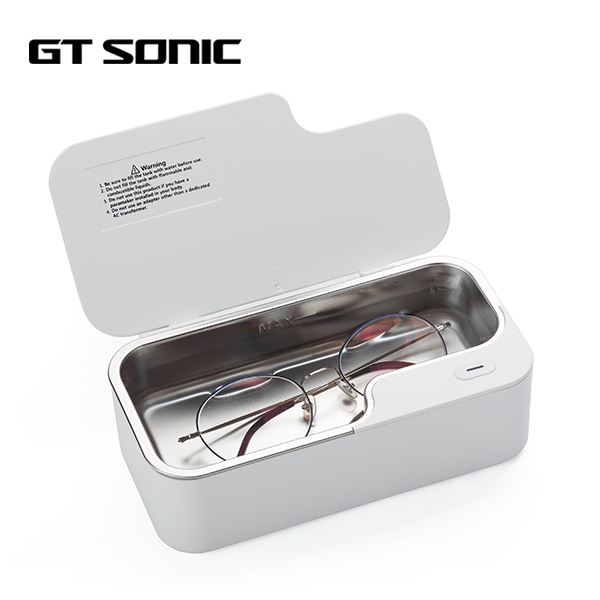
put glasses in an ultrasonic cleaner

What is the Principle of cleaner ultrasonic?

An ultrasonic cleaner works by using high-frequency sound waves (typically above 20 kHz) to create rapid vibrations in a liquid. These vibrations form microscopic bubbles that implode when they collapse, creating a process called cavitation. The force generated by the collapsing bubbles produces a scrubbing action, which helps to dislodge dirt, oil, and other contaminants from the surface of your glasses.

This cleaning method is gentle but powerful, allowing ultrasonic cleaners to effectively clean even hard-to-reach areas like the hinges, nose pads, and the edges of the lenses, which are difficult to reach using traditional cleaning methods.

What liquid to use in ultrasonic cleaning machine?

The type of cleaning liquid used in an ultrasonic cleaner is important to achieve optimal results. You can use a mild detergent mixed with water or a specialized ultrasonic cleaning solution. Many ultrasonic cleaners are sold with a recommended cleaning solution that enhances the cavitation process.

Avoid using harsh chemicals, as they could damage the coating or material of your glasses. A pH-balanced solution ensures the lenses remain safe while still being thoroughly cleaned. Some ultrasonic cleaners even have a built-in filter to keep the cleaning solution fresh for multiple uses.

Ultrasonic Glasses Cleaning vs Traditional Cleaning
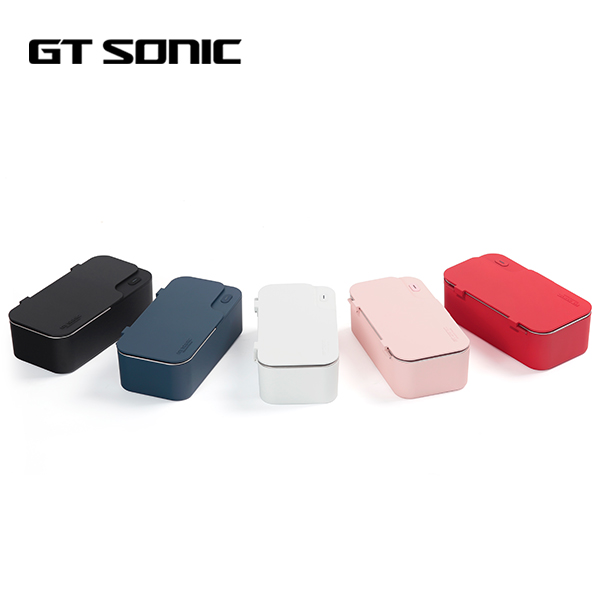
Ultrasonic Glasses Cleaning vs Traditional Cleaning

When it comes to cleaning your glasses, traditional methods such as wiping with a cloth or using spray cleaners are common. However, these methods are often less effective at removing oil, grease, and grime, especially in intricate areas.

Ultrasonic cleaners, on the other hand, provide a much more thorough cleaning. The ultrasonic waves can remove dirt that may otherwise be difficult to reach with a cloth or cleaning solution. Since ultrasonic cleaning is a non-contact method, Because ultrasonic cleaning reduces direct rubbing, it may help lower the risk of scratches when used correctly with a mild, lens-safe solution., which is a common concern with traditional cleaning techniques.

What are the Different Types of Ultrasonic Cleaners?
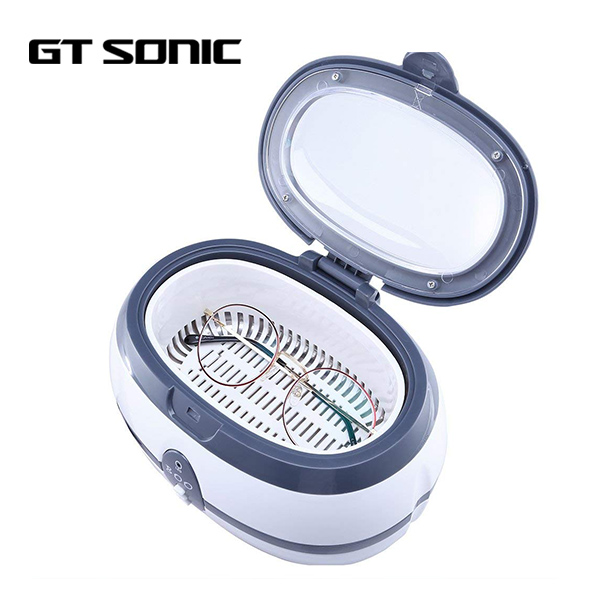
Different Types of Ultrasonic Cleaners

cleaning glasses ultrasonic with timer

A timer-based ultrasonic cleaner allows you to set the exact cleaning duration, which ensures optimal cleaning without overexposing your glasses to the ultrasonic waves. Most models have timer settings ranging from 1 to 10 minutes. This feature ensures that your glasses are cleaned consistently and prevents accidental damage from excessive cavitation.

Low noise ultrasonic cleaner for glasses

Traditional ultrasonic cleaners can sometimes be noisy due to the high-frequency vibrations. For those who prefer a quieter cleaning experience, low-noise ultrasonic cleaners are available. These devices are designed to operate at a reduced noise level while still providing the same powerful cleaning.

Energy-saving ultrasonic glasses cleaner

Energy-saving ultrasonic cleaners are designed to use less electricity, making them an eco-friendly option. These cleaners often come with features like automatic shutoff and efficient heating, ensuring that they provide excellent cleaning performance while being energy-efficient. If you’re looking to minimize energy usage, these models are a great choice.

Best Ultrasonic Cleaner for Glasses: A Buyer’s Guide for 2026

When choosing the best ultrasonic cleaner for glasses, there are several factors to consider. Here’s a helpful guide:
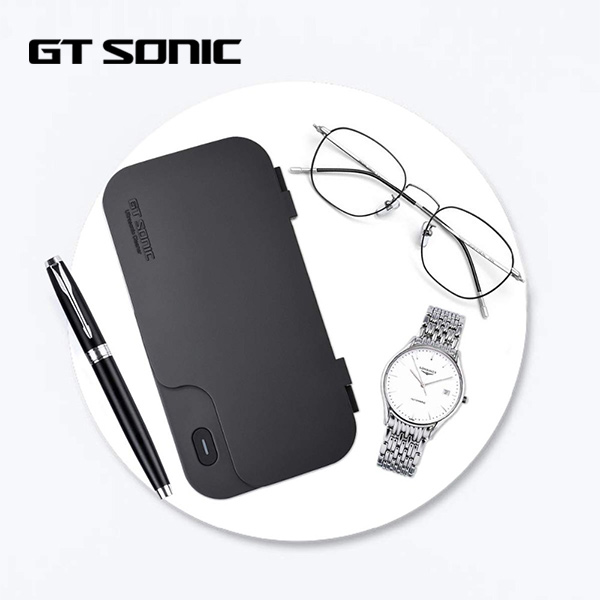
Best Ultrasonic Cleaner for Glasses

1. Cleaning Power

The cleaning power of an ultrasonic cleaner is determined by its frequency and the strength of the ultrasonic waves. Higher frequencies (40 kHz to 50 kHz) are usually more effective at reaching smaller crevices and removing stubborn dirt. Ensure the cleaner you choose has enough power to thoroughly clean your glasses.

2. Size and Capacity

Choose a cleaner that can accommodate your eyewear comfortably. If you wear larger glasses or have multiple pairs, consider a model with a larger tank. A bigger tank can also clean several pairs of glasses at once, making it ideal for families or businesses.

3. Timer and Settings

Many ultrasonic glasses cleaners come with adjustable timers, which allow you to control how long the cleaning process lasts. A model with a timer will give you more control over the cleaning process and help prevent overexposure to the ultrasonic waves.

4. Noise Level

If noise is a concern, opt for a low-noise ultrasonic cleaner. These models provide the same powerful cleaning but operate more quietly, making them ideal for noise-sensitive environments.

5. Build Quality and Durability

Stainless steel tanks are durable, corrosion-resistant, and easy to clean. They are the best option for long-term use. Avoid plastic tanks, as they are more prone to damage over time.

6. Price and Warranty

Ultrasonic cleaners come in a wide range of prices. Higher-end models may offer additional features like higher frequencies, more robust cleaning solutions, and advanced controls. Be sure to check the warranty, as it can provide peace of mind in case of defects or issues with the device.

Looking for a Custom Ultrasonic Glasses Cleaner Solution?

Frequently Asked Questions (FAQs)

Ultrasonic glasses cleaner for everyday eyewear cleaning

1.Do ultrasonic glasses cleaners really work?

Yes. Ultrasonic glasses cleaners use high-frequency sound waves to create microscopic cavitation bubbles in a cleaning solution. These bubbles help loosen oil, dust, and debris from hard-to-reach areas such as hinges, nose pads, and frame edges.

2.What liquid should I use in an ultrasonic glasses cleaner?

For most everyday eyeglasses, use water with a mild lens-safe cleaner or a cleaning solution designed for ultrasonic cleaning. Avoid harsh chemicals, bleach, and strong solvents, especially on coated lenses and delicate frames.

3.How long should I clean glasses in an ultrasonic cleaner?

A typical cleaning cycle for everyday glasses is about 3 to 5 minutes. Heavily soiled frames may need a little longer, but overcleaning should be avoided, especially for delicate or coated eyewear.

4.Is it safe to put glasses in an ultrasonic cleaner?

It can be safe for many types of eyewear when used correctly with a mild cleaning solution. However, glasses with damaged coatings, loose hinges, cracked frames, or fragile materials should be checked carefully before ultrasonic cleaning.

5.What parts of glasses benefit most from ultrasonic cleaning?

Ultrasonic cleaning is especially useful for hinges, nose pads, screws, frame corners, and other small crevices where dirt, skin oil, and debris can build up over time.

6.Can an ultrasonic glasses cleaner remove scratches from lenses?

No. Ultrasonic cleaning can remove dirt and residue, but it cannot repair scratches, worn coatings, or physical damage on lenses or frames.

7.When should you avoid ultrasonic cleaning for glasses?

Avoid ultrasonic cleaning if the glasses have visibly damaged coatings, loose parts, cracked frames, or fragile vintage materials. When in doubt, check the manufacturer’s care instructions before cleaning.

8.Is an ultrasonic glasses cleaner better than manual cleaning?

It depends on the cleaning need. Ultrasonic cleaning is better for removing debris from hard-to-reach areas, while manual cleaning is still useful for quick daily maintenance and drying after cleaning.

Conclusion

An ultrasonic glasses cleaner offers a quick, efficient, and gentle way to clean your eyewear, providing a deeper clean than traditional methods. By using high-frequency sound waves, these devices can remove even the most stubborn dirt and oil from hard-to-reach areas. When choosing the right ultrasonic cleaner, consider factors like cleaning power, noise level, and build quality. With a variety of models available, including energy-saving and low-noise options, there’s an ultrasonic cleaner to suit every need. For the best results in 2025, check out leading brands like GTSONIC, known for their reliable and high-performance ultrasonic cleaners.


banner
News Details

How Does an Ultrasonic Glasses Cleaner Work?Safe Use, Best Liquid & Cleaning Time

2026-04-15

An ultrasonic glasses cleaner uses sound waves to clean your eyewear gently and effectively. Unlike traditional cleaning methods, ultrasonic cleaners reach even the smallest areas of your glasses, ensuring a deep, scratch-free clean.

Last updated: April 15, 2026

Quick Answer
An ultrasonic glasses cleaner works by using high-frequency sound waves in a water-based cleaning solution. These waves create microscopic cavitation bubbles that loosen oil, dust, and debris from hinges, nose pads, and frame crevices. For most everyday eyeglasses, a short 3–5 minute cycle with a mild, lens-safe solution is usually enough. Avoid harsh chemicals, and check coated or delicate frames before cleaning.

How it works Cavitation bubbles remove debris from hard-to-reach areas.
Best liquid Water with a mild lens-safe cleaner or ultrasonic solution.
Typical cleaning time 3–5 minutes.
Best for Hinges, nose pads, frame crevices, and light daily buildup.
Use caution with Damaged coatings, loose frames, and fragile vintage eyewear.

What is an glasses cleaning ultrasonic?

-What is the principal of cleaner ultrasonic?

-What liquid to use in ultrasonic cleaning machine?

-Ultrasonic Glasses Cleaning vs Traditional Cleaning

What are the different types of ultrasonic cleaners?

-Cleaning glasses ultrasonic with timer

-Low noise ultrasonic cleaner for glasses

-Energy-saving ultrasonic glasses cleaner

Best ultrasonic cleaner for glassesA Buyer's Guide for 2026

Frequently Asked Questions(FAQ)

Conclusion

summary
An ultrasonic glasses cleaner uses high-frequency sound waves to clean eyewear gently and efficiently. By creating microscopic cavitation bubbles in a cleaning solution, it helps remove oil, dust, and debris from hard-to-reach areas such as hinges, nose pads, and frame edges. In this guide, you’ll learn how ultrasonic cleaning works, what liquid to use, how long to clean glasses, and when ultrasonic cleaning is or isn’t recommended.

What is an Glasses Cleaning Ultrasonic?

put glasses in an ultrasonic cleaner

What is the Principle of cleaner ultrasonic?

An ultrasonic cleaner works by using high-frequency sound waves (typically above 20 kHz) to create rapid vibrations in a liquid. These vibrations form microscopic bubbles that implode when they collapse, creating a process called cavitation. The force generated by the collapsing bubbles produces a scrubbing action, which helps to dislodge dirt, oil, and other contaminants from the surface of your glasses.

This cleaning method is gentle but powerful, allowing ultrasonic cleaners to effectively clean even hard-to-reach areas like the hinges, nose pads, and the edges of the lenses, which are difficult to reach using traditional cleaning methods.

What liquid to use in ultrasonic cleaning machine?

The type of cleaning liquid used in an ultrasonic cleaner is important to achieve optimal results. You can use a mild detergent mixed with water or a specialized ultrasonic cleaning solution. Many ultrasonic cleaners are sold with a recommended cleaning solution that enhances the cavitation process.

Avoid using harsh chemicals, as they could damage the coating or material of your glasses. A pH-balanced solution ensures the lenses remain safe while still being thoroughly cleaned. Some ultrasonic cleaners even have a built-in filter to keep the cleaning solution fresh for multiple uses.

Ultrasonic Glasses Cleaning vs Traditional Cleaning

Ultrasonic Glasses Cleaning vs Traditional Cleaning

When it comes to cleaning your glasses, traditional methods such as wiping with a cloth or using spray cleaners are common. However, these methods are often less effective at removing oil, grease, and grime, especially in intricate areas.

Ultrasonic cleaners, on the other hand, provide a much more thorough cleaning. The ultrasonic waves can remove dirt that may otherwise be difficult to reach with a cloth or cleaning solution. Since ultrasonic cleaning is a non-contact method, Because ultrasonic cleaning reduces direct rubbing, it may help lower the risk of scratches when used correctly with a mild, lens-safe solution., which is a common concern with traditional cleaning techniques.

What are the Different Types of Ultrasonic Cleaners?

Different Types of Ultrasonic Cleaners

cleaning glasses ultrasonic with timer

A timer-based ultrasonic cleaner allows you to set the exact cleaning duration, which ensures optimal cleaning without overexposing your glasses to the ultrasonic waves. Most models have timer settings ranging from 1 to 10 minutes. This feature ensures that your glasses are cleaned consistently and prevents accidental damage from excessive cavitation.

Low noise ultrasonic cleaner for glasses

Traditional ultrasonic cleaners can sometimes be noisy due to the high-frequency vibrations. For those who prefer a quieter cleaning experience, low-noise ultrasonic cleaners are available. These devices are designed to operate at a reduced noise level while still providing the same powerful cleaning.

Energy-saving ultrasonic glasses cleaner

Energy-saving ultrasonic cleaners are designed to use less electricity, making them an eco-friendly option. These cleaners often come with features like automatic shutoff and efficient heating, ensuring that they provide excellent cleaning performance while being energy-efficient. If you’re looking to minimize energy usage, these models are a great choice.

Best Ultrasonic Cleaner for Glasses: A Buyer’s Guide for 2026

When choosing the best ultrasonic cleaner for glasses, there are several factors to consider. Here’s a helpful guide:

Best Ultrasonic Cleaner for Glasses

1. Cleaning Power

The cleaning power of an ultrasonic cleaner is determined by its frequency and the strength of the ultrasonic waves. Higher frequencies (40 kHz to 50 kHz) are usually more effective at reaching smaller crevices and removing stubborn dirt. Ensure the cleaner you choose has enough power to thoroughly clean your glasses.

2. Size and Capacity

Choose a cleaner that can accommodate your eyewear comfortably. If you wear larger glasses or have multiple pairs, consider a model with a larger tank. A bigger tank can also clean several pairs of glasses at once, making it ideal for families or businesses.

3. Timer and Settings

Many ultrasonic glasses cleaners come with adjustable timers, which allow you to control how long the cleaning process lasts. A model with a timer will give you more control over the cleaning process and help prevent overexposure to the ultrasonic waves.

4. Noise Level

If noise is a concern, opt for a low-noise ultrasonic cleaner. These models provide the same powerful cleaning but operate more quietly, making them ideal for noise-sensitive environments.

5. Build Quality and Durability

Stainless steel tanks are durable, corrosion-resistant, and easy to clean. They are the best option for long-term use. Avoid plastic tanks, as they are more prone to damage over time.

6. Price and Warranty

Ultrasonic cleaners come in a wide range of prices. Higher-end models may offer additional features like higher frequencies, more robust cleaning solutions, and advanced controls. Be sure to check the warranty, as it can provide peace of mind in case of defects or issues with the device.

Looking for a Custom Ultrasonic Glasses Cleaner Solution?

Contact Us Now

Frequently Asked Questions (FAQs)

Ultrasonic glasses cleaner for everyday eyewear cleaning

1.Do ultrasonic glasses cleaners really work?

Yes. Ultrasonic glasses cleaners use high-frequency sound waves to create microscopic cavitation bubbles in a cleaning solution. These bubbles help loosen oil, dust, and debris from hard-to-reach areas such as hinges, nose pads, and frame edges.

2.What liquid should I use in an ultrasonic glasses cleaner?

For most everyday eyeglasses, use water with a mild lens-safe cleaner or a cleaning solution designed for ultrasonic cleaning. Avoid harsh chemicals, bleach, and strong solvents, especially on coated lenses and delicate frames.

3.How long should I clean glasses in an ultrasonic cleaner?

A typical cleaning cycle for everyday glasses is about 3 to 5 minutes. Heavily soiled frames may need a little longer, but overcleaning should be avoided, especially for delicate or coated eyewear.

4.Is it safe to put glasses in an ultrasonic cleaner?

It can be safe for many types of eyewear when used correctly with a mild cleaning solution. However, glasses with damaged coatings, loose hinges, cracked frames, or fragile materials should be checked carefully before ultrasonic cleaning.

5.What parts of glasses benefit most from ultrasonic cleaning?

Ultrasonic cleaning is especially useful for hinges, nose pads, screws, frame corners, and other small crevices where dirt, skin oil, and debris can build up over time.

6.Can an ultrasonic glasses cleaner remove scratches from lenses?

No. Ultrasonic cleaning can remove dirt and residue, but it cannot repair scratches, worn coatings, or physical damage on lenses or frames.

7.When should you avoid ultrasonic cleaning for glasses?

Avoid ultrasonic cleaning if the glasses have visibly damaged coatings, loose parts, cracked frames, or fragile vintage materials. When in doubt, check the manufacturer’s care instructions before cleaning.

8.Is an ultrasonic glasses cleaner better than manual cleaning?

It depends on the cleaning need. Ultrasonic cleaning is better for removing debris from hard-to-reach areas, while manual cleaning is still useful for quick daily maintenance and drying after cleaning.

Conclusion

An ultrasonic glasses cleaner offers a quick, efficient, and gentle way to clean your eyewear, providing a deeper clean than traditional methods. By using high-frequency sound waves, these devices can remove even the most stubborn dirt and oil from hard-to-reach areas. When choosing the right ultrasonic cleaner, consider factors like cleaning power, noise level, and build quality. With a variety of models available, including energy-saving and low-noise options, there’s an ultrasonic cleaner to suit every need. For the best results in 2025, check out leading brands like GTSONIC, known for their reliable and high-performance ultrasonic cleaners.