banner

News Details

Events
Contact Us
GT SONIC
0086-75523356715
Contact Now

How Dental Clinics Choose an Ultrasonic Cleaner in 2026: For Instruments, Dentures and Retainers

Author: Zoey Date: 2026-03-30 Read: 5min

Quick Answer:

Dental clinics choose an Ultrasonic Cleaner based on what they need to clean, how often they use it, and how well it fits daily workflow. For most clinics, the right machine should handle instruments, dentures, and retainers with stable performance, simple operation, and suitable cleaning settings.


Key Takeaways:

Dental instruments: focus on efficient pre-sterilization cleaning

Dentures: need gentle and thorough daily cleaning

Retainers: require short, controlled cleaning cycles

Tank size and timer: should match clinic workload

The best Ultrasonic Cleaner is the one that fits real dental clinic use


Table of Contents

-Why Dental Clinics Still Rely on Ultrasonic Cleaning

-Instruments, Dentures, and Retainers: Three Different Cleaning Needs

-How to Choose the Right Ultrasonic Dental Cleaning Machine

-What an Ideal GT Ultrasonic Cleaner Setup Should Support

-Common Questions Clinics and Patients Ask

-Final Buying Checklist for 2026


Summary
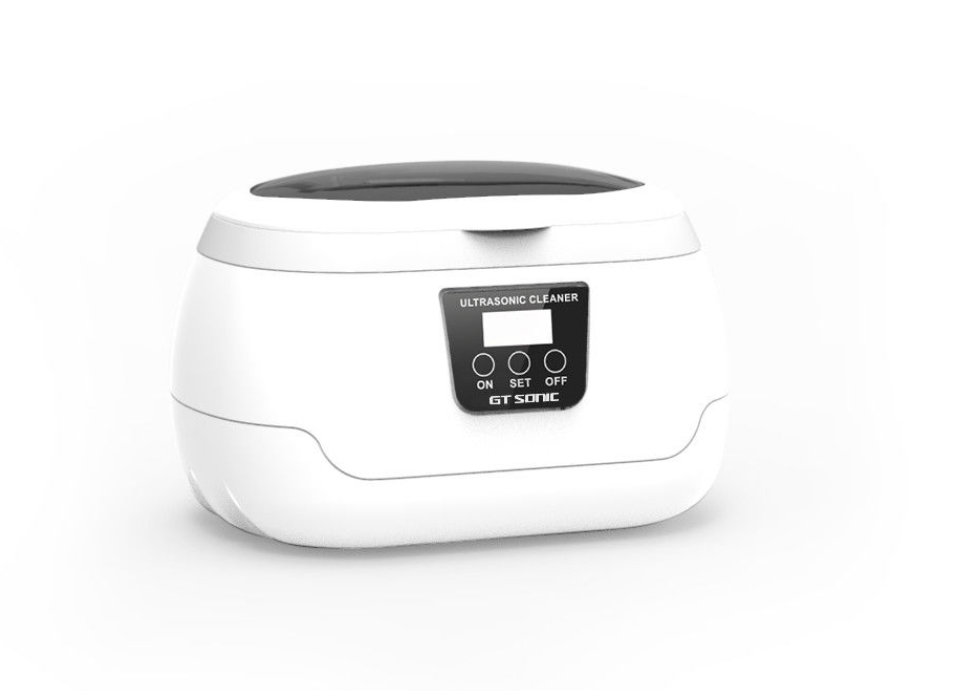
 

Choosing the right Ultrasonic Cleaner for a dental clinic is no longer just about tank size or price. In 2026, clinics are expected to balance infection-control workflow, appliance care, patient experience, and staff efficiency. The best system is one that matches real use cases: reusable instruments in the sterilization area, removable dentures in prosthetic or patient-care workflows, and retainers or mouth guards that need gentle but thorough cleaning. This article explains how clinics can evaluate a dental clinic ultrasonic cleaner with a practical.


Why Dental Clinics Still Rely on Ultrasonic Cleaning
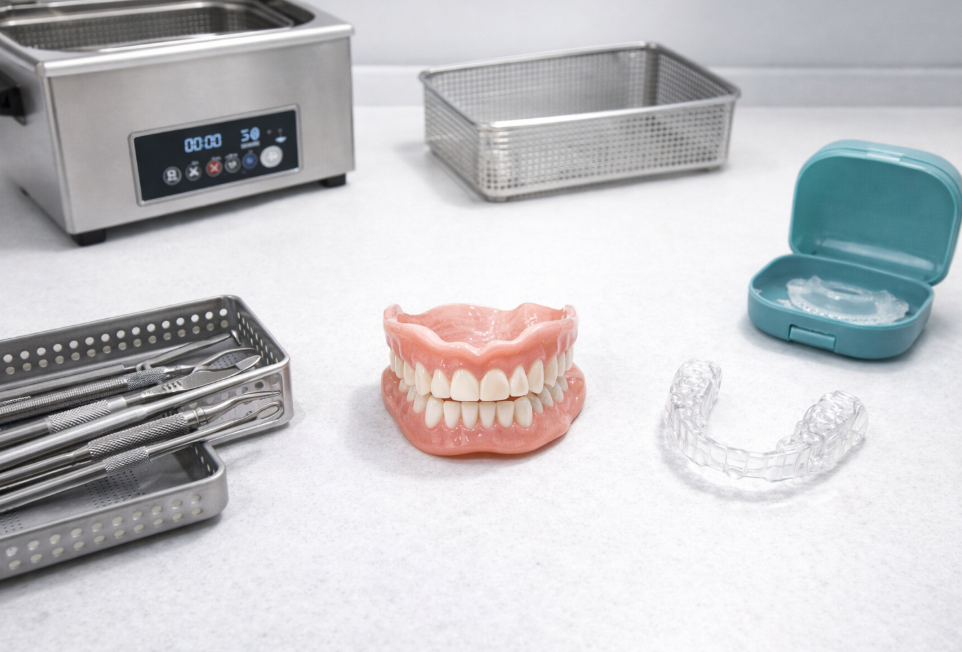
 

Dental clinics continue to use Ultrasonic Cleaner systems because they solve a real operational problem: complex items are difficult to clean well by hand, and manual scrubbing increases handling of contaminated instruments. The CDC states that cleaning must occur before disinfection or sterilization and specifically recommends automated cleaning equipment such as ultrasonic cleaners to improve cleaning effectiveness and reduce worker exposure to blood. That makes the ultrasonic cleaner for dental instruments an important part of modern reprocessing workflow, especially in busy practices.

Why this matters in a 2026 clinic

A modern clinic may process hand instruments, scaler tips, impression accessories, removable prosthetics, orthodontic appliances, and lab-related items in the same day. The challenge is not just “cleaning.” It is standardized cleaning, staff protection, and reducing variability between operators. Older hand-wash-heavy processes can be slow and inconsistent, while an organized commercial dental ultrasonic cleaner can help practices build repeatable procedures. This aligns with broader infection-prevention expectations in dentistry.

Important clarification: cleaning is not sterilization

One common search question is: “Does an ultrasonic cleaner sterilize dental instruments?” The answer is no. Ultrasonic cleaning removes debris and bioburden before final sterilization; it does not replace the sterilization step. That distinction is essential for both compliance and patient safety.


 Instruments, Dentures, and Retainers: Three Different Cleaning Needs
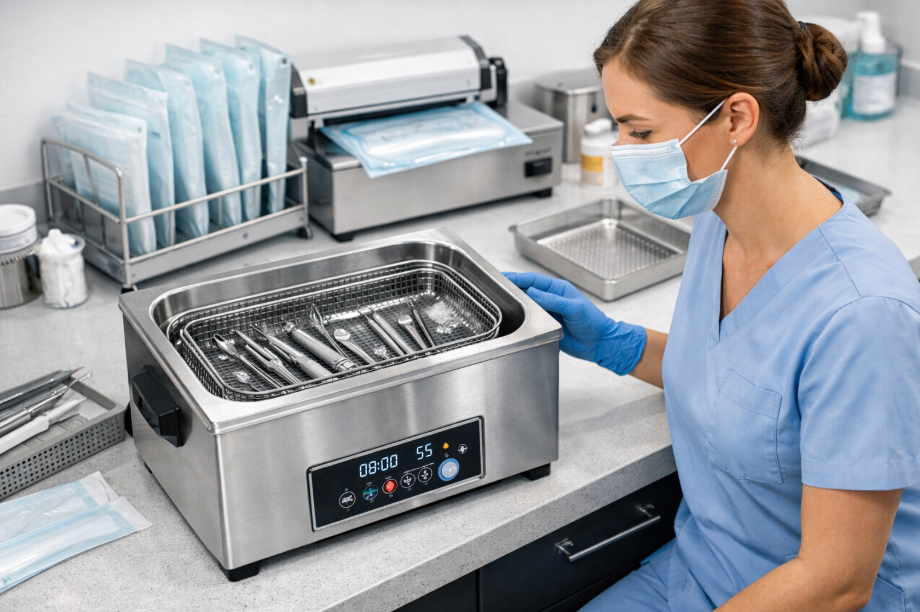
 

Many blog posts treat all dental applications as if they were the same. They are not. A clinic choosing an Ultrasonic Cleaner should first separate cleaning scenarios by item type.

1. Dental instruments: pre-sterilization efficiency

For instruments, the priority is debris removal, access to hinges and serrations, and reduced manual handling. The CDC recommends automated cleaning equipment for these tasks, and earlier published evidence found ultrasonic cleaning more effective than hand washing in reducing blood contamination on dental instruments.

Best fit: ultrasonic cleaner for dental instruments, dental ultrasonic cleaner, ultrasonic cleaner for dental lab

2. Dentures: biofilm control and patient hygiene support

Dentures need a different message. ADA guidance emphasizes daily cleaning, use of commercial denture cleansers, and following manufacturer instructions for soaking time. It also advises avoiding damaging agents such as bleach or abrasive household cleaners. In addition, a 2024 randomized crossover clinical trial reported that ultrasonic home-care cleaning combined with denture cleanser improved denture cleanliness and patient satisfaction more than conventional cleaning alone in the studied participants.

Best fit: ultrasonic cleaner for dentures

3. Retainers and mouth guards: gentle, frequent maintenance

Retainers and mouth guards are smaller, more personal-use items, but clinics often receive frequent patient questions about how to keep them clean. The American Association of Orthodontists advises rinsing retainers in lukewarm water, cleaning them daily, and avoiding hot water that can damage the appliance. That makes a short-cycle ultrasonic cleaner for retainers or ultrasonic cleaner for mouth guards appealing when paired with suitable cleaning chemistry and cautious handling.

 Cleaning Needs Comparison Table

Item type

Main goal

Cleaning priority

Typical clinic concern

Recommended positioning

Dental instruments

Remove debris before sterilization

Efficiency, safety, repeatability

Staff exposure, turnaround time

Sterilization / reprocessing area

Dentures

Reduce plaque, odor, visible buildup

Gentle but thorough cleaning

Patient hygiene support, removable prosthetics care

Treatment support / prosthetic workflow

Retainers & mouth guards

Daily maintenance and freshening

Material safety, quick cycle

Patient FAQs, delicate plastics

Chairside education / hygiene retail support


How to Choose the Right Ultrasonic Dental Cleaning Machine
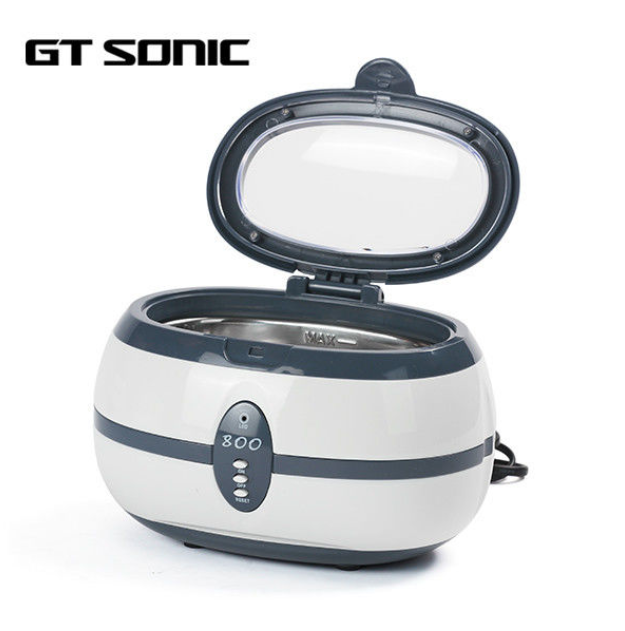
 

The best ultrasonic dental cleaning machine is not always the biggest or the cheapest. It is the one that matches clinic volume and the type of items cleaned most often.

1. Match tank capacity to actual workflow

A small clinic may only need a compact tank for limited daily batches, while a larger practice or dental lab ultrasonic cleaner setup may need higher throughput. The key is avoiding both overload and underuse. Overfilling can reduce cleaning consistency; oversized tanks may waste solution and counter space.

2. Look for timer control, not just “on/off”

One reason clinics prefer a professional Ultrasonic Cleaner is control. Educational guidance from GT Sonic notes that many common cleaning tasks fall within short timed ranges, and actual duration depends on soil level, solution, machine power, and frequency. A digital timer makes it easier to standardize short cycles for retainers and longer ones for more contaminated metal items.

3. Prioritize basket design and item separation

Items should not be piled together. Instruments with joints, hinges, or fine tips need proper placement. Separate baskets or holders help clinics organize loads and prevent contact damage. This is especially useful when a dental clinic ultrasonic cleaner is used for mixed daily tasks.

4. Choose solution compatibility carefully

Another common search question is: “Can I use only water in an ultrasonic cleaner?” In practice, water may help with loose dirt, but suitable cleaning solutions usually improve performance. GT Sonic’s educational guidance makes the same point, and ADA guidance for dentures also stresses using appropriate cleansers and following instructions.

5. Think about material safety

Retainers and certain prosthetic components should not be exposed to excessive heat or harsh chemicals. AAO says hot water can damage retainers, and ADA notes that some cleansers or household chemicals can damage dentures. A clinic selecting an ultrasonic cleaner for dentures or ultrasonic cleaner for retainers should therefore value gentle operation and clear SOPs, not just aggressive cleaning power.

Quick Evaluation Matrix

Buying factor

Why it matters

Best for

Digital timer

Supports repeatable cycles

All clinics

Appropriate tank size

Improves batch efficiency

General practice, lab

Basket / tray system

Protects items and improves exposure

Instruments, dentures

Solution compatibility

Better cleaning and material safety

Dentures, retainers, instruments

Easy drain / cleaning

Saves staff time

High-volume clinics

Clear SOP support

Helps standardization

Multi-staff practices


What an Ideal GT Ultrasonic Cleaner Setup Should Support
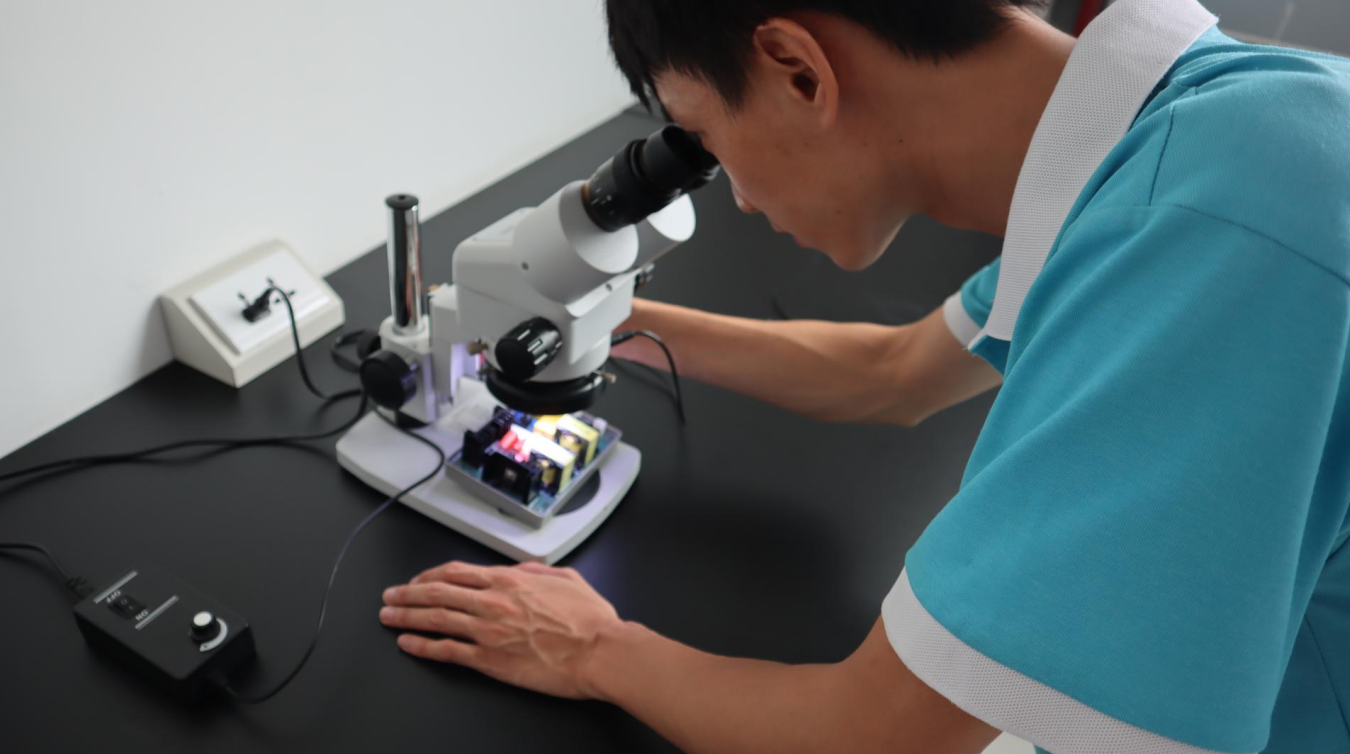
 

If a clinic is considering a GT Ultrasonic Cleaner, the strongest positioning is not simply brand mention. It is application fit. A practical GT setup should support the three real clinic use cases above: instrument pre-cleaning, denture cleaning support, and retainer or mouth-guard maintenance.

A strong brand message for dental buyers

A GT Ultrasonic Cleaner can be presented as a suitable option for clinics when it supports:

1.short and controlled cleaning cycles

2.user-friendly timer operation

3.different basket or tank options for varied item sizes

4.compatibility with suitable water-based cleaning solutions

5.easy integration into existing sterilization and hygiene workflow

That positioning is more credible than broad claims, because it matches how clinics actually compare equipment.

Example positioning sentence for the article
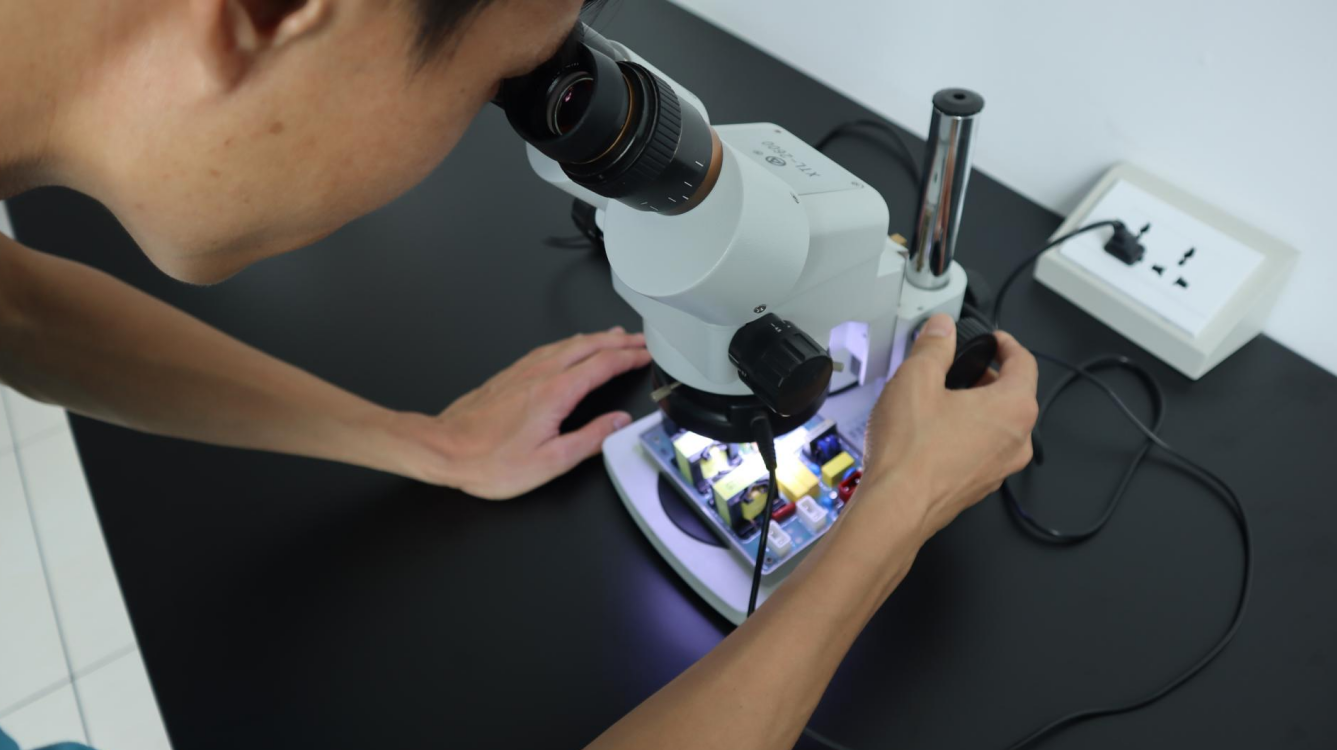
 

“For clinics looking for one flexible Ultrasonic Cleaner across multiple daily applications, a well-configured GT Ultrasonic Cleaner can support instrument pre-cleaning, removable denture care, and retainer maintenance with a more standardized workflow.”


Final Buying Checklist for 2026
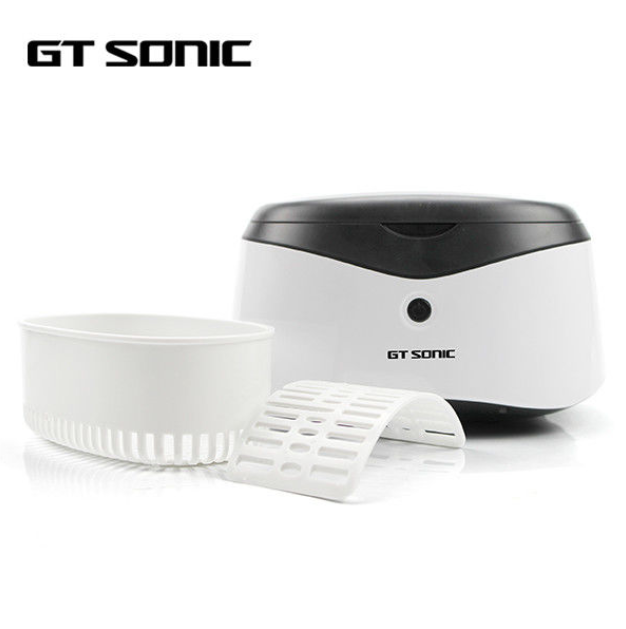
 

Before buying a dental ultrasonic cleaner, a clinic should ask:

1.Will this unit mainly clean instruments, appliances, or both?

2.Does the timer allow repeatable short and medium cycles?

3.Is the tank size right for daily load volume?

4.Can staff separate instruments safely in a basket?

5.Is the unit easy to drain, wipe, and maintain?

6.Are solutions and materials clearly matched to dentures, retainers, and metal instruments?

7.Can the clinic create a simple SOP around this machine?

In short, the best Ultrasonic Cleaner for a dental clinic in 2026 is the one that improves workflow, supports safe reprocessing habits, and adapts to different cleaning needs inside one practice. For buyers comparing brands, that is the real decision standard.

banner
News Details

How Dental Clinics Choose an Ultrasonic Cleaner in 2026: For Instruments, Dentures and Retainers

2026-03-30

Dental clinics choose an Ultrasonic Cleaner based on what they need to clean, how often they use it, and how well it fits daily workflow. For most clinics, the right machine should handle instruments, dentures, and retainers with stable performance, simple operation, and suitable cleaning settings.

Quick Answer:

Dental clinics choose an Ultrasonic Cleaner based on what they need to clean, how often they use it, and how well it fits daily workflow. For most clinics, the right machine should handle instruments, dentures, and retainers with stable performance, simple operation, and suitable cleaning settings.


Key Takeaways:

Dental instruments: focus on efficient pre-sterilization cleaning

Dentures: need gentle and thorough daily cleaning

Retainers: require short, controlled cleaning cycles

Tank size and timer: should match clinic workload

The best Ultrasonic Cleaner is the one that fits real dental clinic use


Table of Contents

-Why Dental Clinics Still Rely on Ultrasonic Cleaning

-Instruments, Dentures, and Retainers: Three Different Cleaning Needs

-How to Choose the Right Ultrasonic Dental Cleaning Machine

-What an Ideal GT Ultrasonic Cleaner Setup Should Support

-Common Questions Clinics and Patients Ask

-Final Buying Checklist for 2026


Summary


Choosing the right Ultrasonic Cleaner for a dental clinic is no longer just about tank size or price. In 2026, clinics are expected to balance infection-control workflow, appliance care, patient experience, and staff efficiency. The best system is one that matches real use cases: reusable instruments in the sterilization area, removable dentures in prosthetic or patient-care workflows, and retainers or mouth guards that need gentle but thorough cleaning. This article explains how clinics can evaluate a dental clinic ultrasonic cleaner with a practical.


Why Dental Clinics Still Rely on Ultrasonic Cleaning


Dental clinics continue to use Ultrasonic Cleaner systems because they solve a real operational problem: complex items are difficult to clean well by hand, and manual scrubbing increases handling of contaminated instruments. The CDC states that cleaning must occur before disinfection or sterilization and specifically recommends automated cleaning equipment such as ultrasonic cleaners to improve cleaning effectiveness and reduce worker exposure to blood. That makes the ultrasonic cleaner for dental instruments an important part of modern reprocessing workflow, especially in busy practices.

Why this matters in a 2026 clinic

A modern clinic may process hand instruments, scaler tips, impression accessories, removable prosthetics, orthodontic appliances, and lab-related items in the same day. The challenge is not just “cleaning.” It is standardized cleaning, staff protection, and reducing variability between operators. Older hand-wash-heavy processes can be slow and inconsistent, while an organized commercial dental ultrasonic cleaner can help practices build repeatable procedures. This aligns with broader infection-prevention expectations in dentistry.

Important clarification: cleaning is not sterilization

One common search question is: “Does an ultrasonic cleaner sterilize dental instruments?” The answer is no. Ultrasonic cleaning removes debris and bioburden before final sterilization; it does not replace the sterilization step. That distinction is essential for both compliance and patient safety.


 Instruments, Dentures, and Retainers: Three Different Cleaning Needs


Many blog posts treat all dental applications as if they were the same. They are not. A clinic choosing an Ultrasonic Cleaner should first separate cleaning scenarios by item type.

1. Dental instruments: pre-sterilization efficiency

For instruments, the priority is debris removal, access to hinges and serrations, and reduced manual handling. The CDC recommends automated cleaning equipment for these tasks, and earlier published evidence found ultrasonic cleaning more effective than hand washing in reducing blood contamination on dental instruments.

Best fit: ultrasonic cleaner for dental instruments, dental ultrasonic cleaner, ultrasonic cleaner for dental lab

2. Dentures: biofilm control and patient hygiene support

Dentures need a different message. ADA guidance emphasizes daily cleaning, use of commercial denture cleansers, and following manufacturer instructions for soaking time. It also advises avoiding damaging agents such as bleach or abrasive household cleaners. In addition, a 2024 randomized crossover clinical trial reported that ultrasonic home-care cleaning combined with denture cleanser improved denture cleanliness and patient satisfaction more than conventional cleaning alone in the studied participants.

Best fit: ultrasonic cleaner for dentures

3. Retainers and mouth guards: gentle, frequent maintenance

Retainers and mouth guards are smaller, more personal-use items, but clinics often receive frequent patient questions about how to keep them clean. The American Association of Orthodontists advises rinsing retainers in lukewarm water, cleaning them daily, and avoiding hot water that can damage the appliance. That makes a short-cycle ultrasonic cleaner for retainers or ultrasonic cleaner for mouth guards appealing when paired with suitable cleaning chemistry and cautious handling.

 Cleaning Needs Comparison Table

Item type

Main goal

Cleaning priority

Typical clinic concern

Recommended positioning

Dental instruments

Remove debris before sterilization

Efficiency, safety, repeatability

Staff exposure, turnaround time

Sterilization / reprocessing area

Dentures

Reduce plaque, odor, visible buildup

Gentle but thorough cleaning

Patient hygiene support, removable prosthetics care

Treatment support / prosthetic workflow

Retainers & mouth guards

Daily maintenance and freshening

Material safety, quick cycle

Patient FAQs, delicate plastics

Chairside education / hygiene retail support


How to Choose the Right Ultrasonic Dental Cleaning Machine


The best ultrasonic dental cleaning machine is not always the biggest or the cheapest. It is the one that matches clinic volume and the type of items cleaned most often.

1. Match tank capacity to actual workflow

A small clinic may only need a compact tank for limited daily batches, while a larger practice or dental lab ultrasonic cleaner setup may need higher throughput. The key is avoiding both overload and underuse. Overfilling can reduce cleaning consistency; oversized tanks may waste solution and counter space.

2. Look for timer control, not just “on/off”

One reason clinics prefer a professional Ultrasonic Cleaner is control. Educational guidance from GT Sonic notes that many common cleaning tasks fall within short timed ranges, and actual duration depends on soil level, solution, machine power, and frequency. A digital timer makes it easier to standardize short cycles for retainers and longer ones for more contaminated metal items.

3. Prioritize basket design and item separation

Items should not be piled together. Instruments with joints, hinges, or fine tips need proper placement. Separate baskets or holders help clinics organize loads and prevent contact damage. This is especially useful when a dental clinic ultrasonic cleaner is used for mixed daily tasks.

4. Choose solution compatibility carefully

Another common search question is: “Can I use only water in an ultrasonic cleaner?” In practice, water may help with loose dirt, but suitable cleaning solutions usually improve performance. GT Sonic’s educational guidance makes the same point, and ADA guidance for dentures also stresses using appropriate cleansers and following instructions.

5. Think about material safety

Retainers and certain prosthetic components should not be exposed to excessive heat or harsh chemicals. AAO says hot water can damage retainers, and ADA notes that some cleansers or household chemicals can damage dentures. A clinic selecting an ultrasonic cleaner for dentures or ultrasonic cleaner for retainers should therefore value gentle operation and clear SOPs, not just aggressive cleaning power.

Quick Evaluation Matrix

Buying factor

Why it matters

Best for

Digital timer

Supports repeatable cycles

All clinics

Appropriate tank size

Improves batch efficiency

General practice, lab

Basket / tray system

Protects items and improves exposure

Instruments, dentures

Solution compatibility

Better cleaning and material safety

Dentures, retainers, instruments

Easy drain / cleaning

Saves staff time

High-volume clinics

Clear SOP support

Helps standardization

Multi-staff practices


What an Ideal GT Ultrasonic Cleaner Setup Should Support


If a clinic is considering a GT Ultrasonic Cleaner, the strongest positioning is not simply brand mention. It is application fit. A practical GT setup should support the three real clinic use cases above: instrument pre-cleaning, denture cleaning support, and retainer or mouth-guard maintenance.

A strong brand message for dental buyers

A GT Ultrasonic Cleaner can be presented as a suitable option for clinics when it supports:

1.short and controlled cleaning cycles

2.user-friendly timer operation

3.different basket or tank options for varied item sizes

4.compatibility with suitable water-based cleaning solutions

5.easy integration into existing sterilization and hygiene workflow

That positioning is more credible than broad claims, because it matches how clinics actually compare equipment.

Example positioning sentence for the article


“For clinics looking for one flexible Ultrasonic Cleaner across multiple daily applications, a well-configured GT Ultrasonic Cleaner can support instrument pre-cleaning, removable denture care, and retainer maintenance with a more standardized workflow.”


Final Buying Checklist for 2026


Before buying a dental ultrasonic cleaner, a clinic should ask:

1.Will this unit mainly clean instruments, appliances, or both?

2.Does the timer allow repeatable short and medium cycles?

3.Is the tank size right for daily load volume?

4.Can staff separate instruments safely in a basket?

5.Is the unit easy to drain, wipe, and maintain?

6.Are solutions and materials clearly matched to dentures, retainers, and metal instruments?

7.Can the clinic create a simple SOP around this machine?

In short, the best Ultrasonic Cleaner for a dental clinic in 2026 is the one that improves workflow, supports safe reprocessing habits, and adapts to different cleaning needs inside one practice. For buyers comparing brands, that is the real decision standard.