Multi - Frequency Parts Ultrasonic Cleaner Heated Soak Tank 13L 28kHz/40KHz

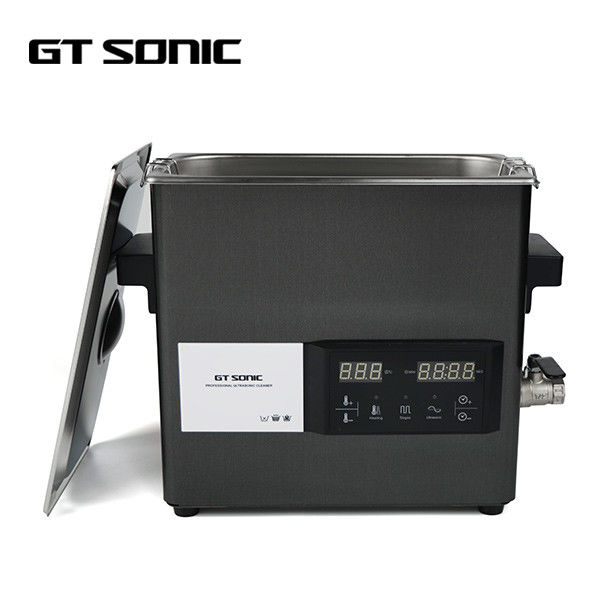
Brand Name GT SONIC
Model Number GT SONIC-ST13A/B
MOQ 1 pc
Price Negotiable
Packaging Details PE Foam + Wooden Box
Payment Terms Western Union, T/T, D/P, D/A, L/C
Where Can the ST13A/B Ultrasonic Engine Parts Cleaner Be Used?
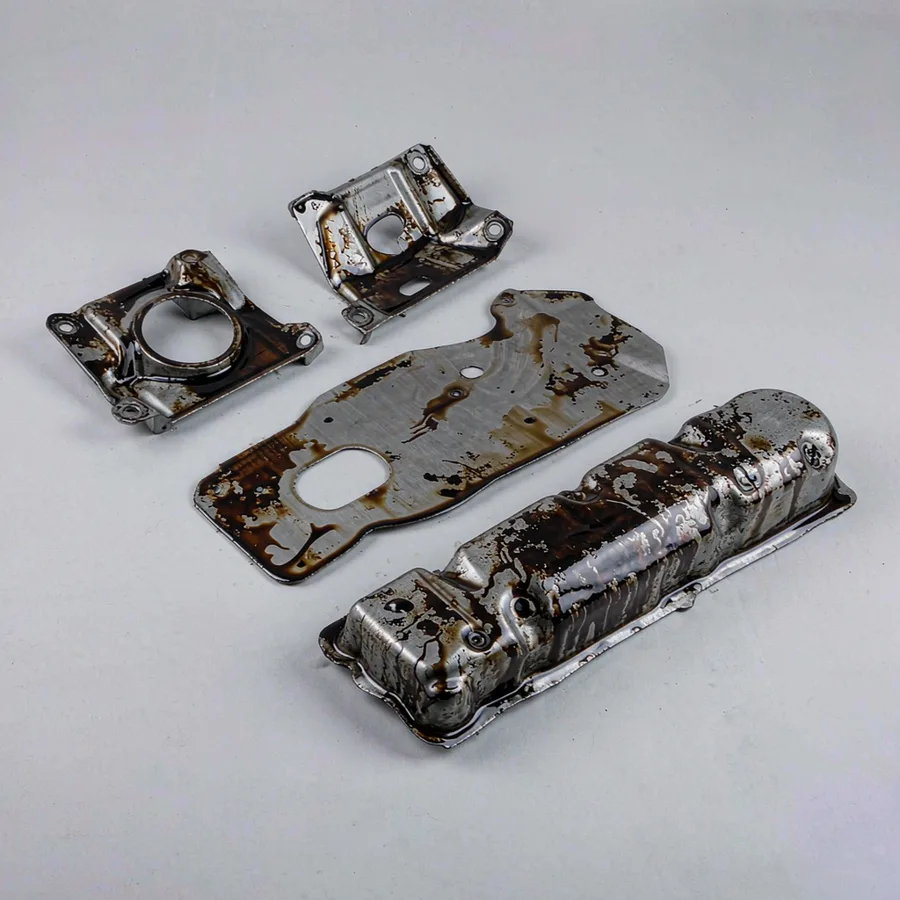
Engine Component Reconditioning

Engine Component Reconditioning

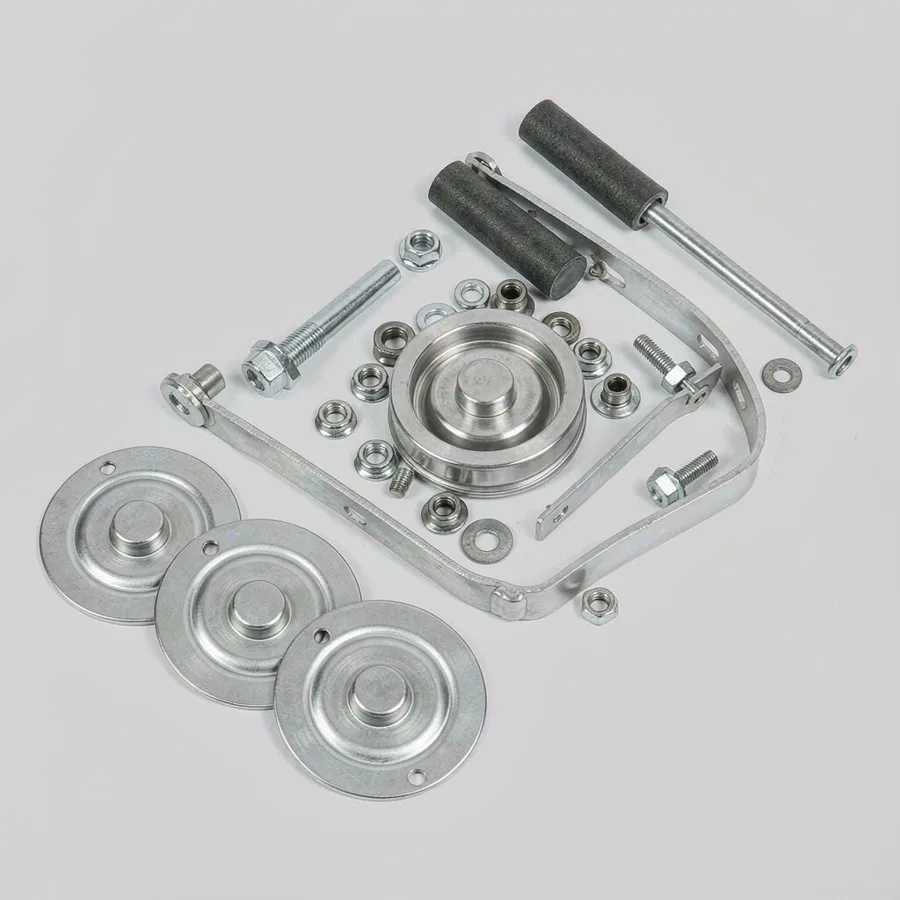
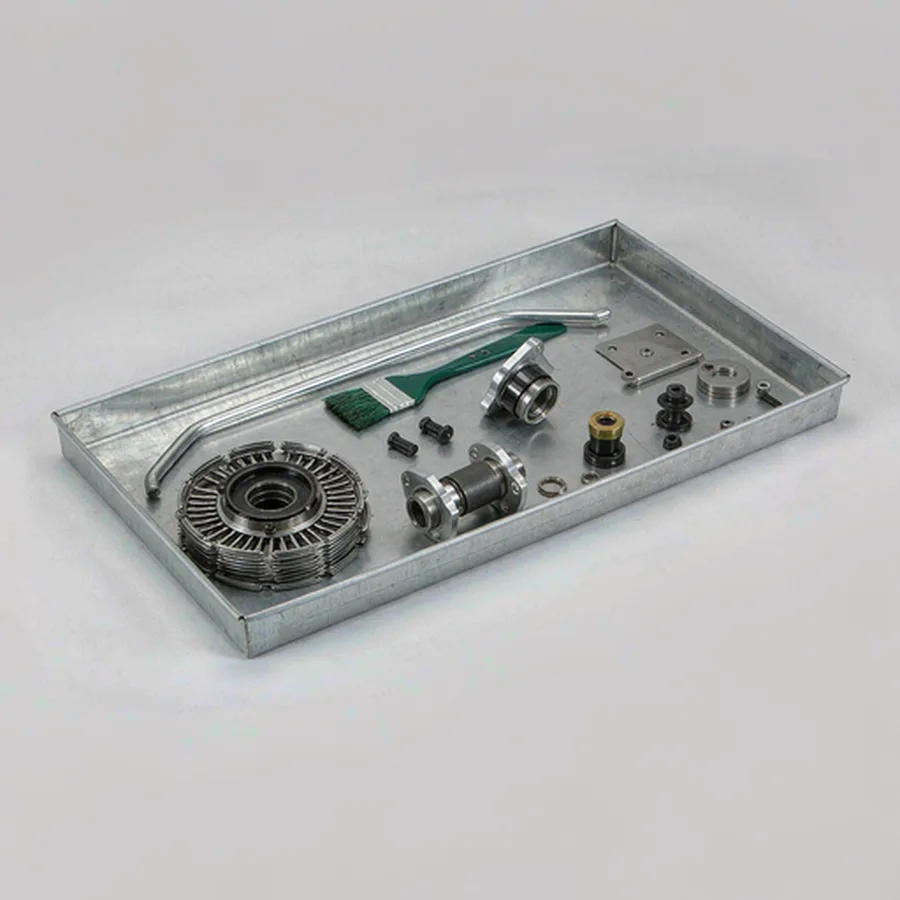
During an engine rebuild, dismantled metal components often carry a mixture of aged lubricants, oil sludge and deposits from prolonged operation. Removing loose contamination before inspection makes it easier to examine accessible surfaces. The 13L ST13A/B can be used for suitably sized metal covers, brackets and other removable engine hardware.

Pre-inspection cleaning
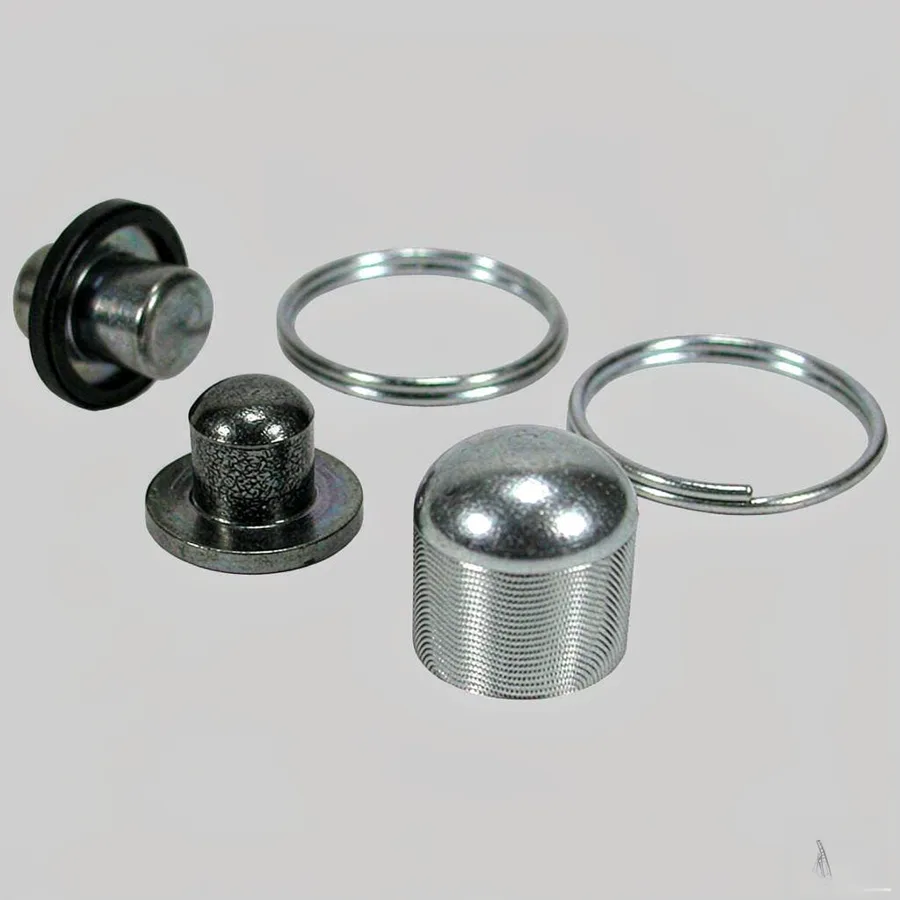
Cylinder Head Accessories and Small Fittings

Cylinder Head Accessories and Small Fittings

Engine repair may involve numerous small fittings removed from a cylinder head assembly. Threaded plugs, metal retaining pieces and approved removable hardware can retain deposits around grooves and contact surfaces. An ultrasonic bath can reach wetted recesses that are difficult to brush directly, following the relevant engine manufacturer’s service instructions.

Recess access
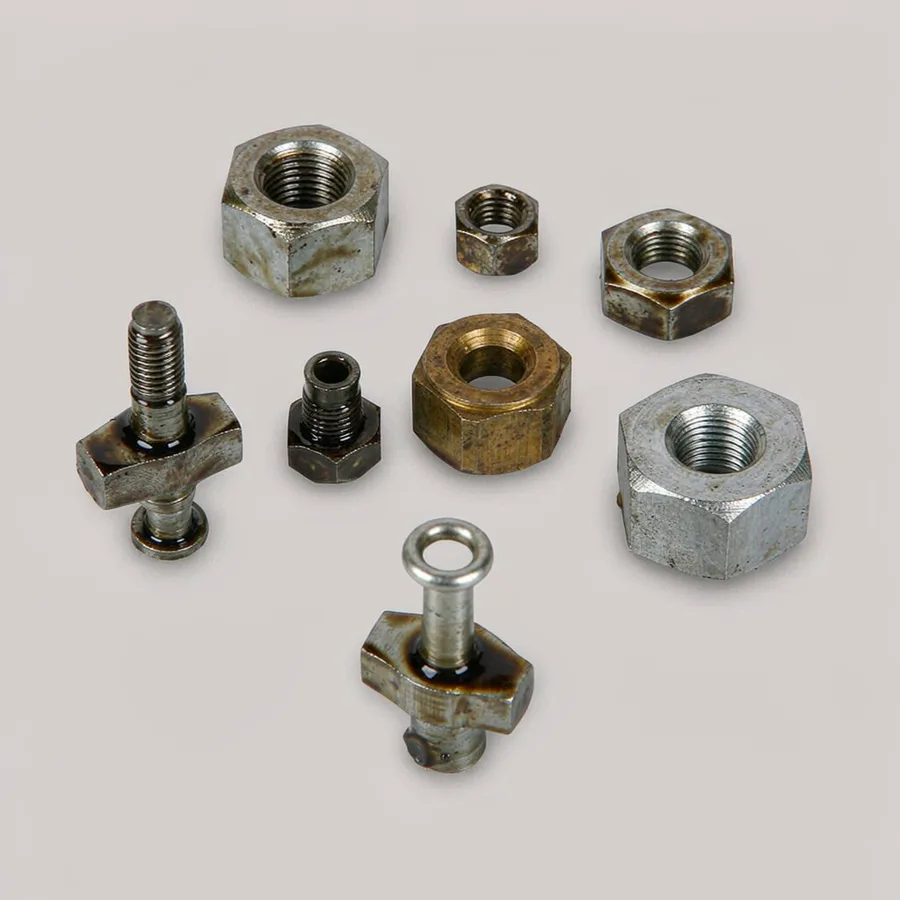
Engine Oil System Hardware

Engine Oil System Hardware

Lubricating oil leaves residues on removable metal fittings, connectors and other components within an engine’s oil system. Contamination trapped around threaded connections may remain after ordinary rinsing. Heated aqueous cleaning can assist with oil removal when the detergent is appropriate for the component material.

Oil residue removal
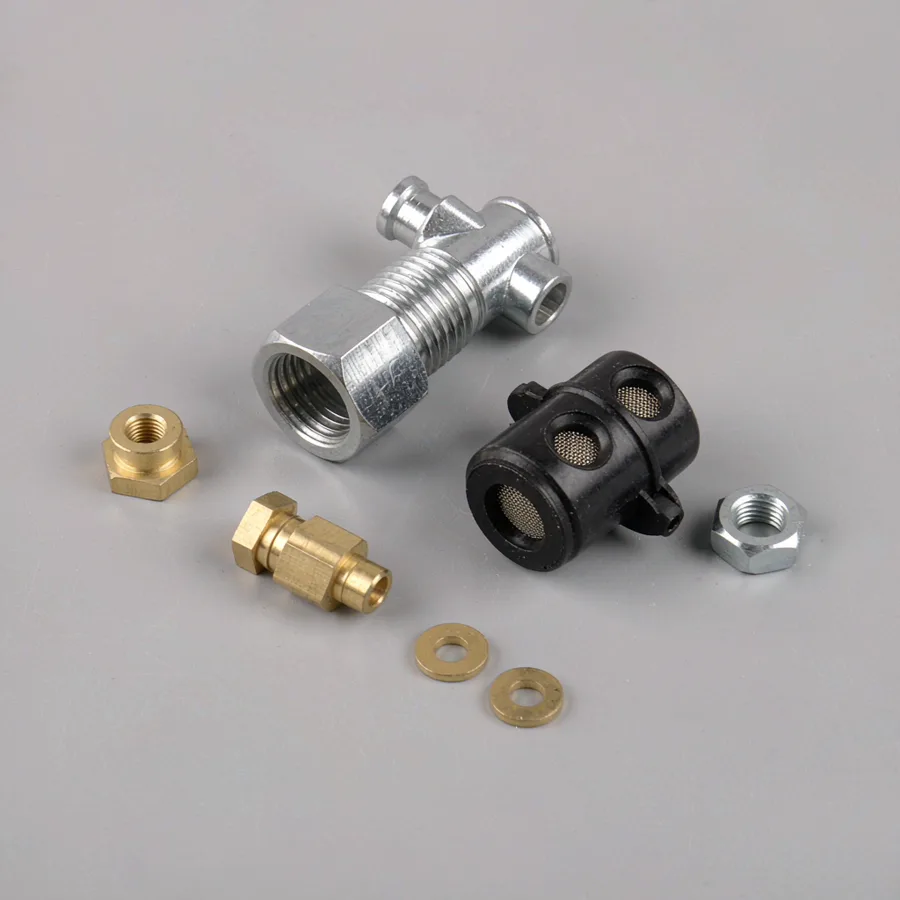
Fuel-System Metal Fittings

Fuel-System Metal Fittings

Some disassembled fuel-system fittings and metal components require cleaning before further examination. Deposits around accessible openings can be difficult to remove mechanically without contacting delicate surfaces. The cleaning bath does not test injector spray patterns, flow rates or electrical operation; complete fuel injectors follow their approved servicing procedure.

Detached hardware only
Motorcycle Engine Maintenance

Motorcycle Engine Maintenance

Motorcycle engine servicing often involves smaller removable hardware, covers and fittings. Their dimensions can make a 13L bath a practical option when cleaning is performed in short maintenance batches. Workpieces should fit comfortably within the tank and remain accessible to the cleaning liquid.

Batch servicing
Engine Repair Workshop Preparation

Engine Repair Workshop Preparation

Parts cleaning is often an intermediate stage between dismantling and mechanical inspection. A dedicated cleaning station helps technicians keep contaminated components away from clean assembly areas. For workshops handling modest quantities of suitable engine hardware, the ST13A/B combines ultrasonic cleaning, heating and adjustable power in one benchtop unit.

Dedicated cleaning station
Key Features of the ST13A/B Adjustable Power Ultrasonic Parts Cleaner

300W Power-Adjustable Ultrasonic Cleaning

A rated 300W output with 0–100% adjustment lets cleaning intensity be selected for the components being processed.

Variable Ultrasonic Output

Oil-coated steel fittings and components with more sensitive surfaces may require different operating conditions. The 0–100% adjustment provides a way to evaluate appropriate output during cleaning trials.

Direct Mechanical Control

A separate power control makes it possible to change the output setting without navigating a digital menu. Once suitable cleaning conditions have been established, technicians can refer to those settings for similar workpieces.

13L Reinforced SUS304 Tank

A 2mm-thick SUS304 stainless steel tank forms the main cleaning chamber with a practical capacity for engine parts.

300 × 240 × 180mm Internal Dimensions

The tank accommodates suitably sized fittings, brackets and small metal assemblies. Workpiece height, basket clearance and immersion requirements matter more than nominal volume alone when checking compatibility.

Heavy-Gauge Stainless Steel

The 2mm tank-wall specification provides a substantial chamber for repeated cleaning operations. Although the original description refers to acid resistance, the actual detergent must still be compatible with SUS304 and the parts being cleaned.

28kHz or 40kHz Frequency Options

The ST13A/B series is specified with 28kHz or 40kHz frequency options, giving buyers a choice of operating characteristics.

28kHz for Robust Metal Parts

Lower ultrasonic frequencies generally produce larger, more energetic cavitation events. This configuration may be considered for durable components carrying persistent deposits, subject to actual cleaning trials.

40kHz for Detailed Surfaces

The 40kHz option is commonly used for general component cleaning and may be appropriate for workpieces with finer surface features. The website identifies frequency options but does not establish automatic switching.

500W Heating and Extended Settings

Adjustable heating and timing ranges support defined cleaning procedures for engine hardware.

Adjustable Heating 20–80°C

The published specifications give a 500W heating capacity and a temperature range of 20–80°C. The selected temperature should reflect the detergent manufacturer’s instructions and the component’s material limits.

0–30-Minute Timer with 24-Hour Setting

A mechanical timer can be set for routine cleaning operations, and the product information also specifies a 24-hour operating option. This identifies a control setting rather than an independently verified continuous-duty rating; actual operating limits should follow the equipment instructions.

GT SONIC ST13A/B 13L Ultrasonic Cleaning Machine Specifications
Model
GT SONIC ST13A/B
Tank Capacity
13 L
Tank Material
2mm SUS304 Stainless Steel
Tank Dimensions
300 × 240 × 180 mm
Overall Dimensions
400 × 360 × 450 mm
Ultrasonic Frequency
28 kHz or 40 kHz
Ultrasonic Power
300 W
Power Adjustment
0 – 100%
Heating Power
500 W
Temperature Range
20 – 80 °C
Timer
0 – 30 Minutes / 24-Hour Setting
Control Type
Adjustable Mechanical Controls
Supplied Accessories
SUS304 Basket and Lid
Model
Tank Size (mm)
Unit Size (mm)
Capacity (L)
Ultrasonic Power (W)
Frequency (kHz)
Heating Power (W)
Heating Temp. (°C)
ST13A/B
300 × 240 × 180
400 × 360 × 450
13
300
28/40
500
20–80
ST36A/B
510 × 300 × 250
570 × 360 × 450
36
600
28/40
800
20–80

Note — Heating power is listed as 500W / 0.5kW on the product page. Frequency values are reproduced from the published ST-series table and should not be interpreted as confirmation of automatic dual-frequency switching.

How to Use the GT SONIC ST13A/B 13L Ultrasonic Engine Parts Cleaner
3-Step Use Guide

Three-Step Use Guide

1. Fill — Fill the 13L SUS304 tank to the appropriate level with water or a detergent approved for the workpiece, and keep the electrical body and controls dry.

2. Place and set — Dismantle parts per the service instructions and remove incompatible seals or electronics, place them in the basket, then set power (0–100%), temperature (20–80°C) and time.

3. Run and remove — Start the cycle; when it ends, lift out the parts, rinse if needed, dry and inspect them, then empty and wipe the tank after use.

What Can It Clean?

What Can It Clean?

Engine covers Brackets Threaded plugs Oil system fittings Fuel-system hardware Motorcycle parts

Suitability depends on the material, coatings, adhesives and the detergent used; check compatibility before immersion.

What to Note?

Operation Tips

Follow the engine manufacturer’s service instructions Remove incompatible seals and sensitive electronics first Never pour flammable solvents into the heated tank Hard carbon buildup may need pretreatment Avoid overloading; leave space for liquid circulation Confirm operating limits before extended cycles
Get Best Price
Frequently Asked Questions About the 13L Heated Ultrasonic Engine Cleaner
Can an ultrasonic cleaner for engine parts remove carbon deposits?
expand

Ultrasonic cleaning can help dislodge loose contamination and certain oil-based deposits from accessible engine-component surfaces. Hard carbon buildup, however, may be strongly bonded and require pretreatment, a specially formulated detergent or another cleaning method. Results depend on the deposit, component material and the cleaning procedure.

How should engine components be prepared before ultrasonic parts cleaning?
expand

Begin by dismantling the components according to the relevant service instructions. Remove incompatible seals, sensitive electronics and parts that must not be immersed. Heavy loose contamination can be removed beforehand, followed by cleaning with an appropriate aqueous solution. After ultrasonic treatment, rinsing, drying and inspection may be required before the parts return to service.

Is a 13L ultrasonic cleaner suitable for motorcycle engine parts?
expand

It may be suitable for removable motorcycle-engine hardware that fits within the 300 × 240 × 180mm chamber. Brackets, metal fittings and certain disassembled components are examples worth assessing. Large engine cases and complete assemblies may exceed the available space, and basket clearance and the required liquid level should also be considered.

What temperature should be used in a heated ultrasonic cleaning tank?
expand

The machine’s published operating range is 20–80°C. The original GT SONIC FAQ suggests 40–60°C as a general cleaning-temperature reference, but that is not an appropriate setting for every component or detergent. A suitable temperature must be selected with attention to oil type, material compatibility and the cleaning-agent instructions.

Should I choose a 28kHz or 40kHz ultrasonic cleaner for engine hardware?
expand

For suitable robust metal parts with persistent contamination, 28kHz may be worth evaluating because of its more energetic cavitation characteristics. A 40kHz configuration may be preferred for general cleaning and some components with smaller surface features. The ST13A/B is offered with published frequency options, so the required version should be specified when ordering.

What information should a workshop provide when requesting an ultrasonic parts cleaner quotation?
expand

The most useful details are the dimensions of the largest engine component, its material, the type of deposits and the expected cleaning quantity. Workshop buyers should also specify the destination-market power supply and intended operating schedule. These details help GT SONIC discuss the ST13A/B configuration, pricing, packaging and delivery requirements.

Get a Quote for GT SONIC ST13A/B
Related Products
New Condition Ultrasonic Parts Washer Lab Equipment GT SONIC 6L 40kHz 300 Watt

New Condition Ultrasonic Parts Washer Lab Equipment GT SONIC 6L 40kHz 300 Watt

View Details
Laboratory Ultrasonic Parts Cleaner Bath 9L 200W 40KHz Electric Fuel 1 Year Warranty

Laboratory Ultrasonic Parts Cleaner Bath 9L 200W 40KHz Electric Fuel 1 Year Warranty

View Details
40KHz 6L Digital Control Parts Ultrasonic Cleaner , Heated Ultrasonic Washer 150W

40KHz 6L Digital Control Parts Ultrasonic Cleaner , Heated Ultrasonic Washer 150W

View Details
Laboratory Ultrasonic Engine Cleaner ABS SUS304 Material 6L 45/65kHz Low Noise

Laboratory Ultrasonic Engine Cleaner ABS SUS304 Material 6L 45/65kHz Low Noise

View Details
6L Heating Manual Ultrasonic Cleaner Power Adjustable 40kHz 150W 0-30 Mins Timer

6L Heating Manual Ultrasonic Cleaner Power Adjustable 40kHz 150W 0-30 Mins Timer

View Details
Double Power Heated Ultrasonic Parts Cleaner 3L Volume With 0-30 Mins Timer

Double Power Heated Ultrasonic Parts Cleaner 3L Volume With 0-30 Mins Timer

View Details
Titaninum Parts Ultrasonic Cleaner , GT SONIC S3 Ultrasonic Brass Cleaner 220v

Titaninum Parts Ultrasonic Cleaner , GT SONIC S3 Ultrasonic Brass Cleaner 220v

View Details
Contact Now